D Major series — 18 Paintings by Arnaud Quercy
ART-SER0002
Works for sale
No work matches these filters.
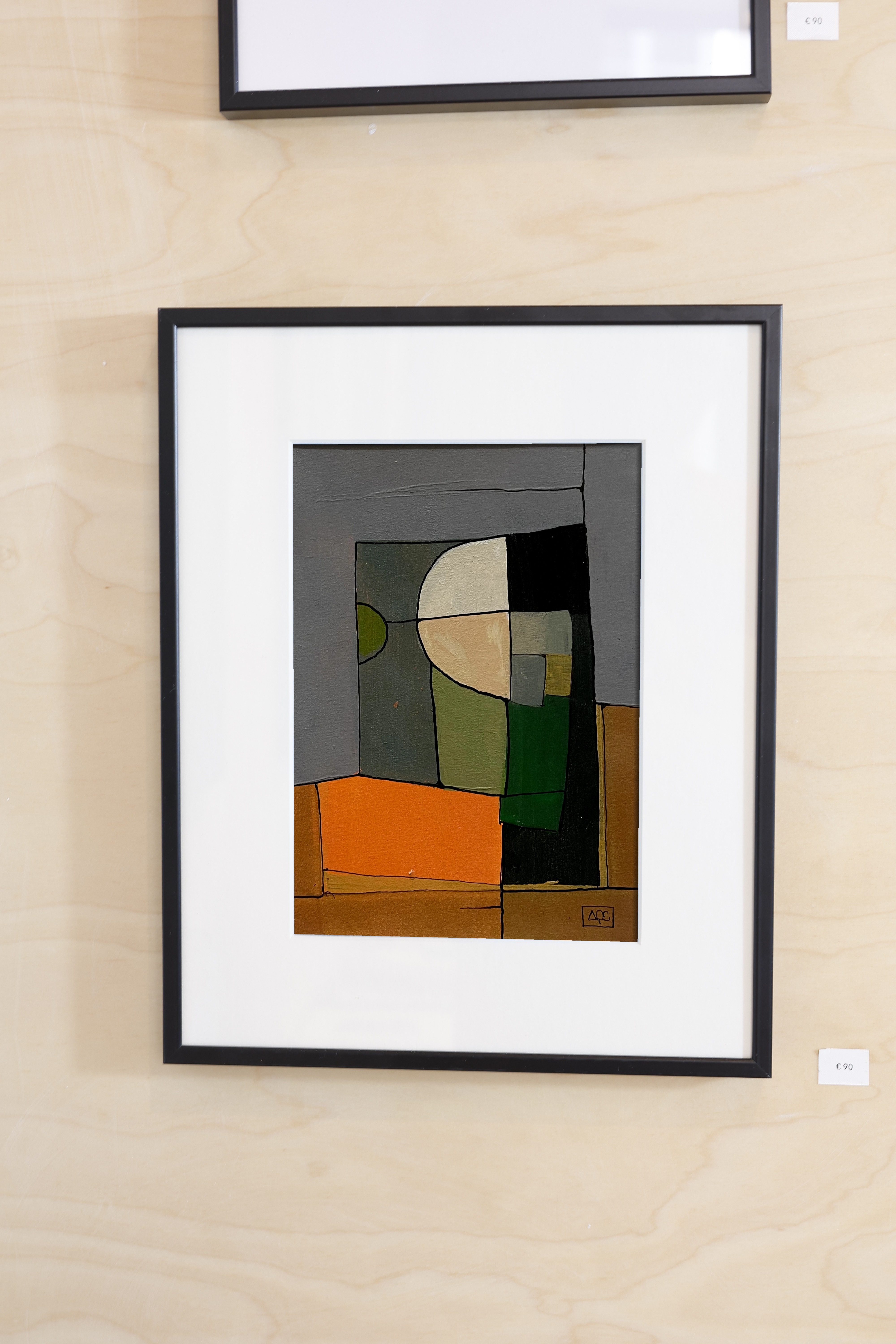
D Major is the key of ceremony and open air — a triad built on D, F-sharp, and A, its intervals bright and stable, its history bound to the violin and the trumpet. Beethoven chose it for his Violin Concerto, Brahms for his own; both composers heard in this key a quality of spacious warmth, the harmony singing without strain across a wide register. In Arnaud Quercy’s harmonic-chromatic practice, D Major carries that same breadth: a chord whose tones translate into a palette of harvest colors anchored by a single cool note.
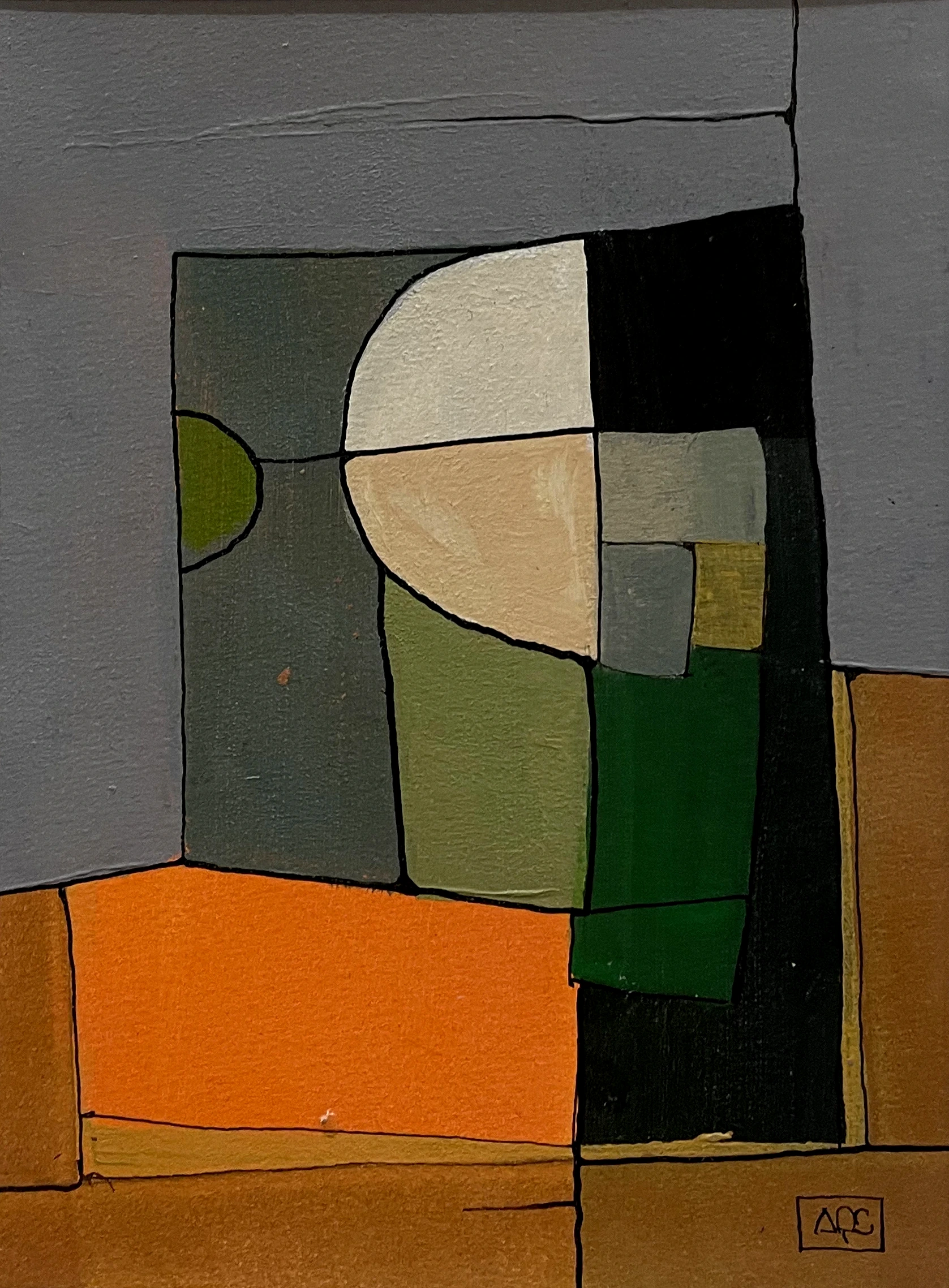
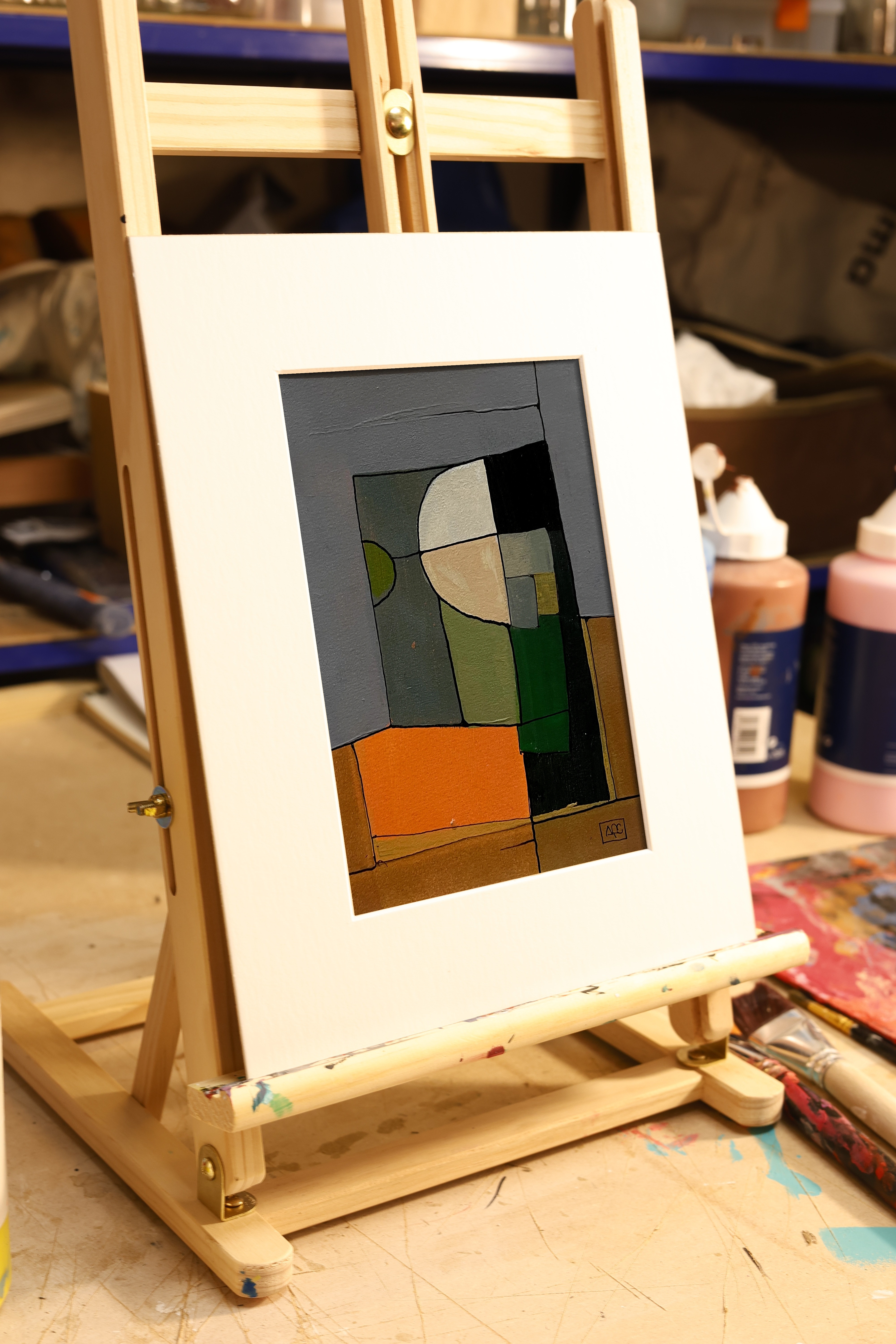
Through harmonic-chromatic, the root D appears as orange — deep and warm, darkening toward black in the lowest octaves and brightening as it climbs. The fifth, A, produces a yellow-orange close in temperature to the root, the two tones forming a warm field that dominates the canvas. Between them sits F-sharp, the major third, whose harmonic-chromatic color is a cool seagreen — the defining accent of the series, a leaf-green thread woven through an otherwise golden palette. In the high register, these colors dissolve toward near-white; in the bass, they compress into darkness. The temperature is warm but not uniform, the third’s cool green acting as a chromatic counterweight.
Sixteen piano études explore this chord across formats ranging from small works on paper to a one-metre linen canvas. The series favors descending waltzes — phrases that open in the upper register and fall in triple time toward the bass — though arches in common time appear throughout. Tempi range from Lent to a single Animé marking; dynamics stay within piano and mezzo-piano, the series speaking softly as a rule. Most études contain six notes; the densest hold eight. Foreign tones appear in seven of the sixteen works: G-sharp brings blue, A-sharp brings violet, D-sharp a blue-violet, and one étude introduces both F-natural and G-sharp in sequence. "The étude cannot confirm whether this chord is major or minor," Quercy writes of Variation 4, the one work that omits the third entirely — a canvas of pure orange without its seagreen signature.
Variation 4 is also the largest work in the series: acrylic on linen, one hundred centimetres square, its six notes tracing root and fifth alone across five octaves. At the opposite extreme, Variation 12 is the only étude that does not descend — a watercolor on paper played Animé at 88, its five notes climbing from D1 to F-sharp 6 and remaining there, "a gathering phrase that never resolves." Between these poles, Variation 6 opens at D0, the sub-bass threshold where pitch becomes vibration, its near-inaudible fundamental anchoring a canvas that rises through seven notes to a blue G-sharp accent near the peak.
Across the collection, the palette reads as autumn seen from different distances. The bass zones are dark — orange compressed toward black wherever D1 or D0 appears — while the upper registers open into warm yellow-orange and pale seagreen. Cool accents arrive as foreign tones: blue at G-sharp, violet at A-sharp, blue-violet at D-sharp, each a small temperature shift against the prevailing warmth. The repetition of the same three chord tones under different registrations produces a visual rhythm of familiar colors in unfamiliar proportions — the seagreen of F-sharp sometimes dominant, sometimes absent, sometimes dissolved to near-white at the keyboard’s highest octave.
What emerges from sixteen études on a single major triad is the depth hidden in apparent simplicity. D Major is among the most stable harmonies in Western music, yet Quercy’s systematic approach reveals how much its character shifts when the third disappears, when the register drops below audibility, when an ascending phrase refuses to return. These works now belong to collections from Paris to Istanbul to Lisbon — the chord traveling as the paintings travel, its warmth legible in each new context. D Major, the key Beethoven trusted with his most lyrical concerto, proves equally generous under harmonic-chromatic translation: a harmony broad enough to sustain sixteen distinct investigations and still have room.
Sold works
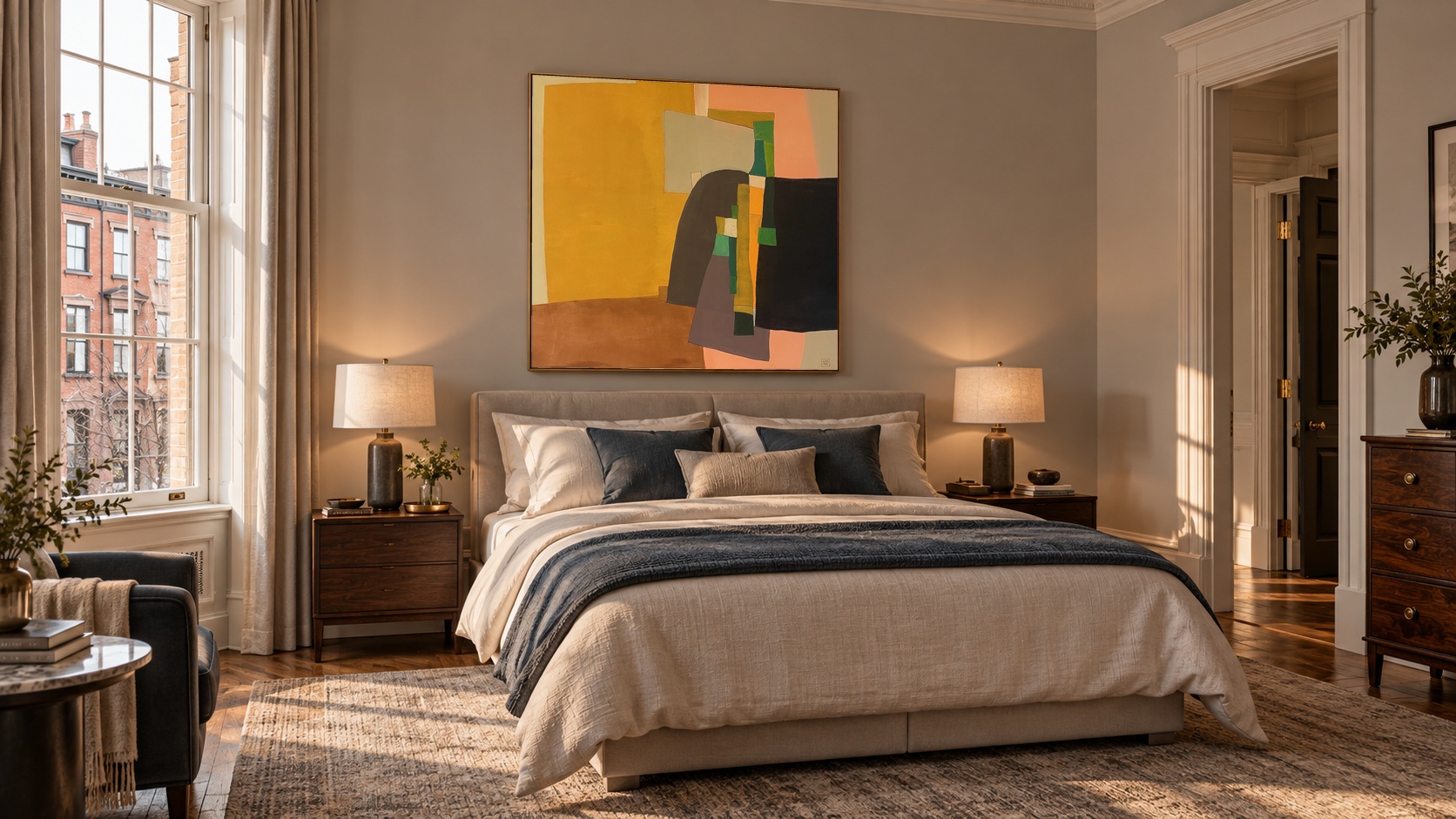
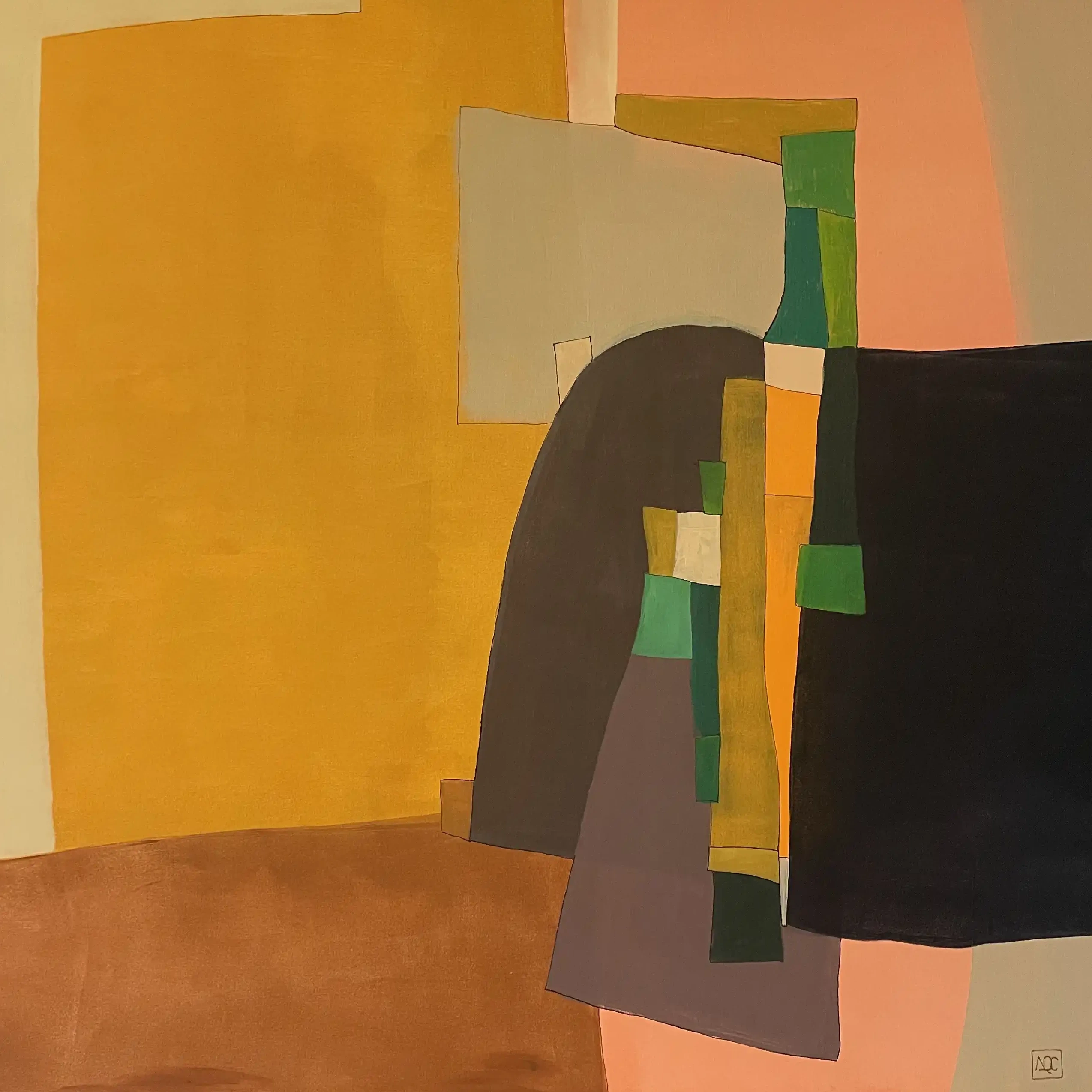
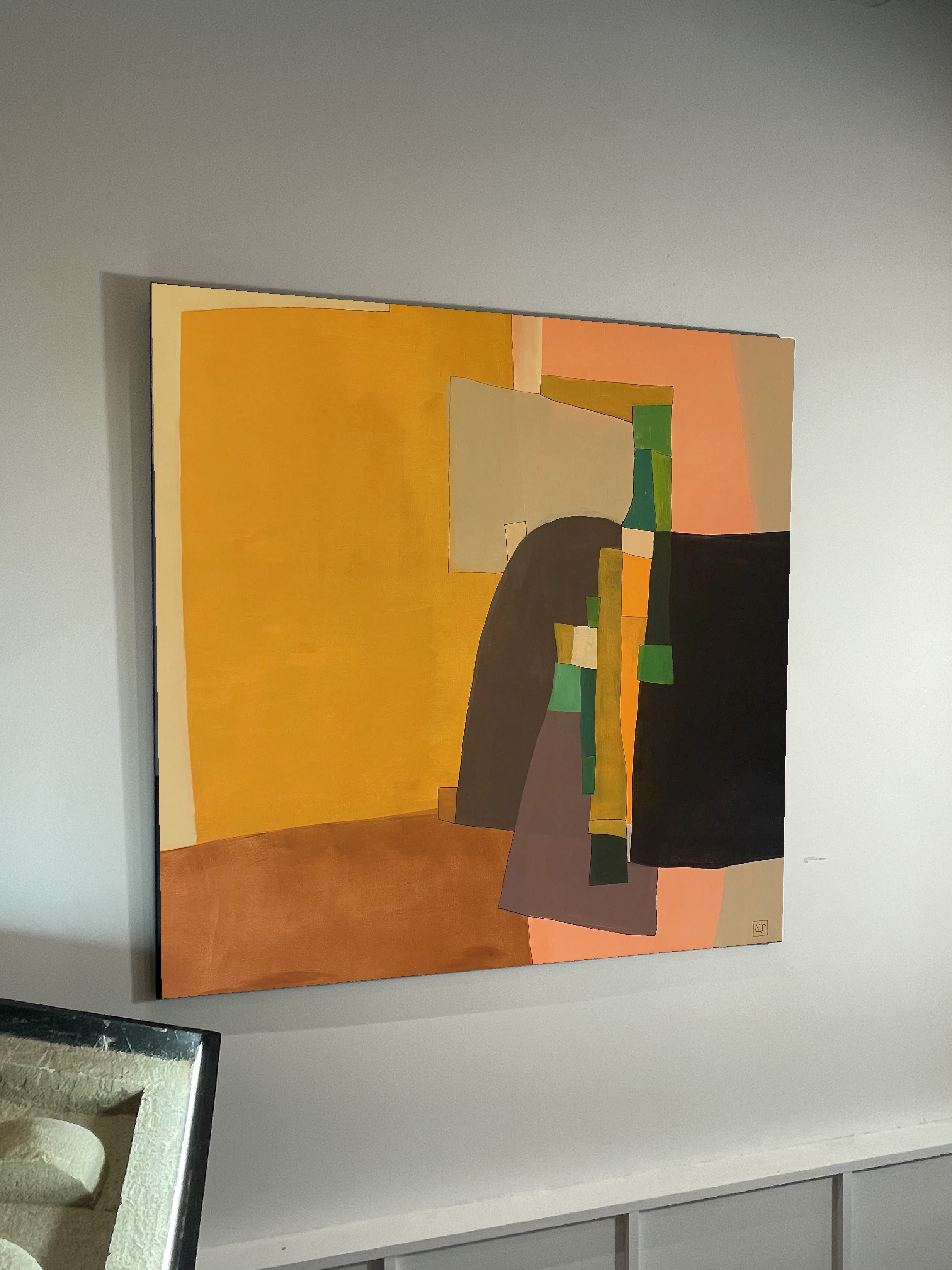 D Major - Research on Harmony - Variation 4Acrylic · 100 × 100 cmSold · USA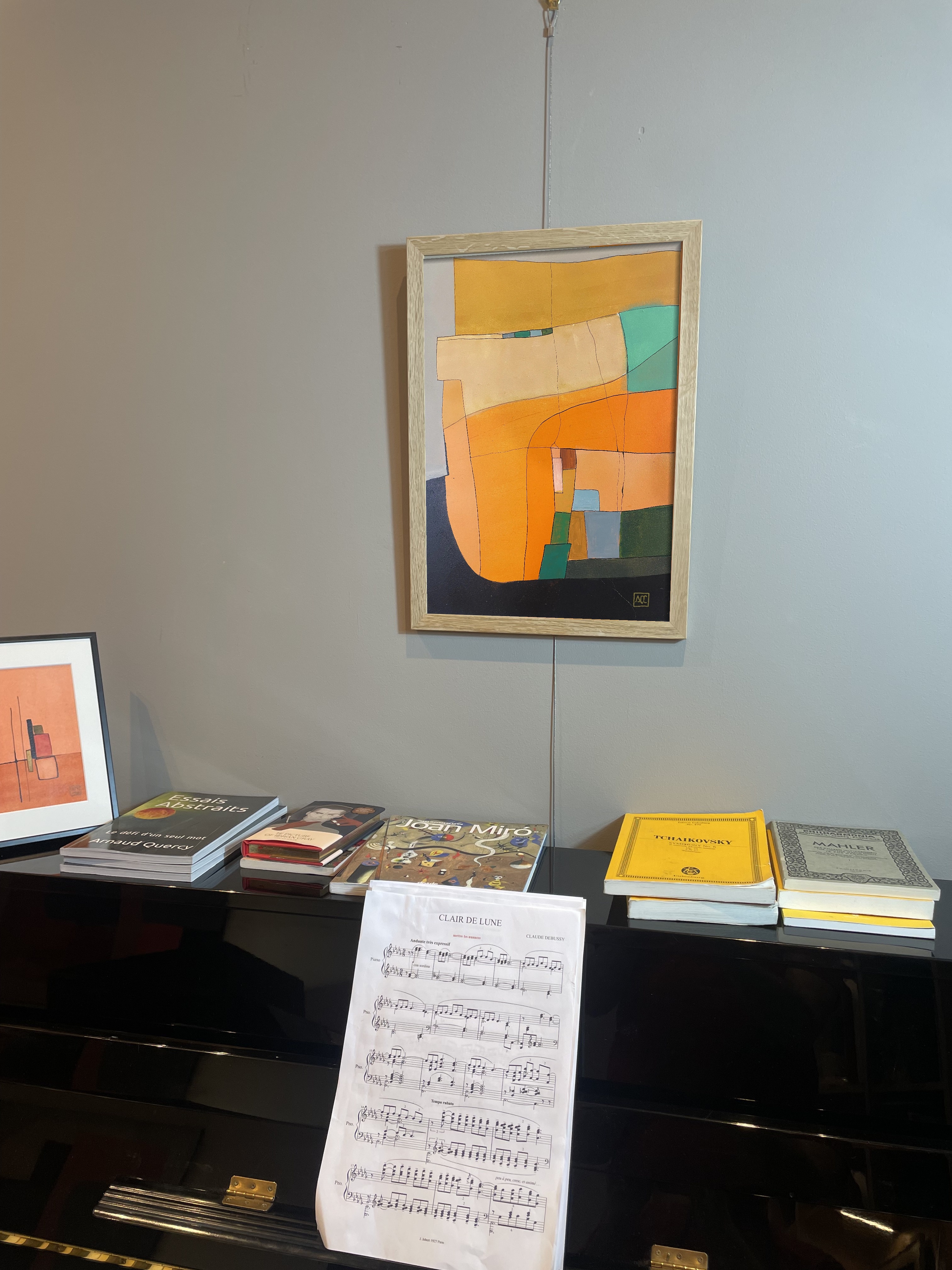
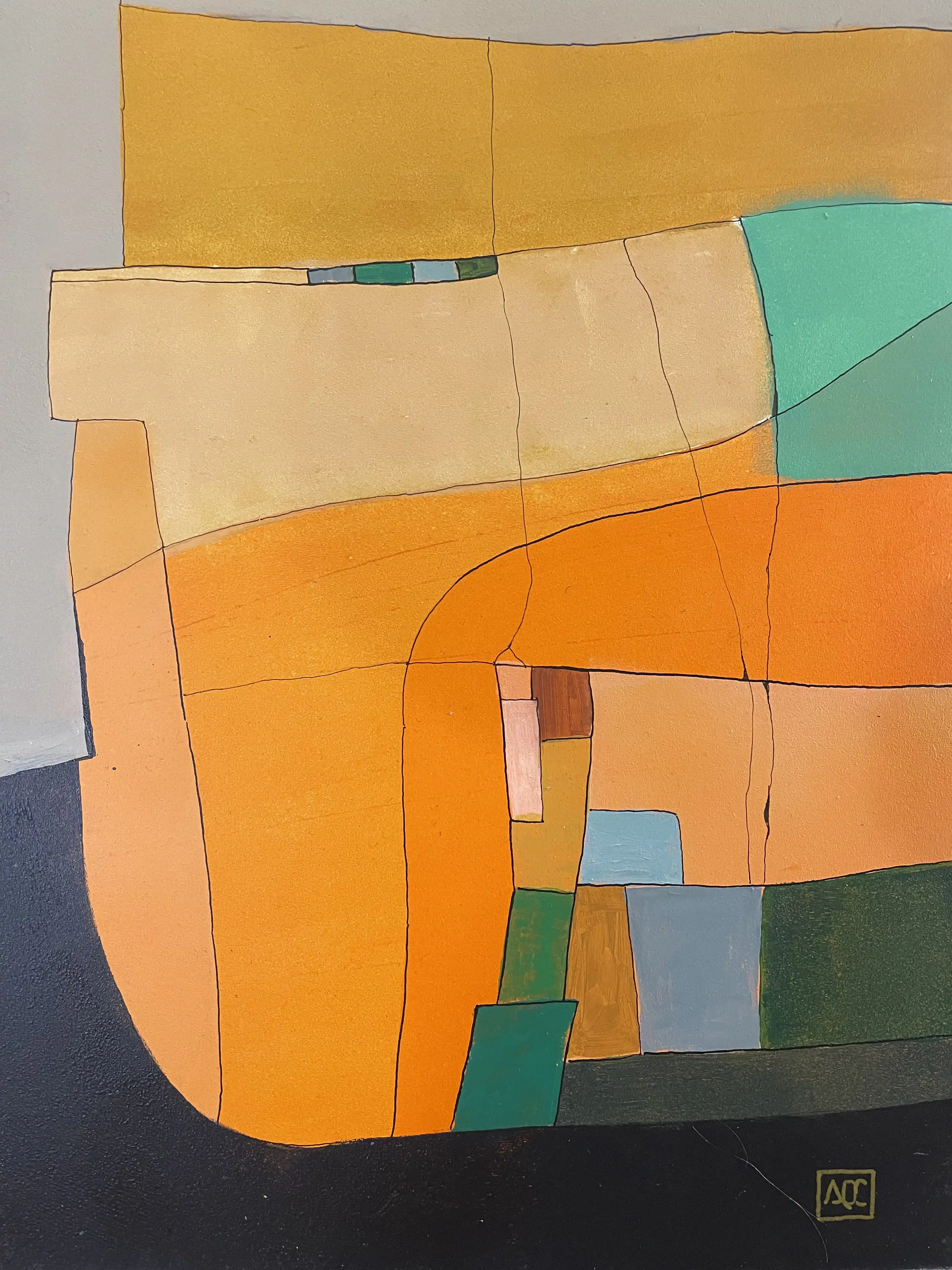
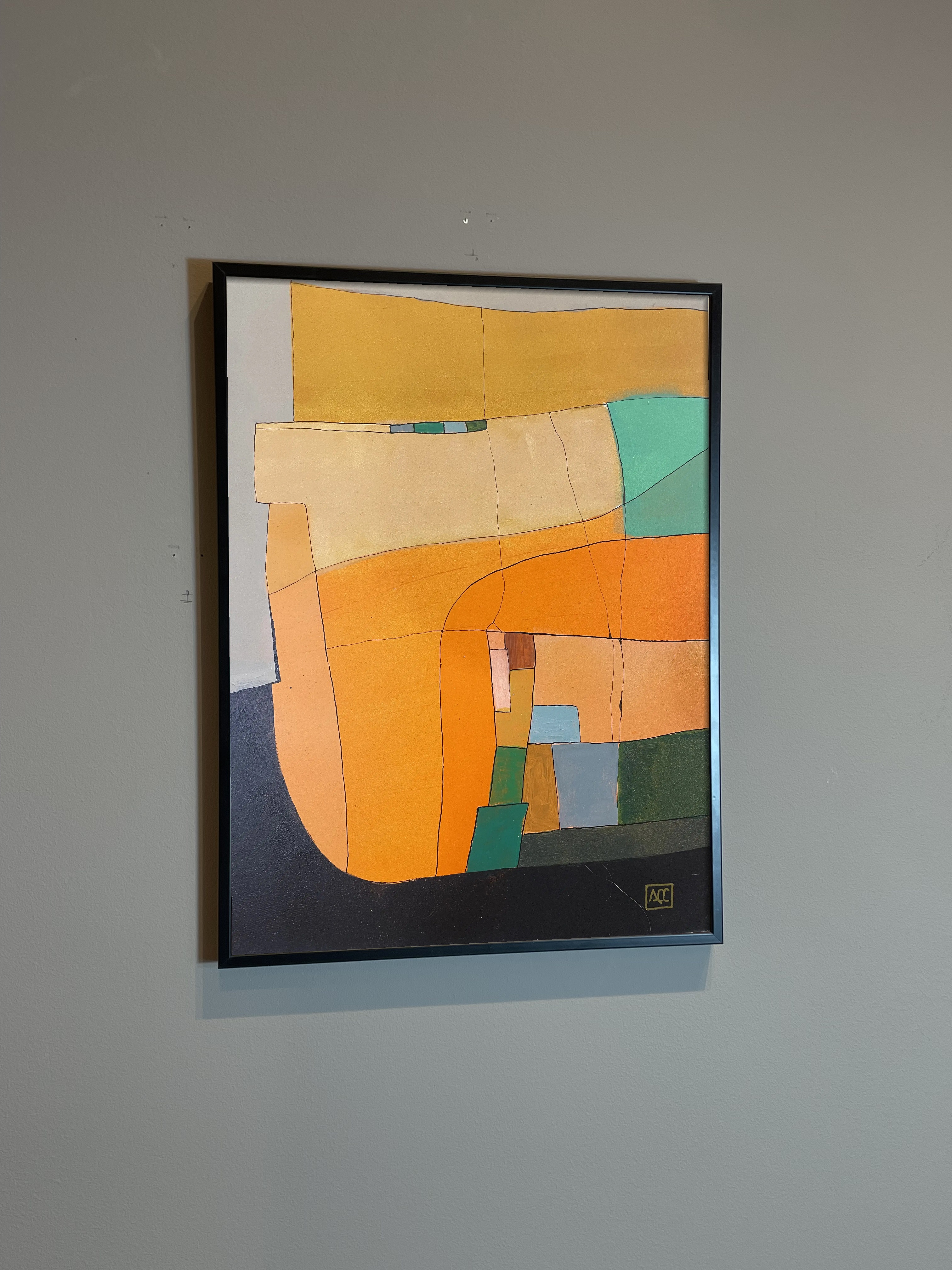 D Major - Research on Harmony - Variation 5Acrylic · 42 × 30 cmSold · USA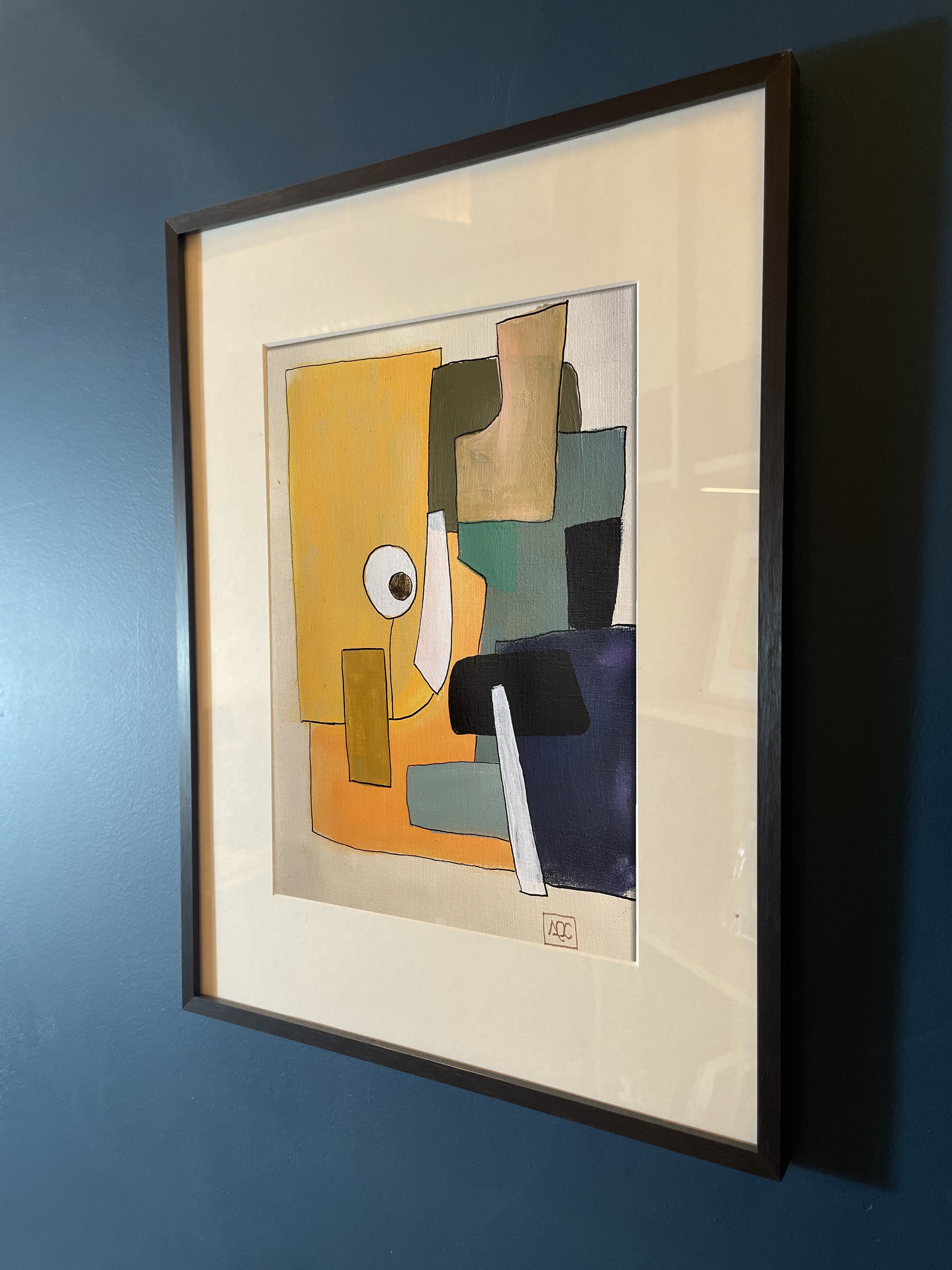
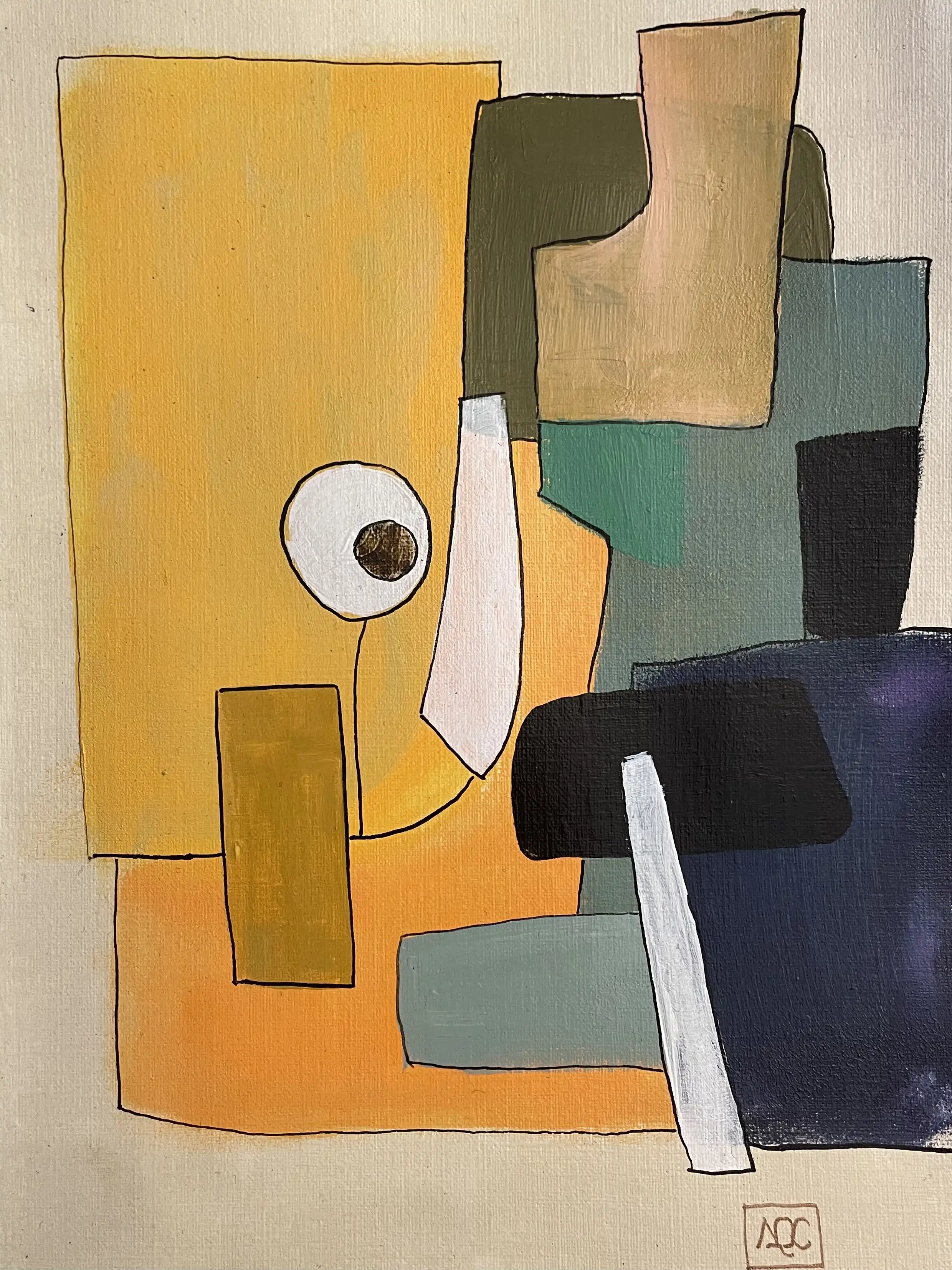
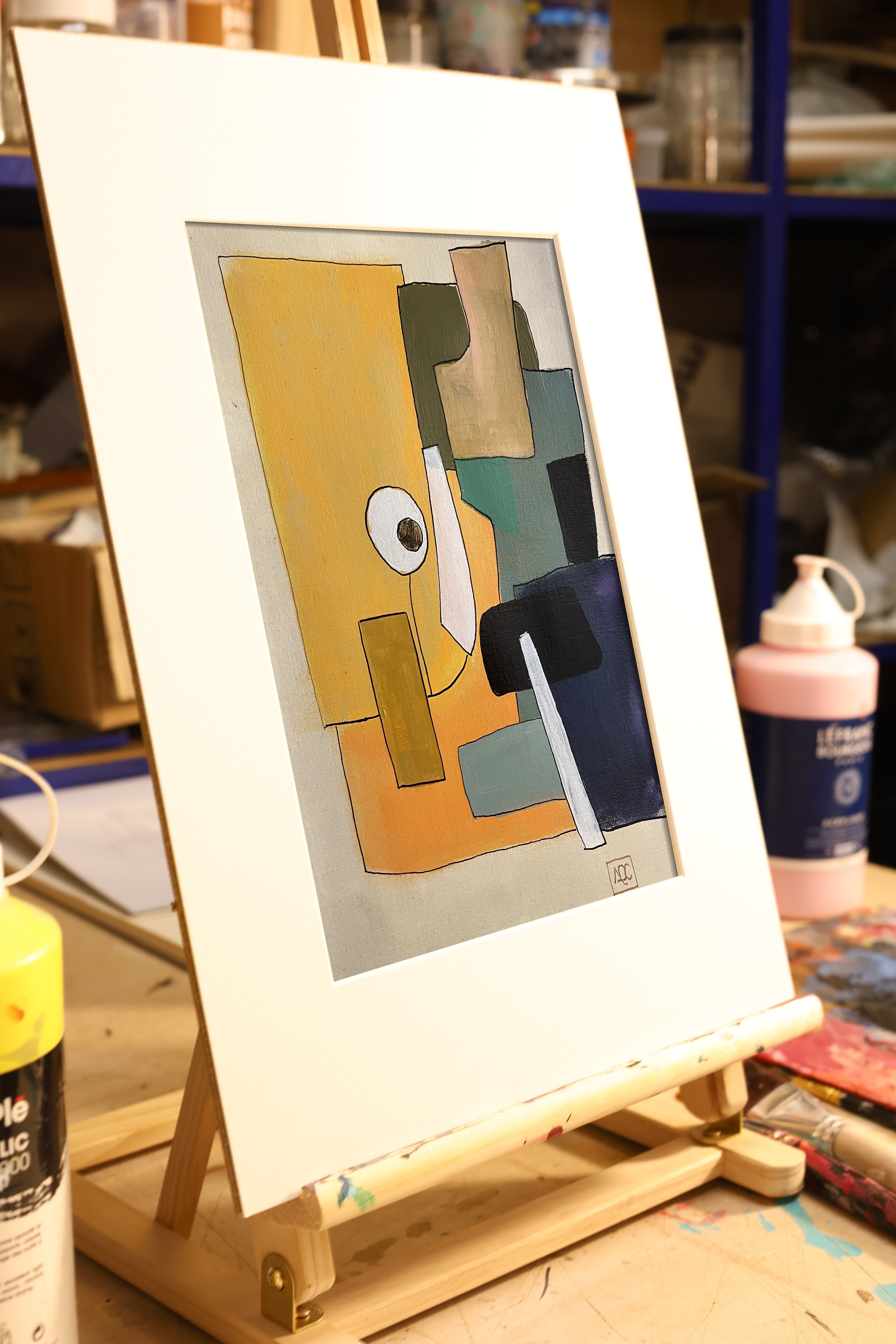 D Major - Research on Harmony - Variation 1Acrylic · 30 × 21 cmSold · Istanbul, Turkey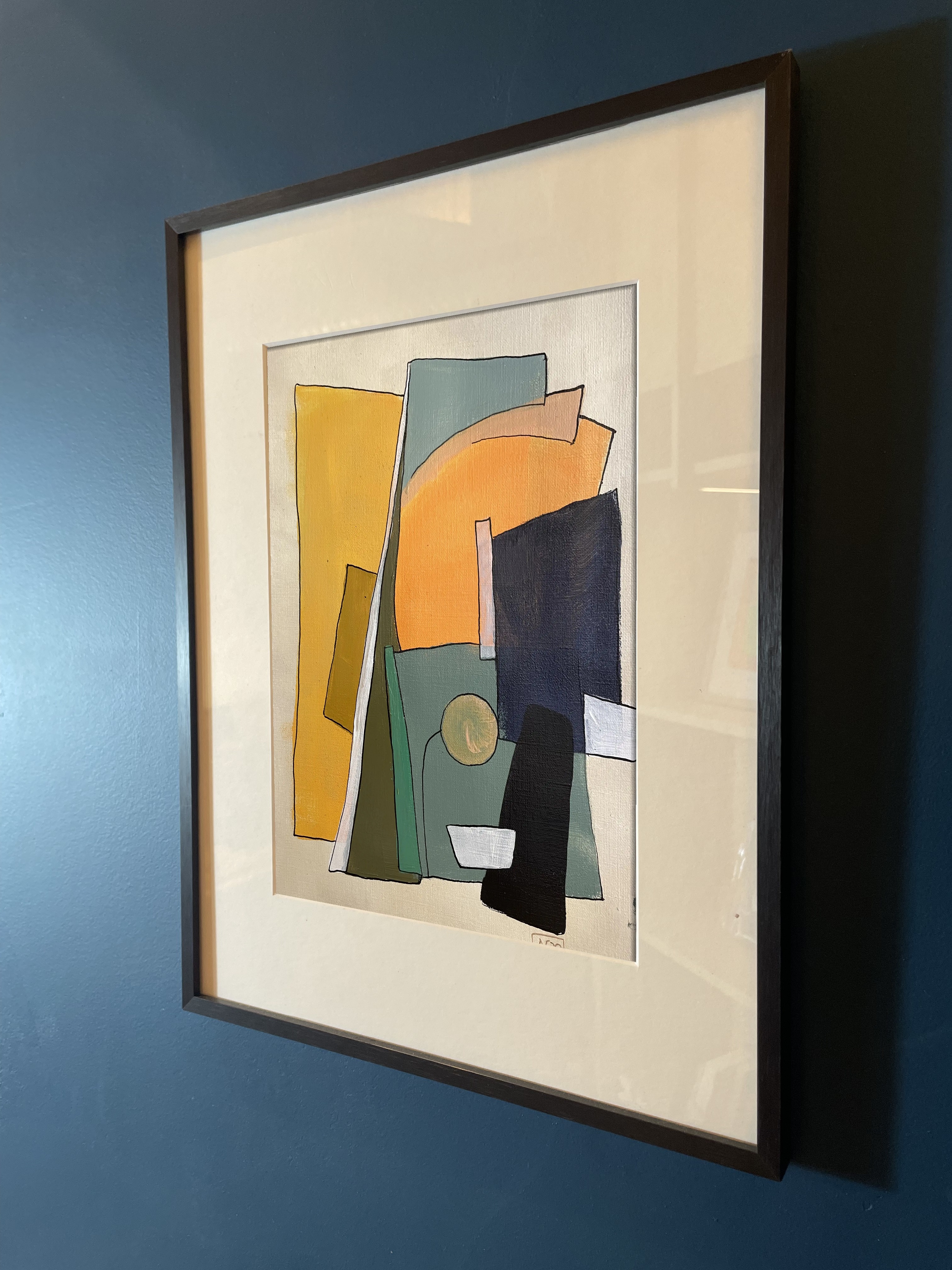
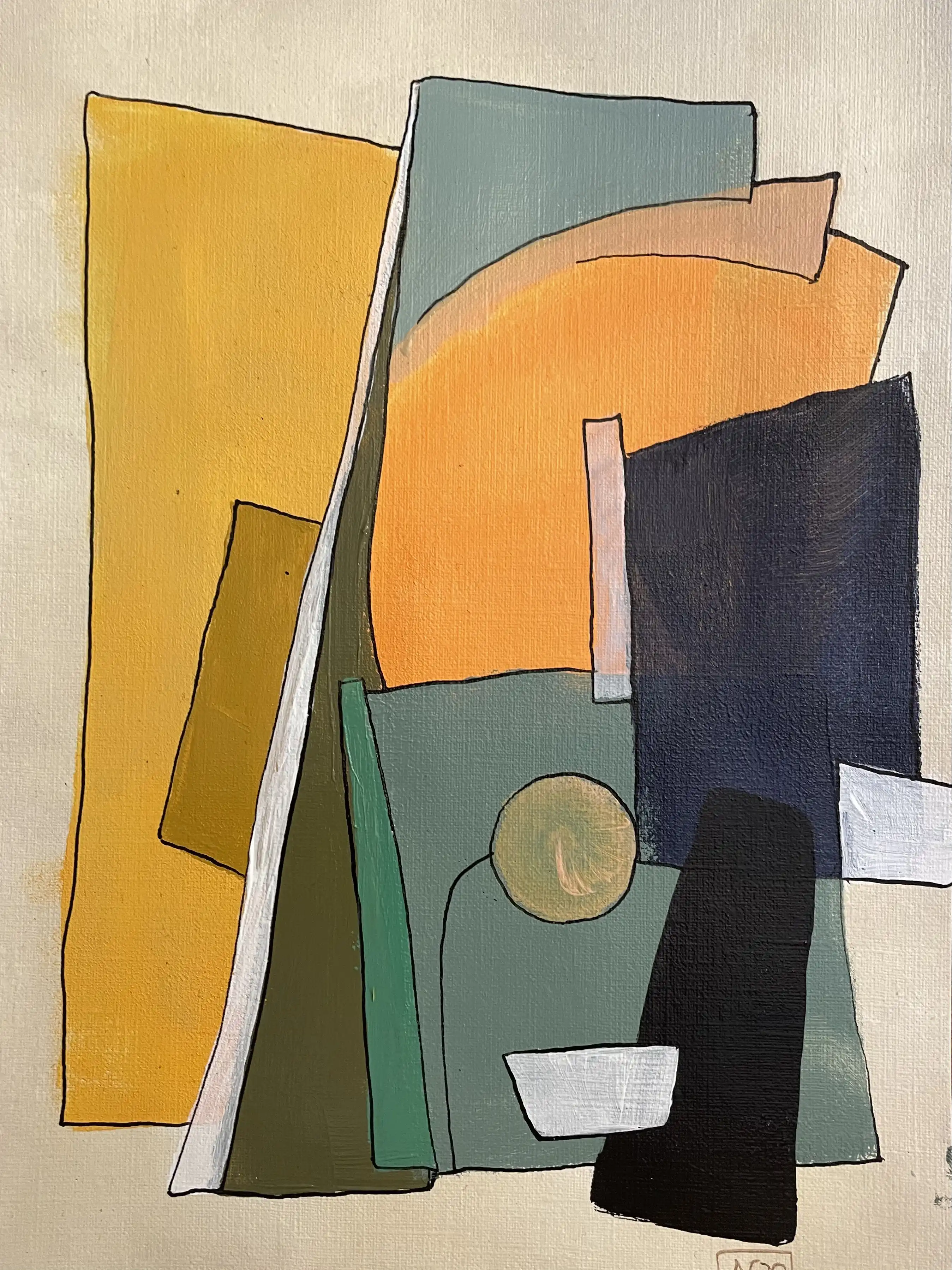
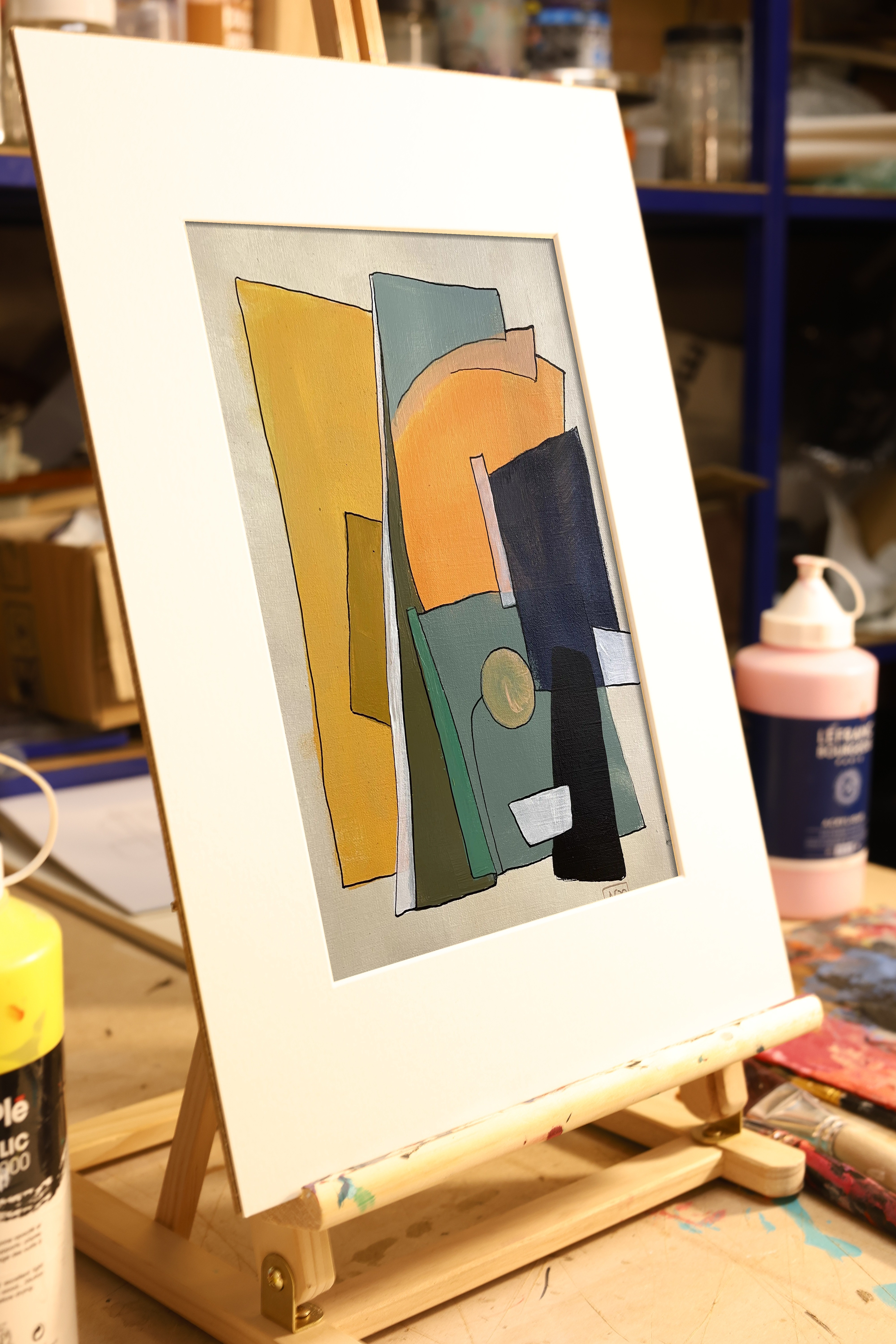 D Major - Research on Harmony - Variation 2Acrylic · 30 × 21 cmSold · France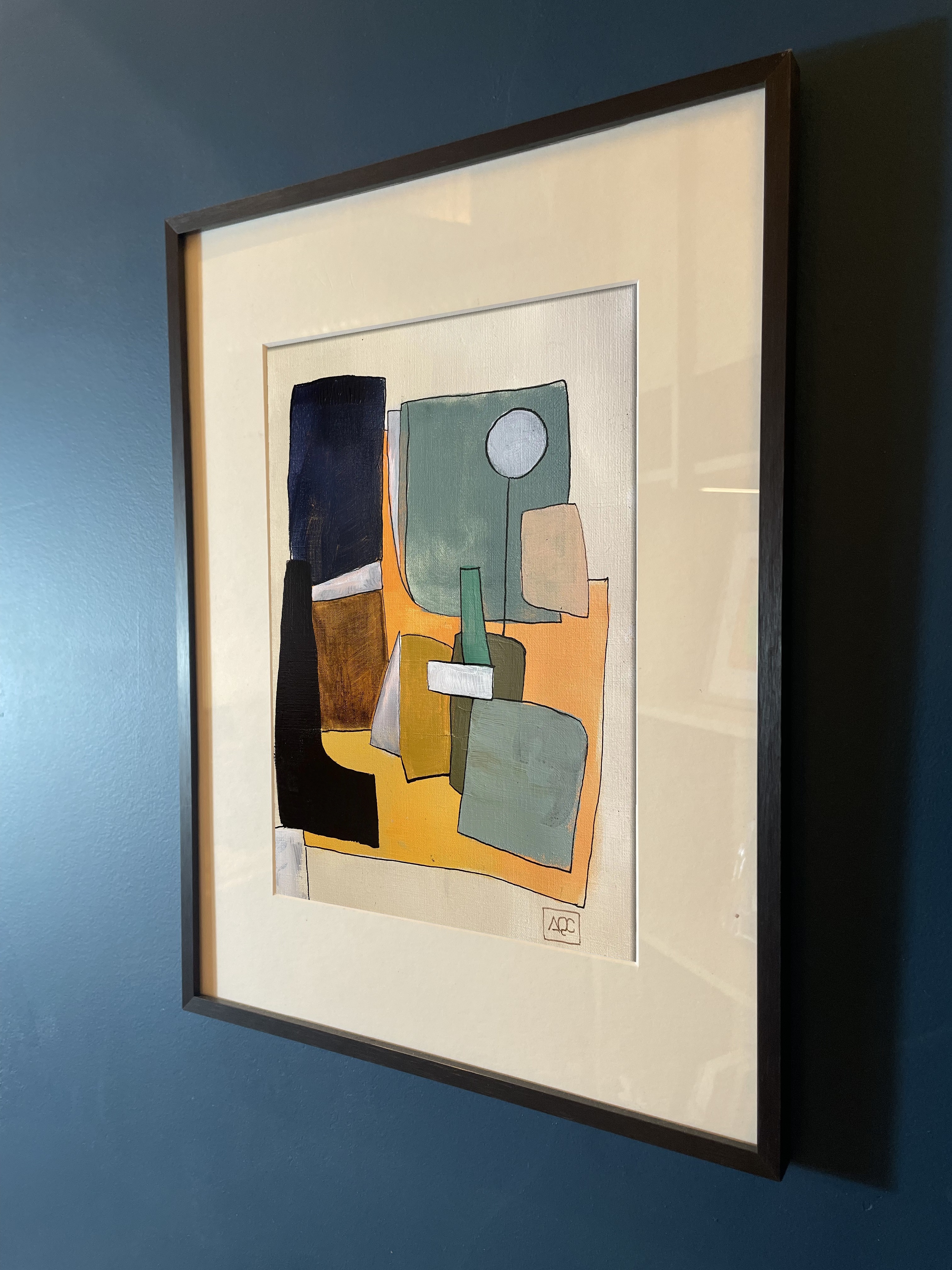
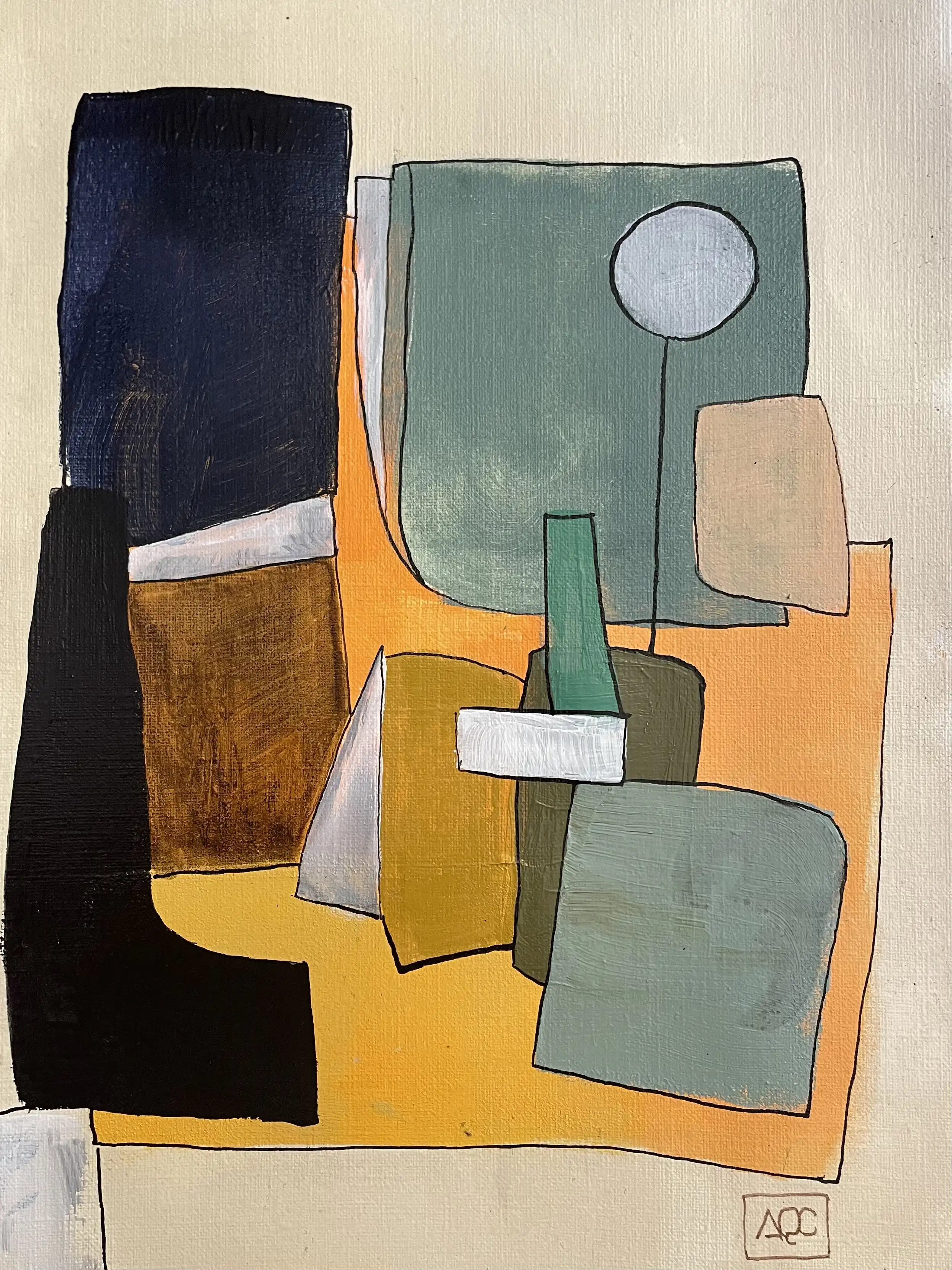
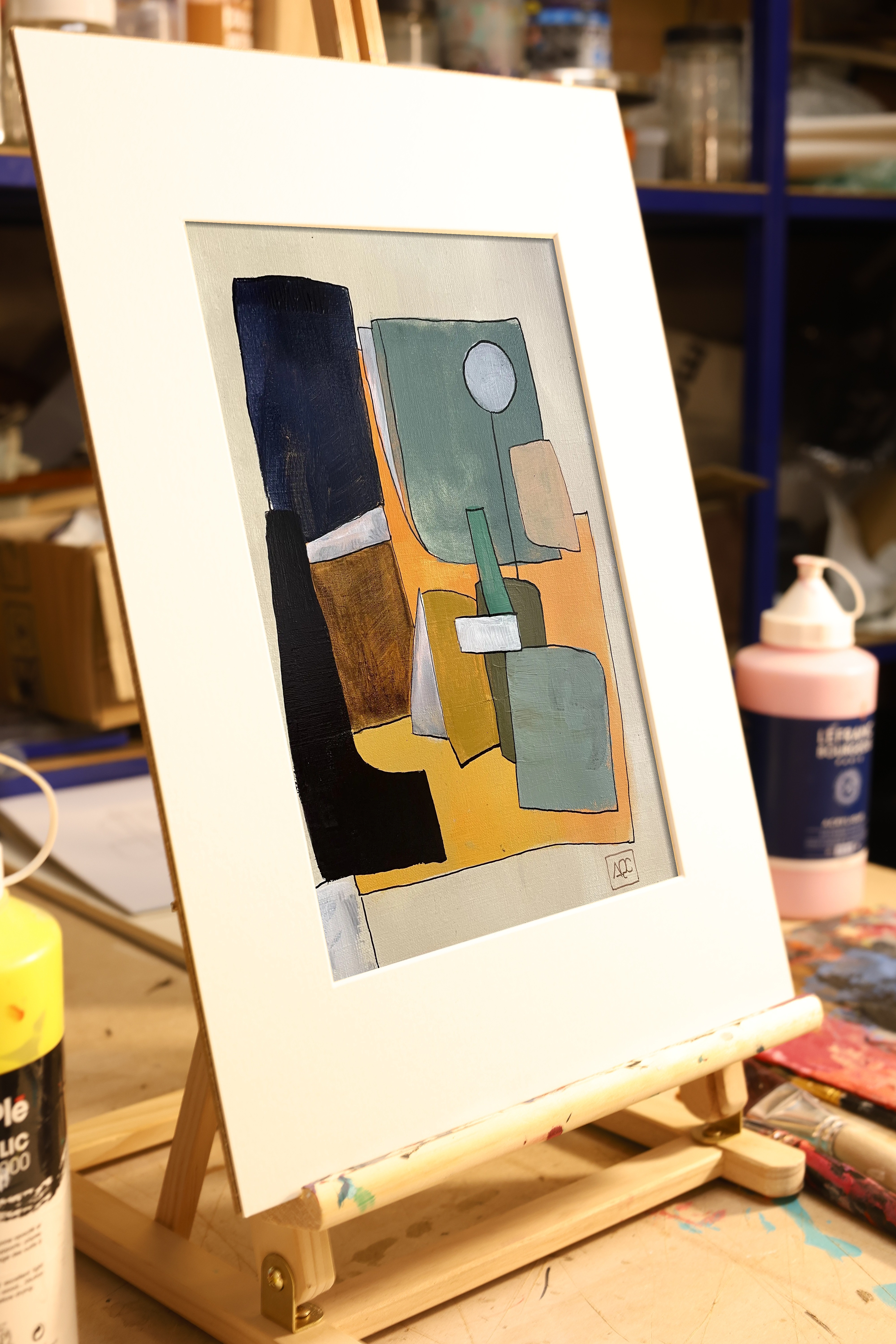 D Major - Research on Harmony - Variation 3Acrylic · 30 × 21 cmSold · Lisboa, Portugal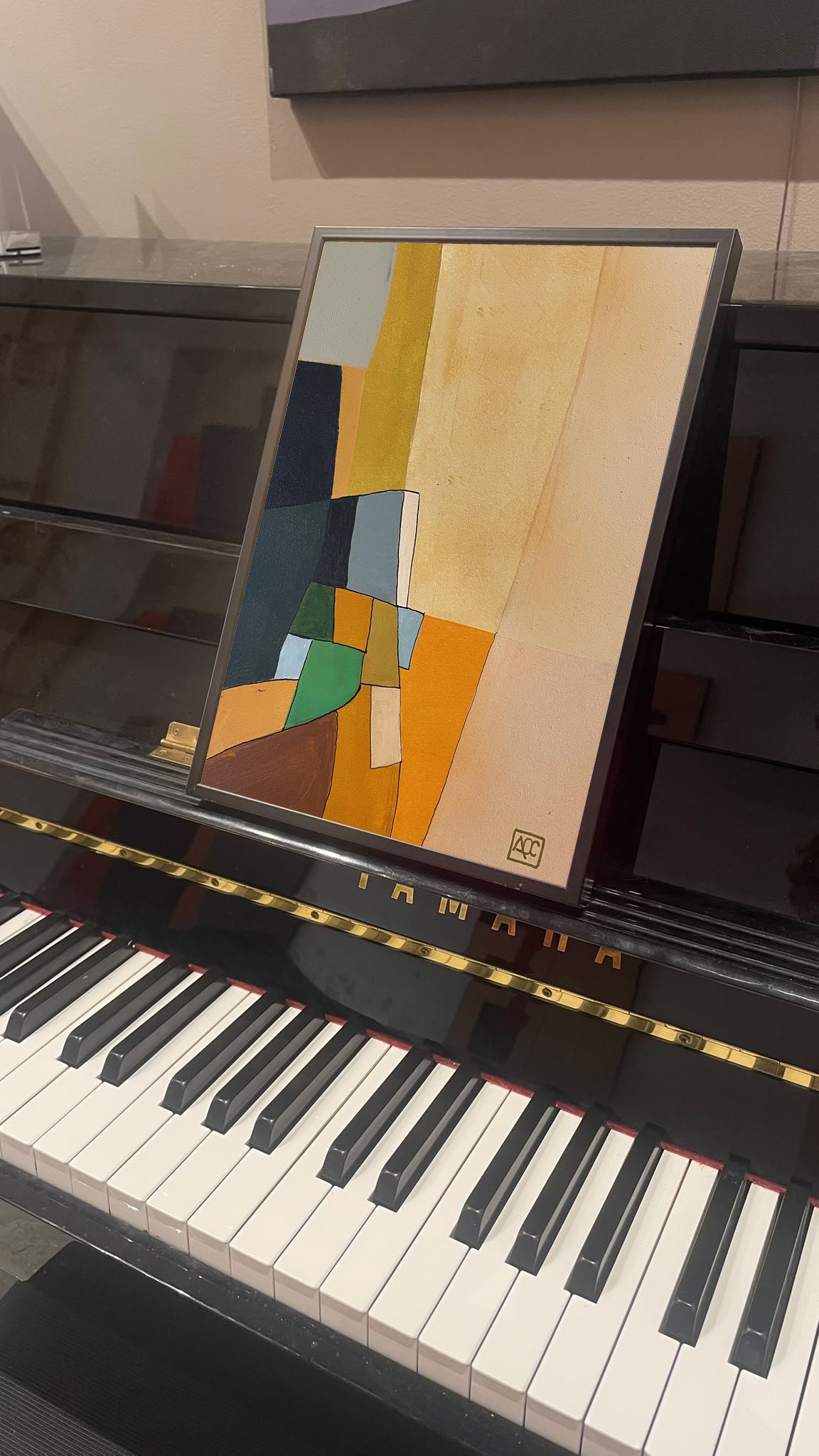
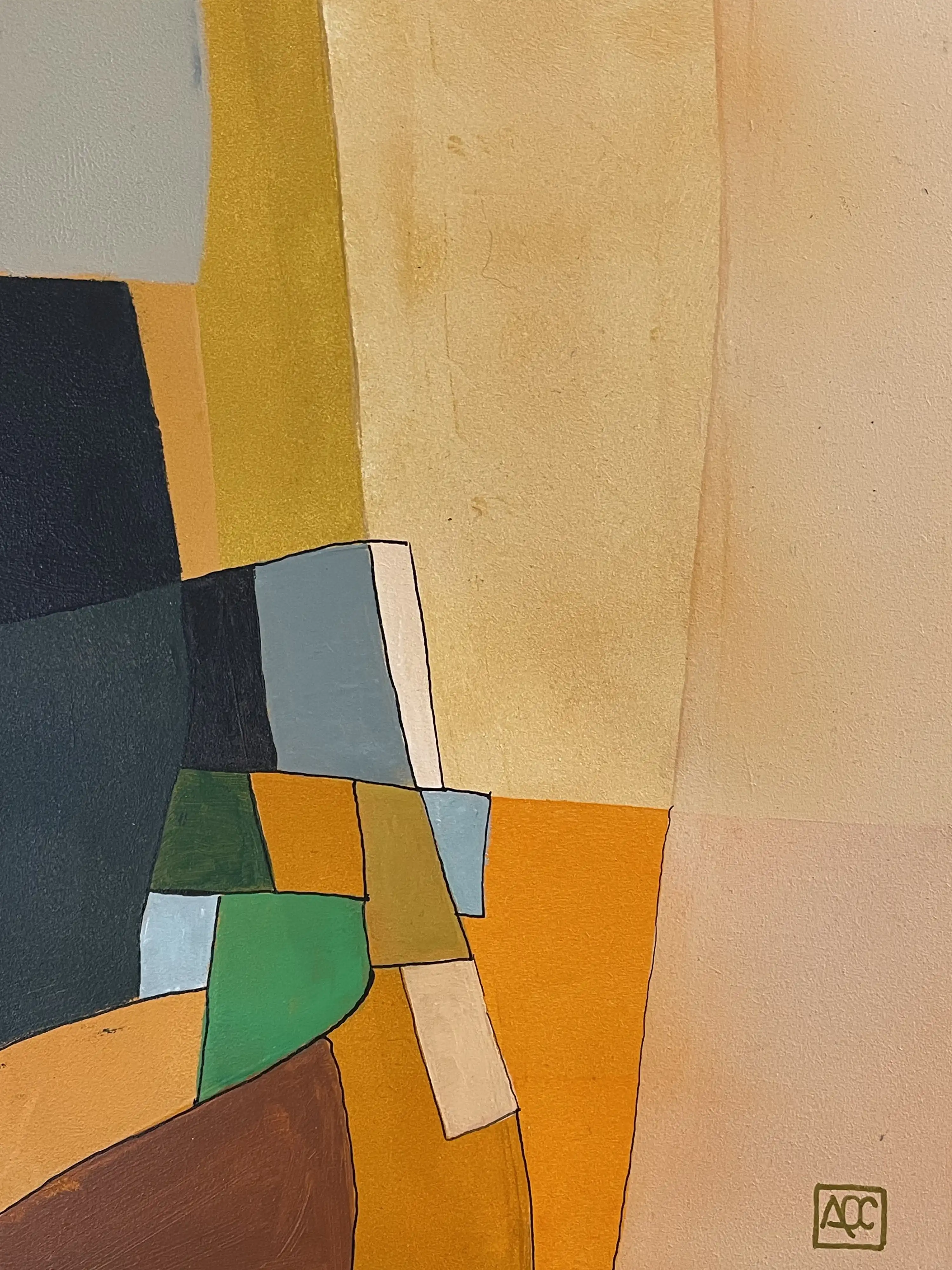
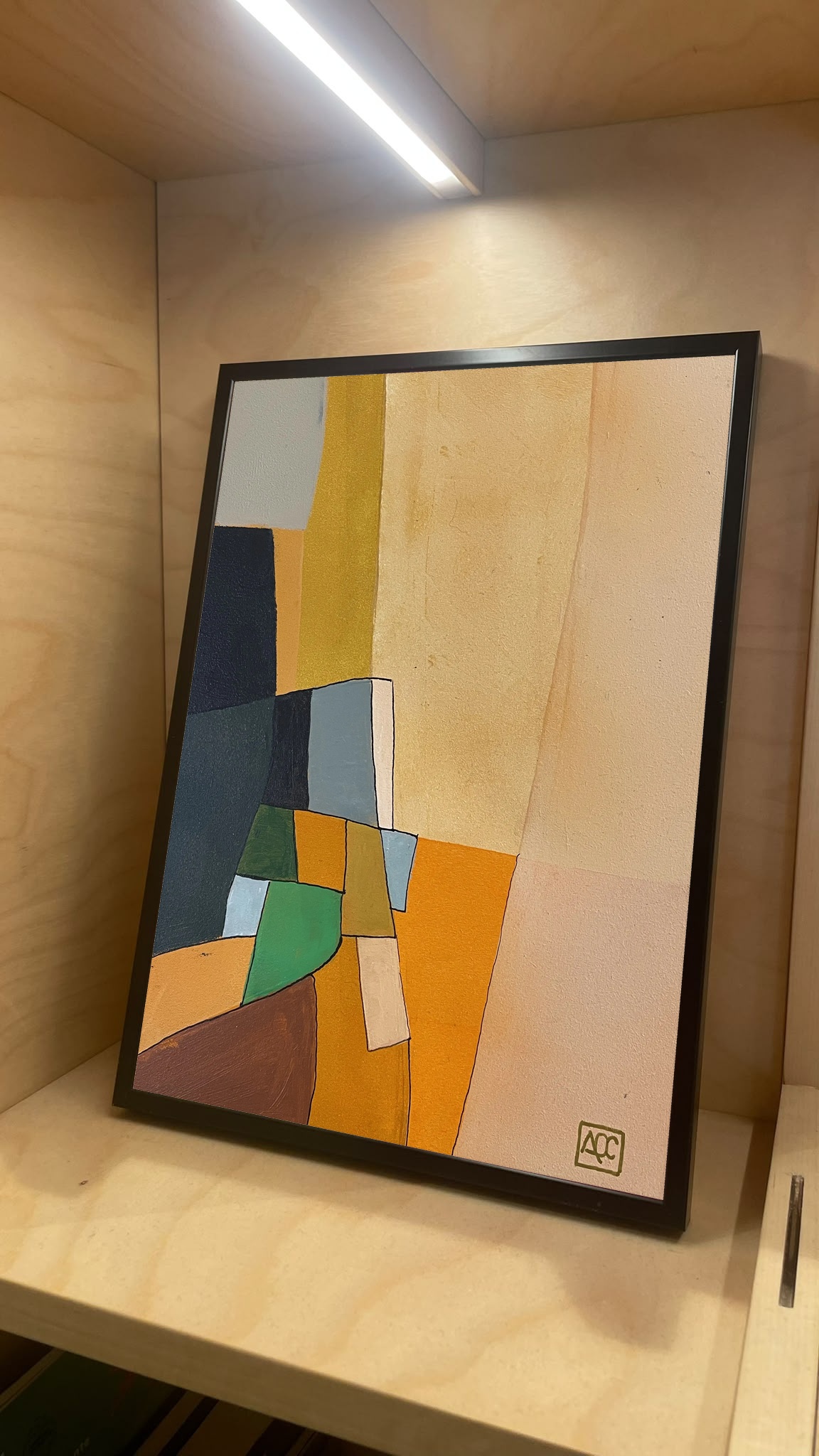 D Major - Research on Harmony - Variation 6Acrylic · 30 × 21 cmSold · Paris, France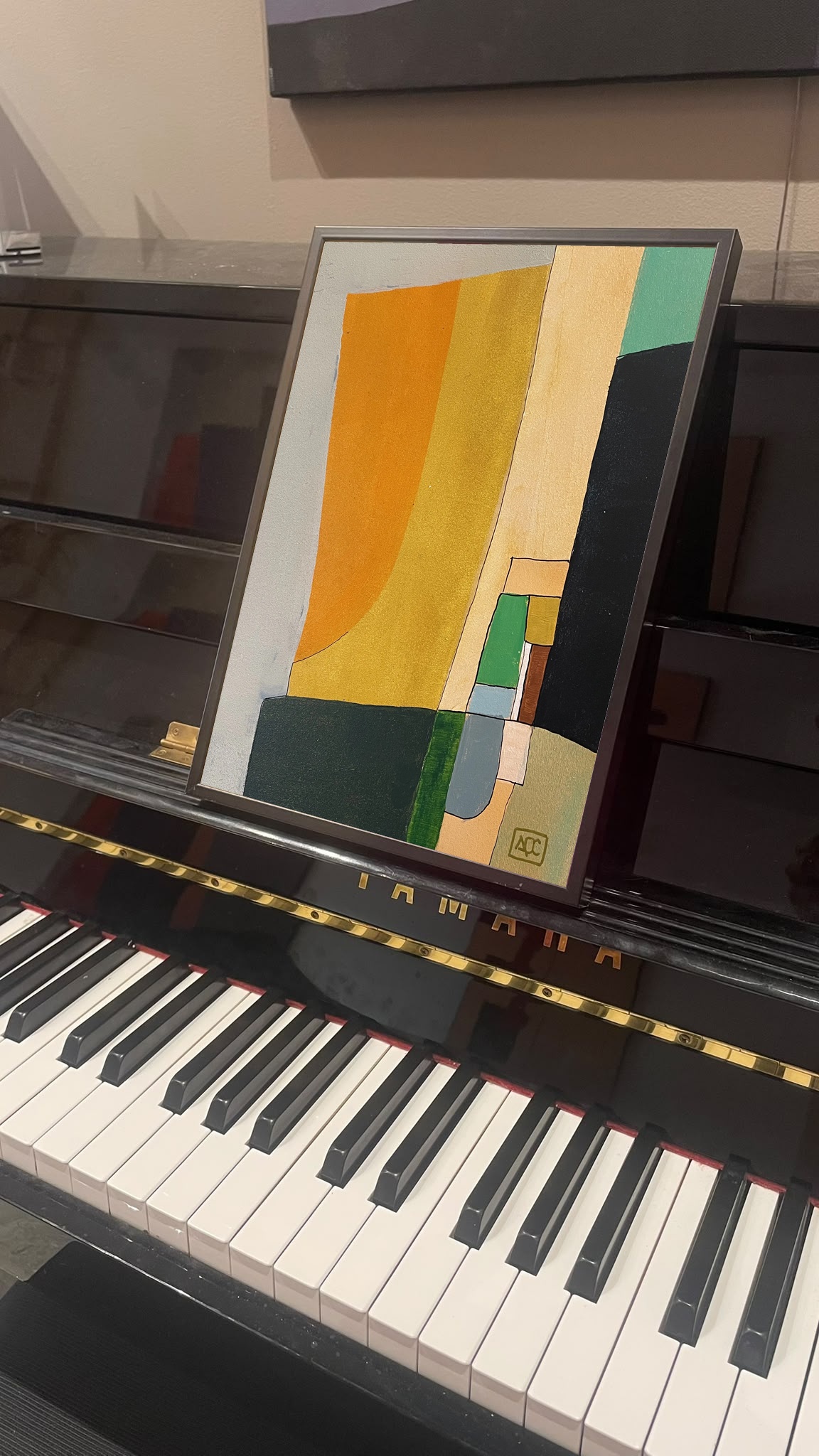
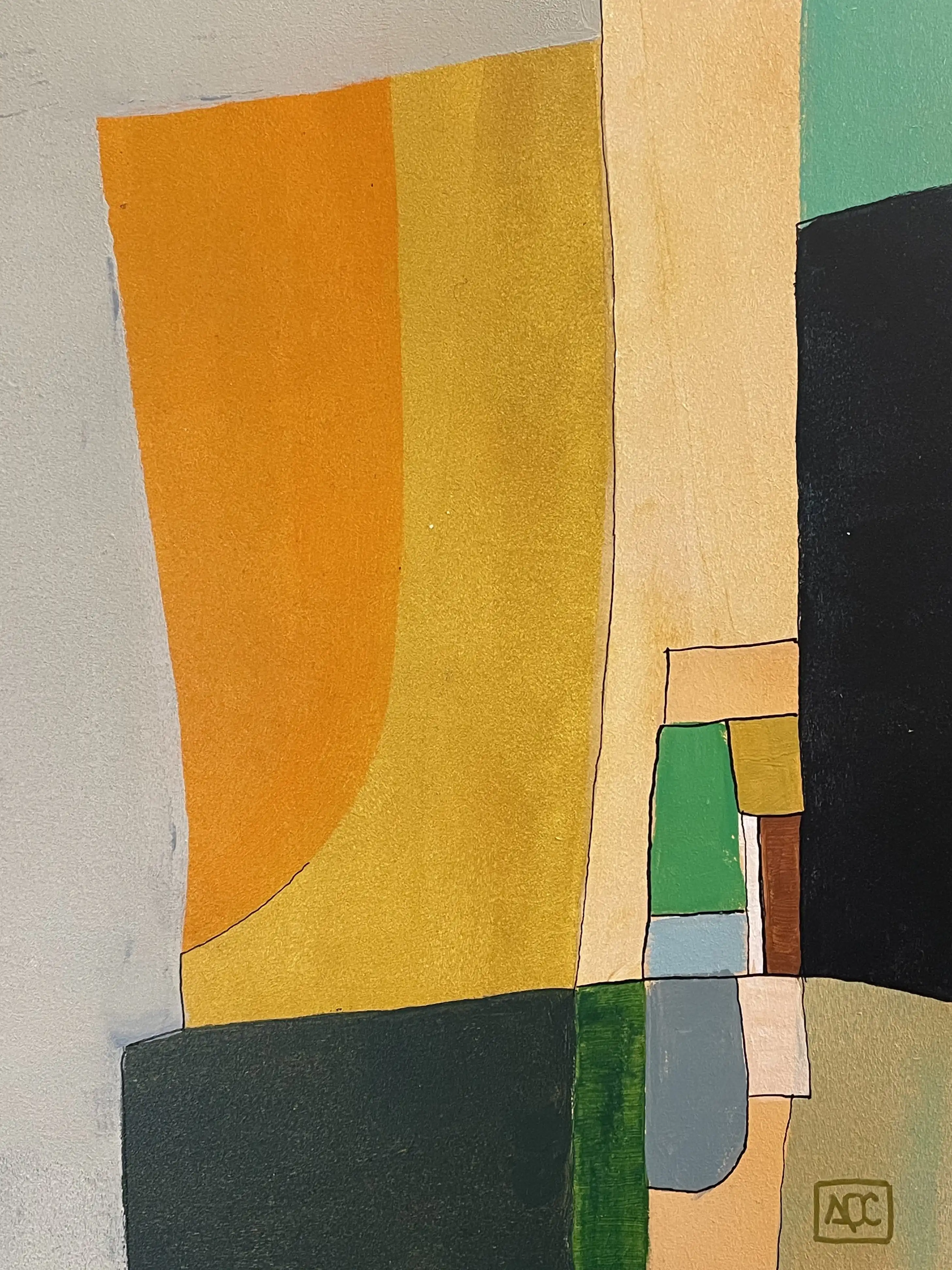
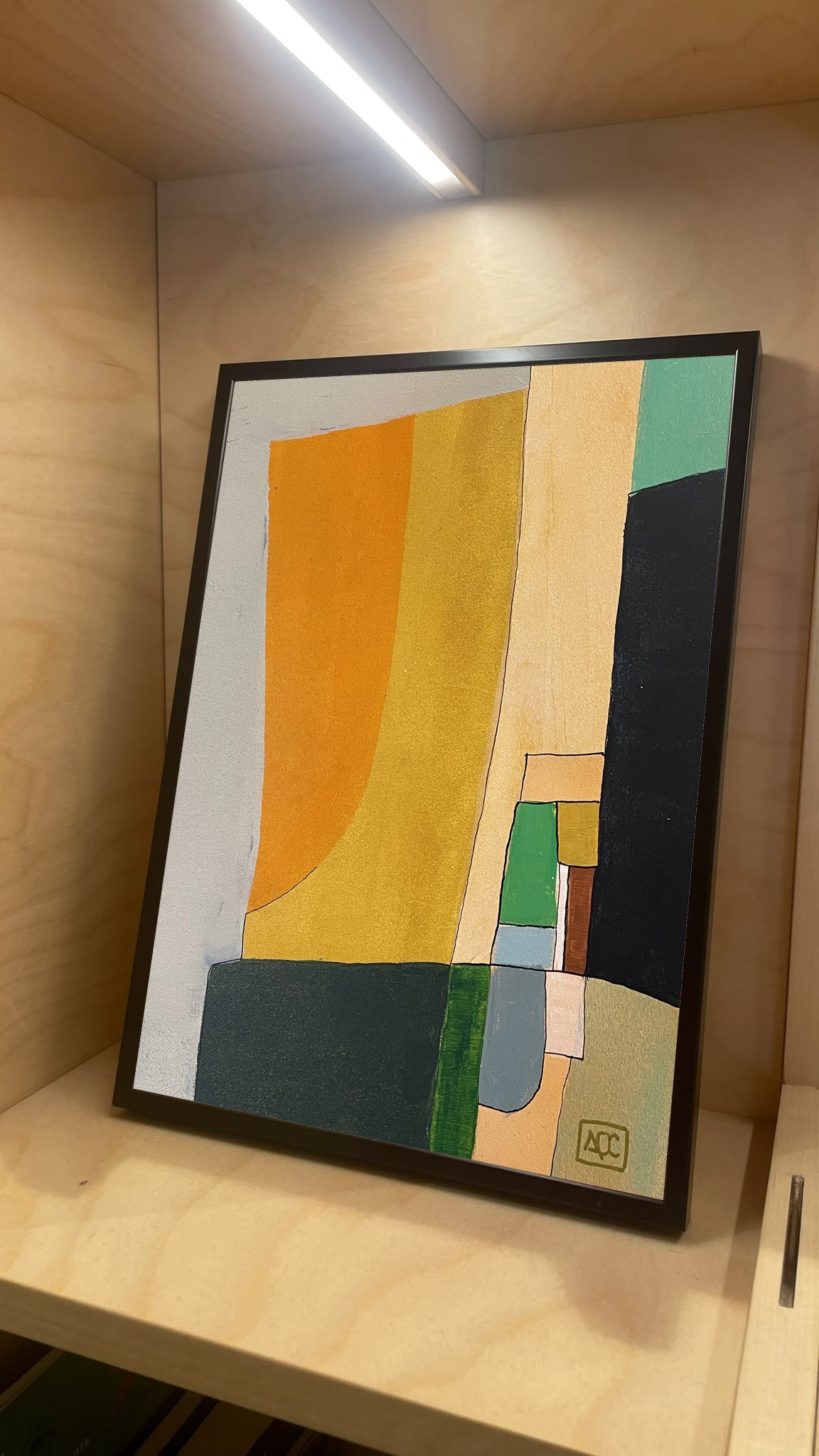 D Major - Research on Harmony - Variation 7Acrylic · 30 × 21 cmSold · Paris, France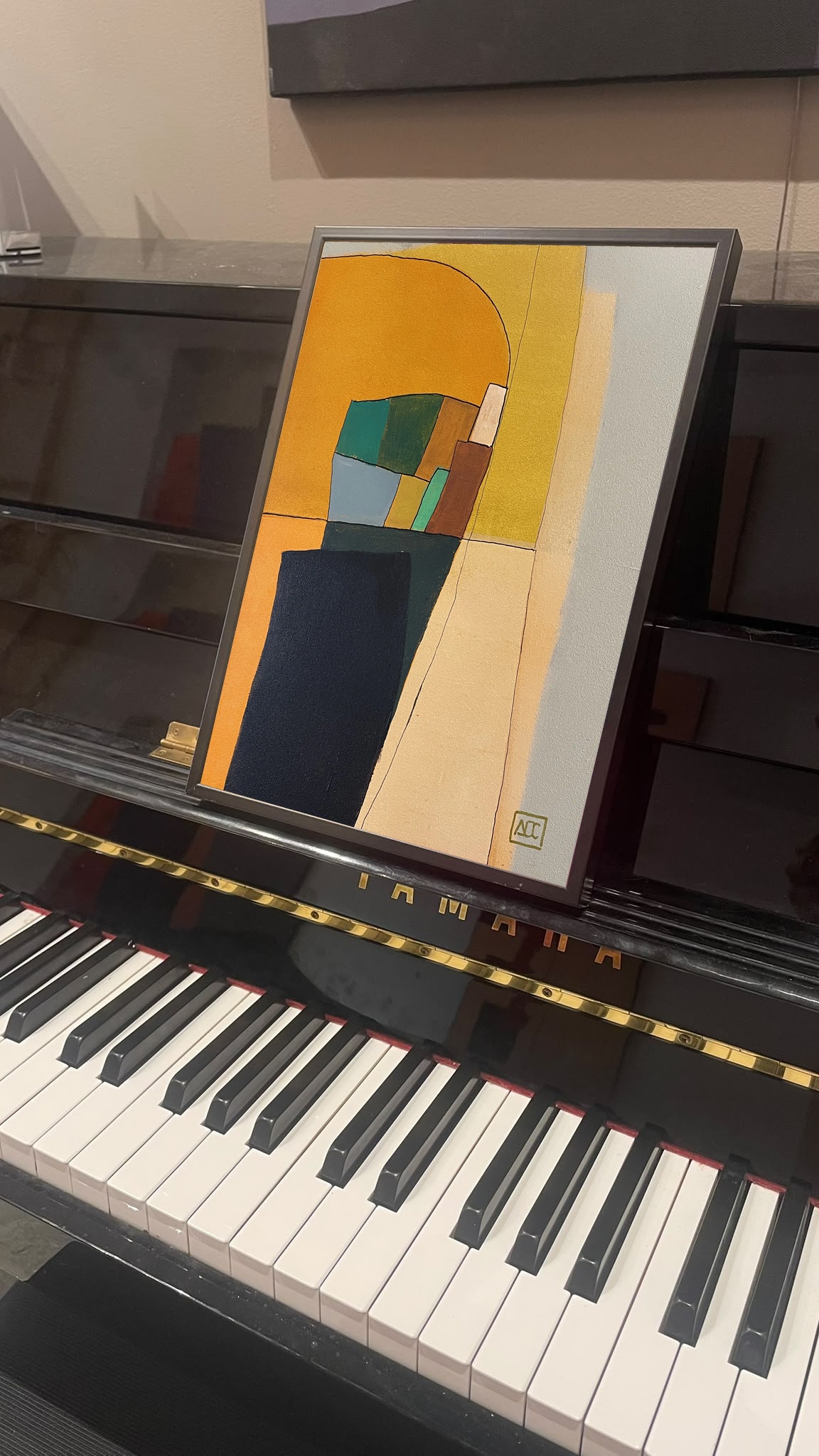
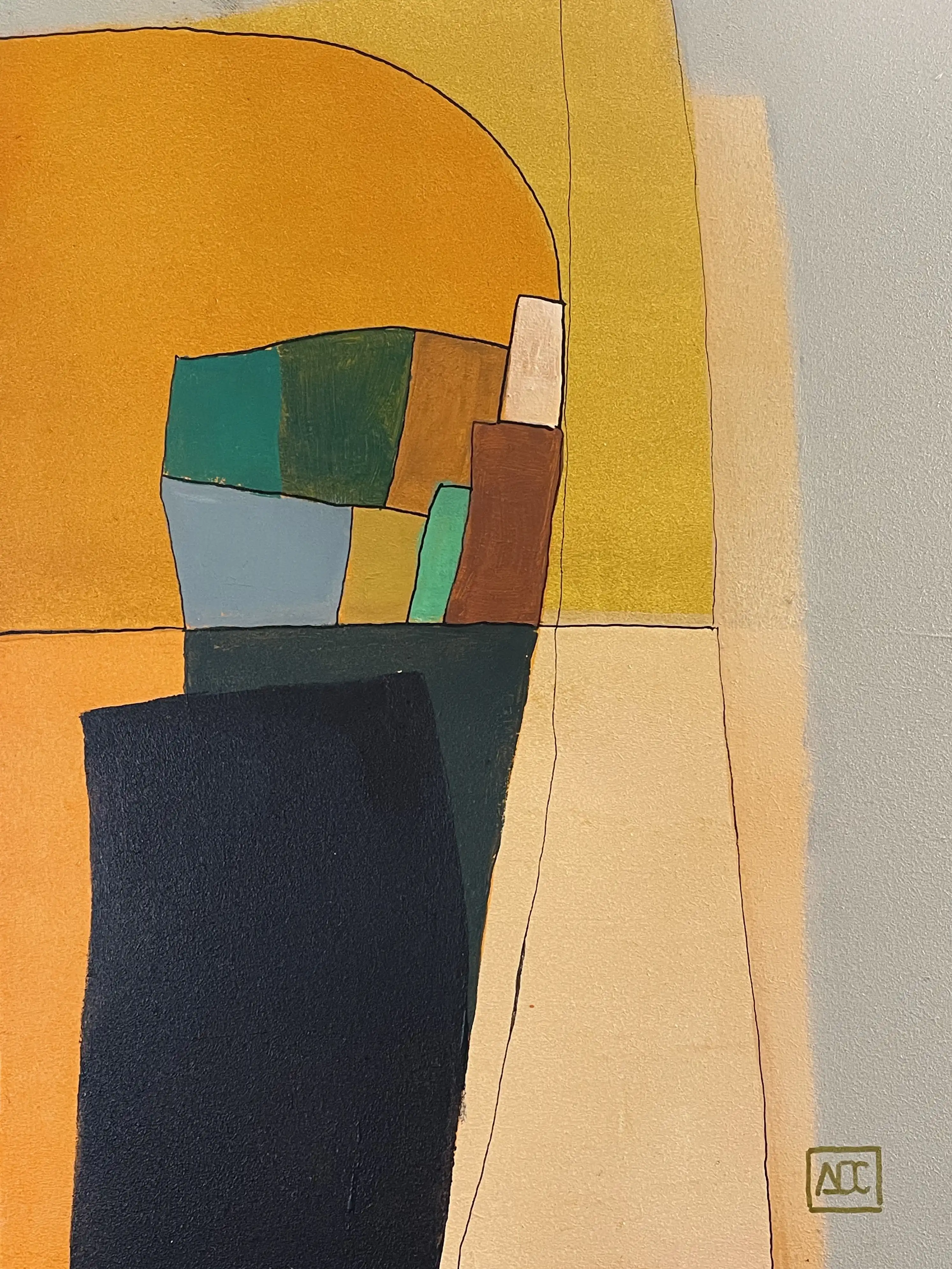
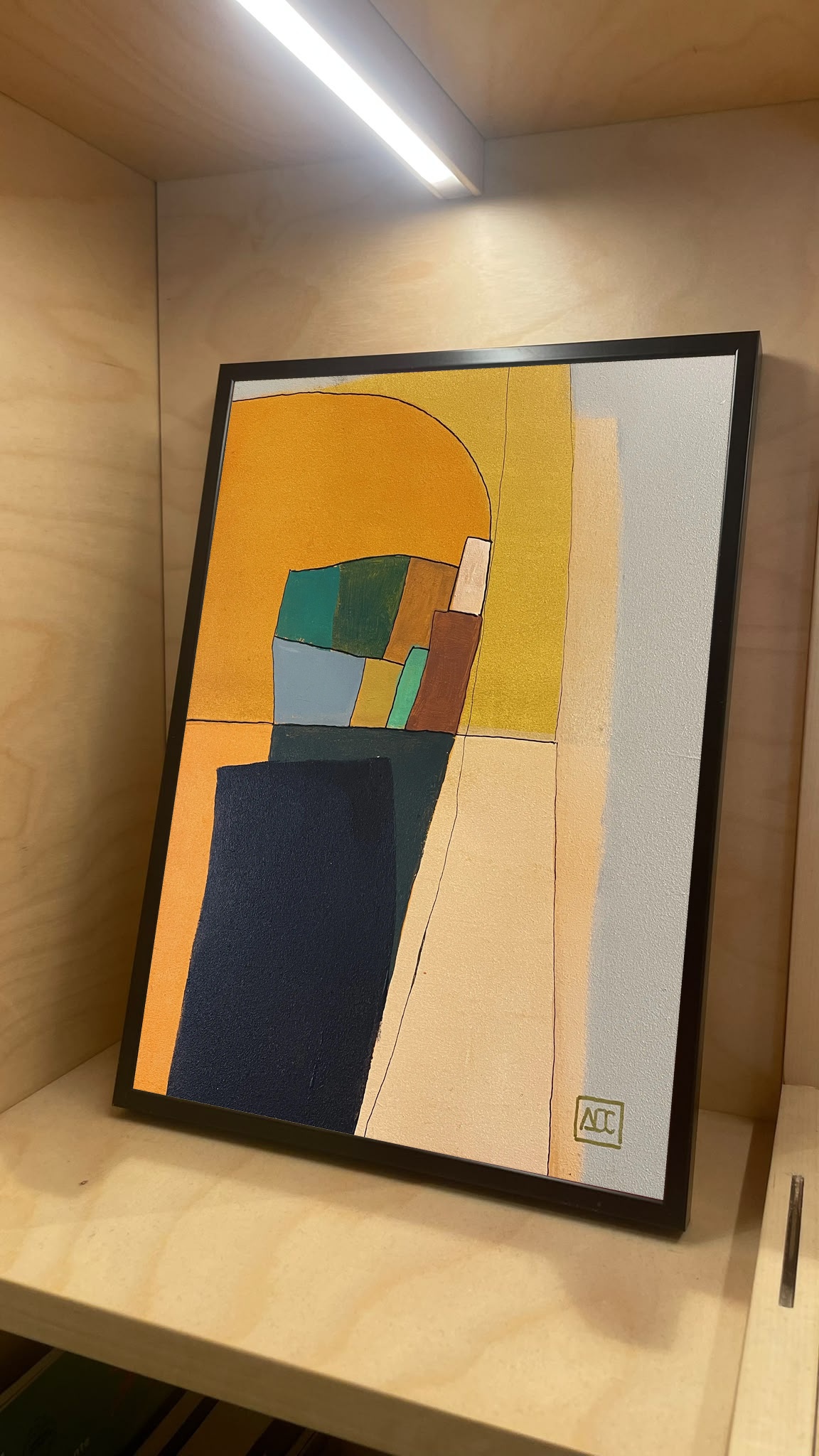 D Major - Research on Harmony - Variation 8Acrylic · 30 × 21 cmSold · Paris, France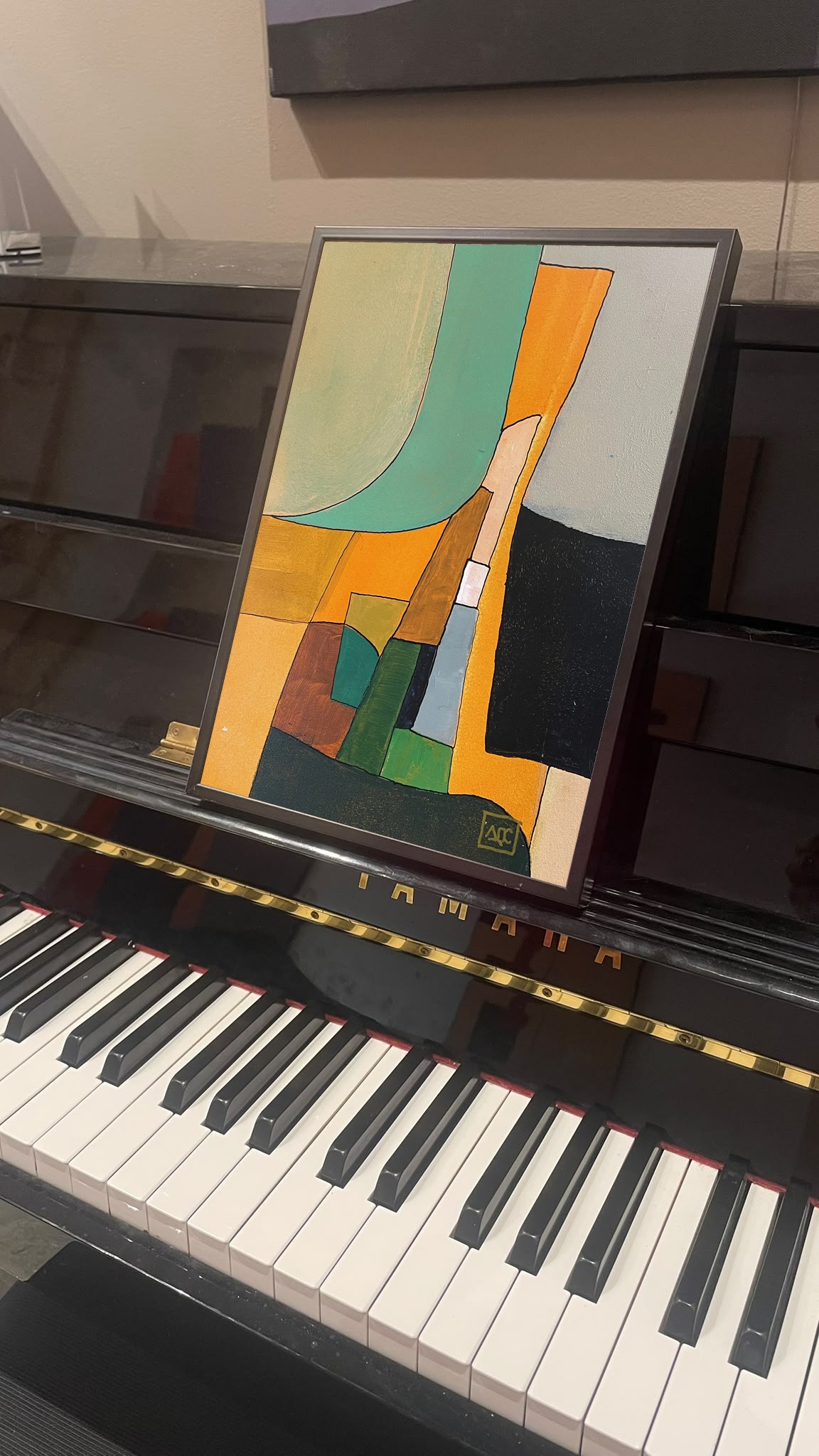
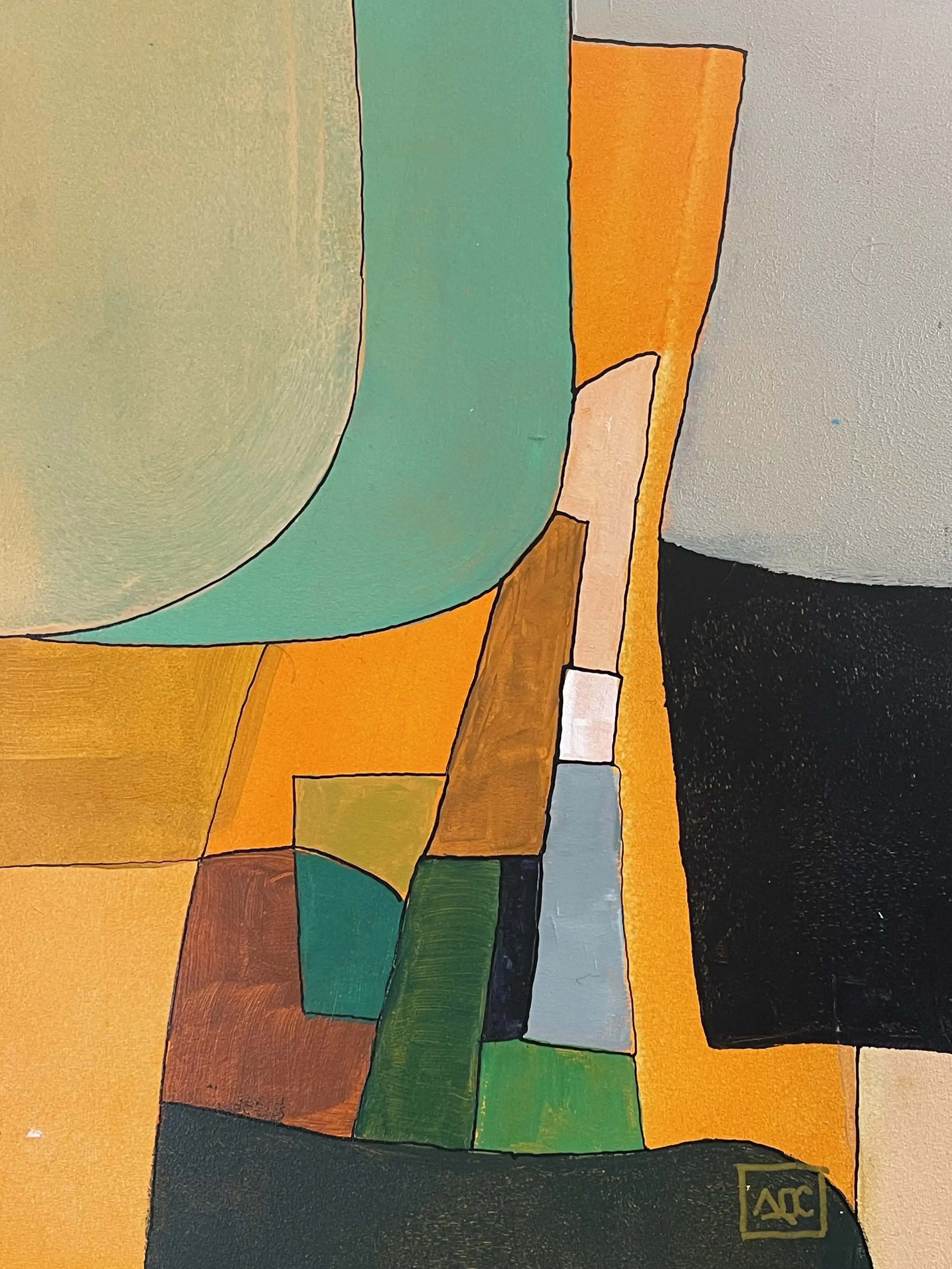
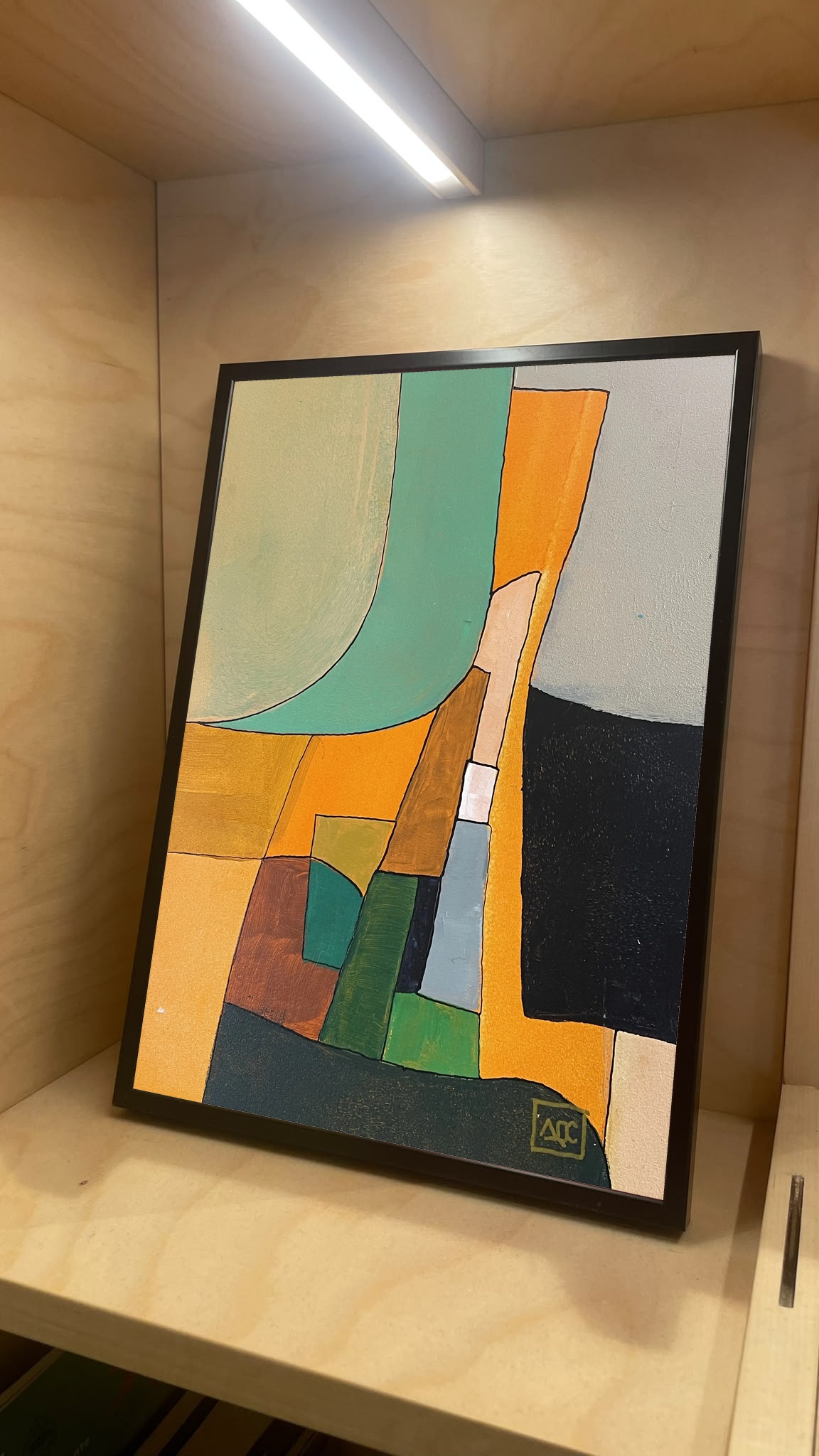 D Major - Research on Harmony - Variation 9Acrylic · 30 × 21 cmSold · USA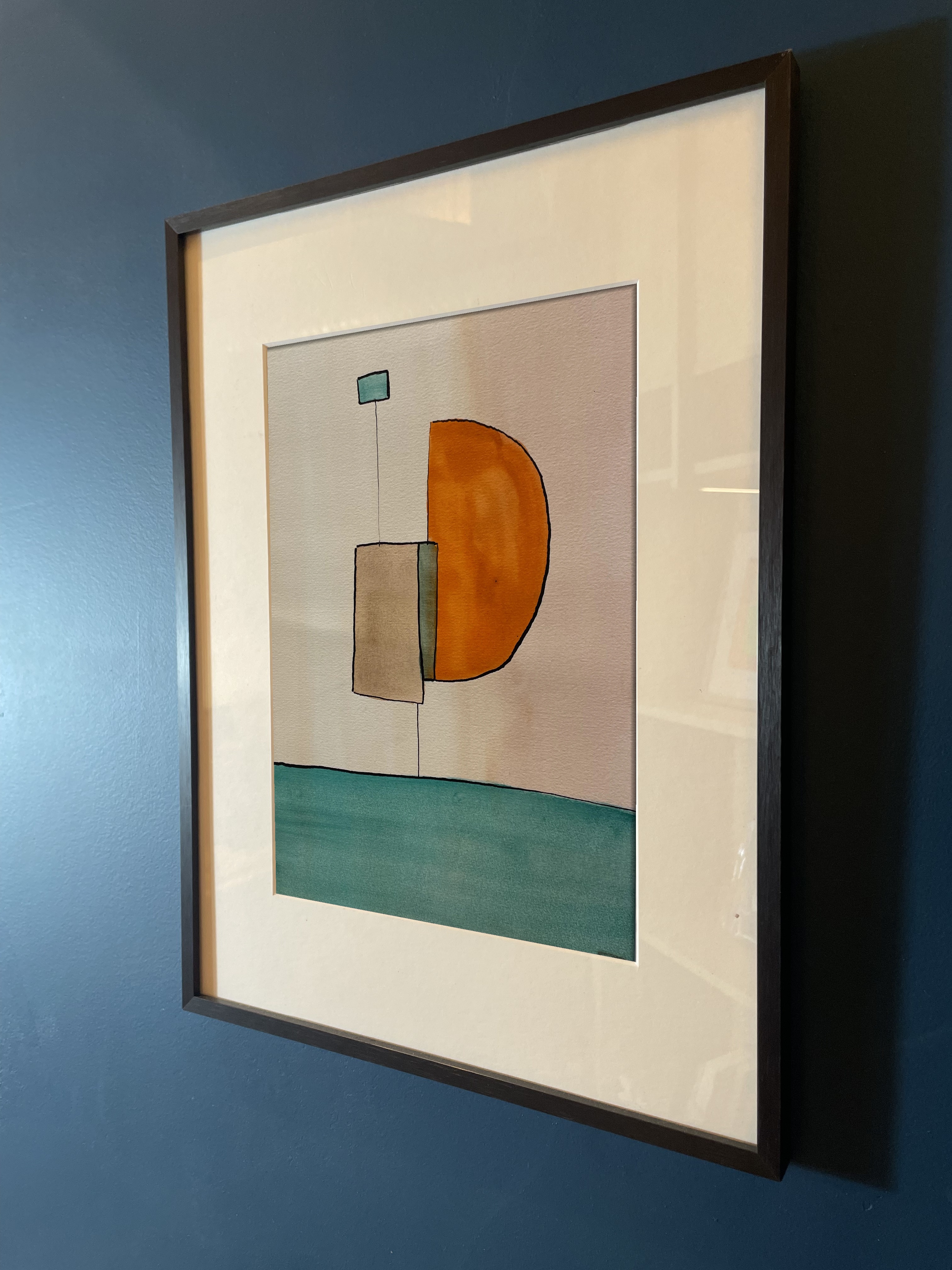
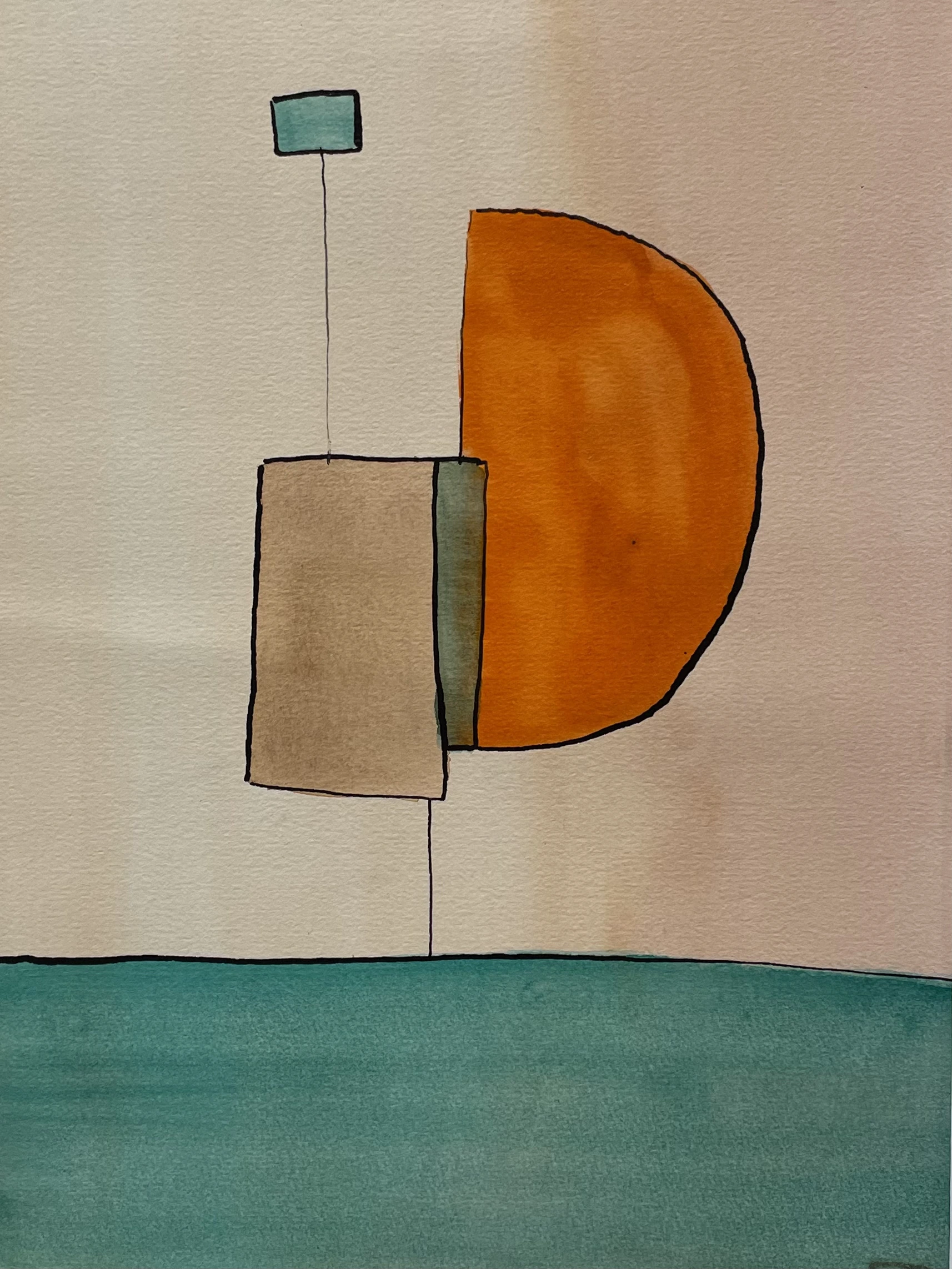
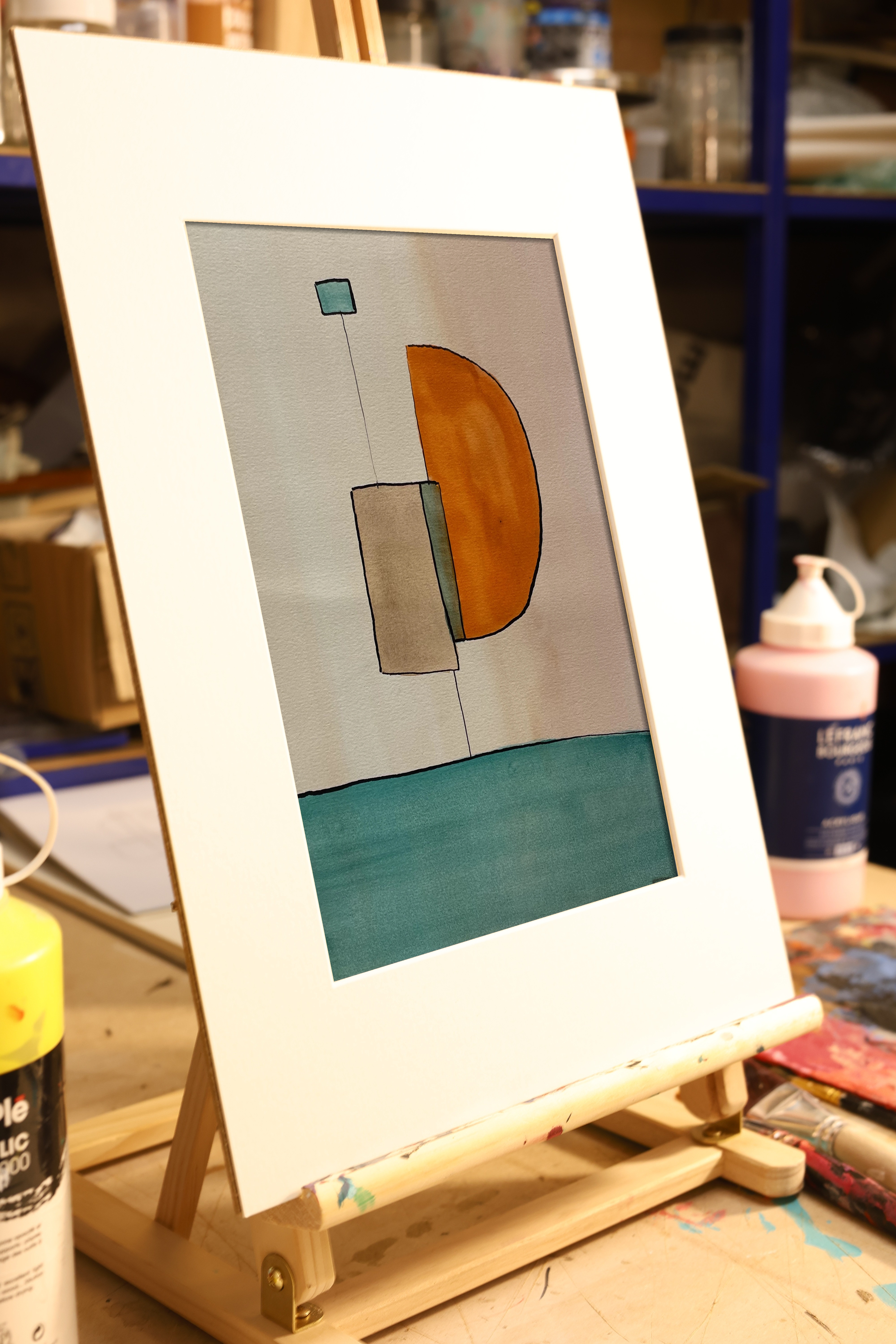 Watercolor Study in D Major No. 3Watercolor · 30 × 21 cmSold · Los Angeles, USA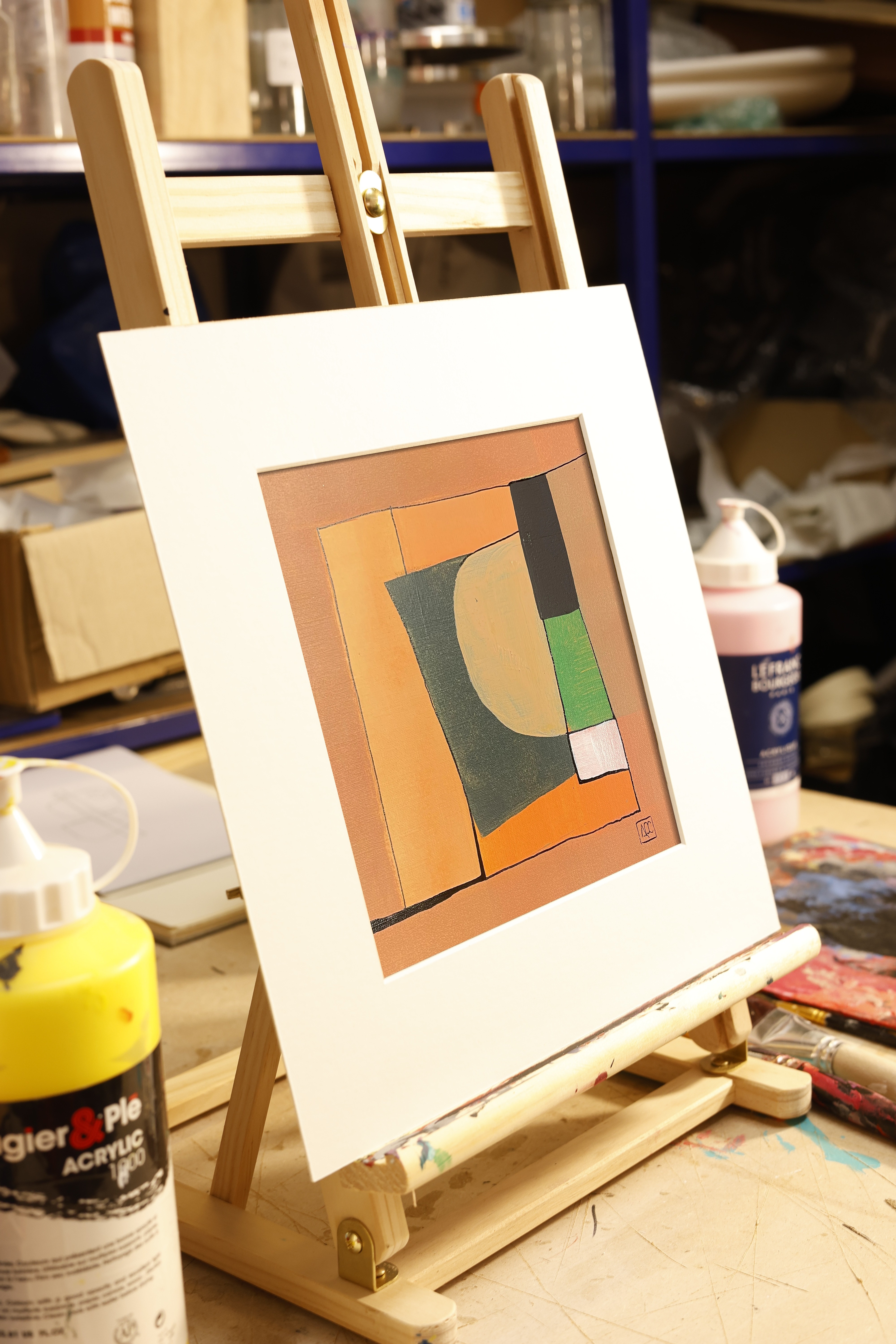
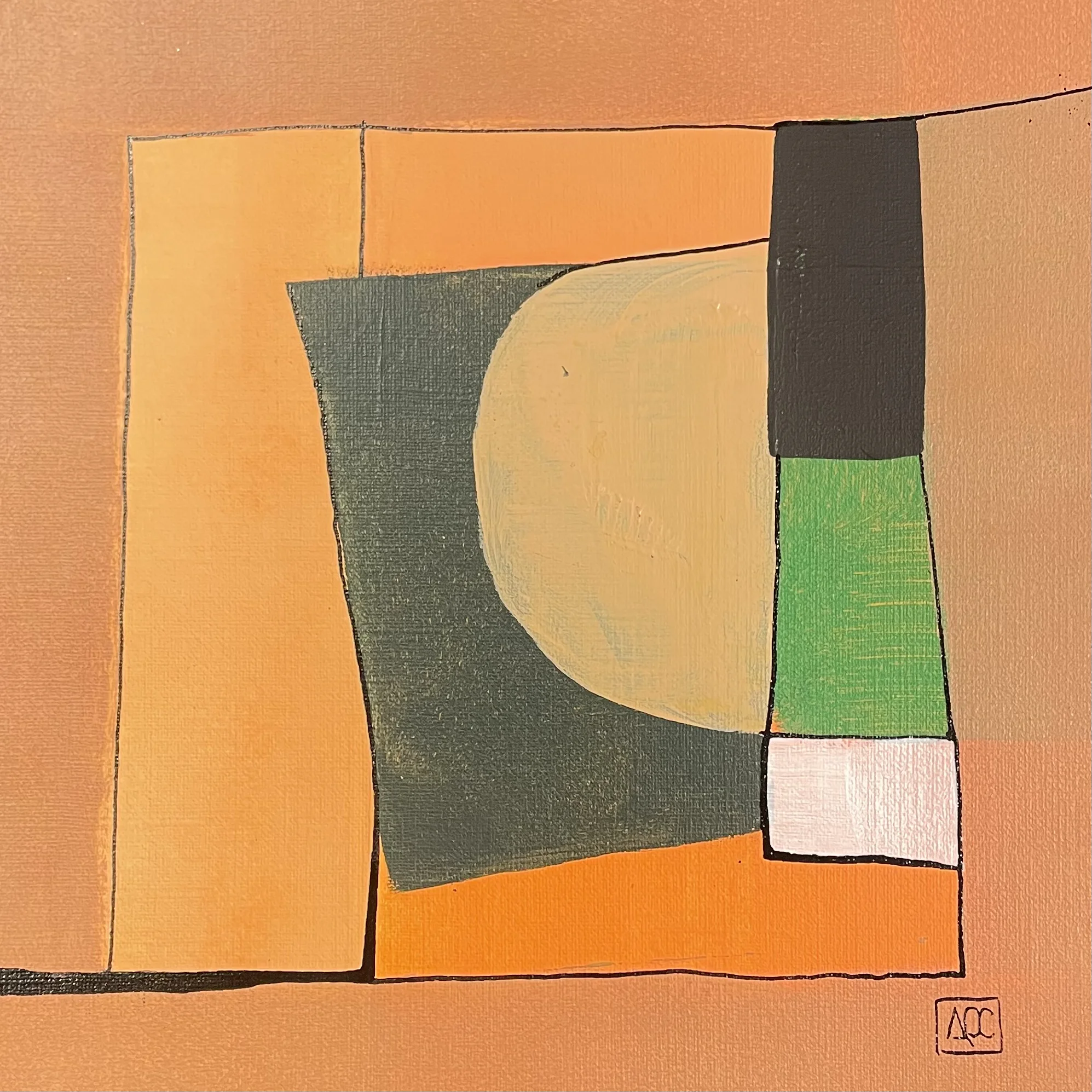 D Major - Research on Harmony - Variations 15Acrylic · 21 × 21 cmSold · Barcelona, Spain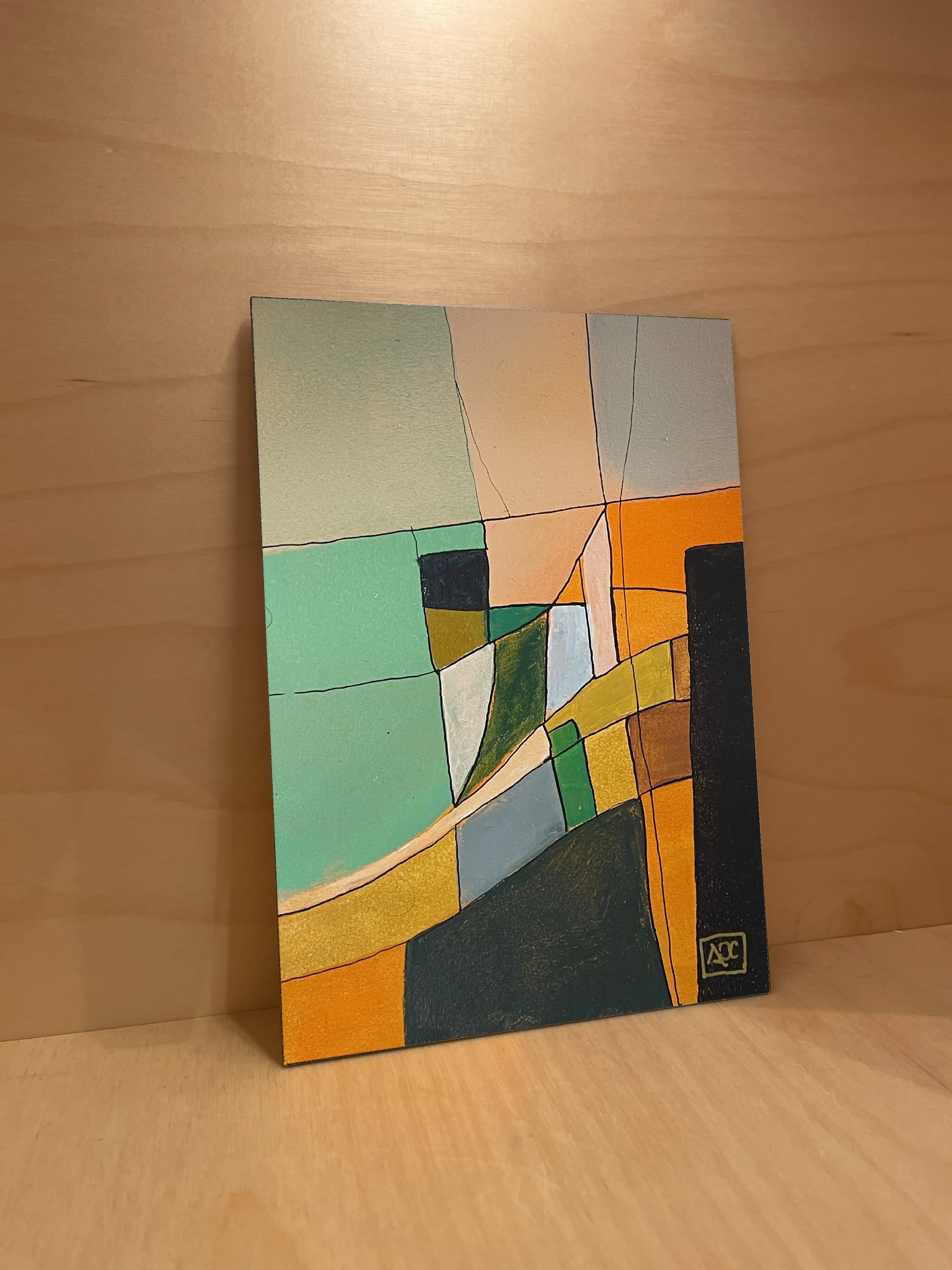
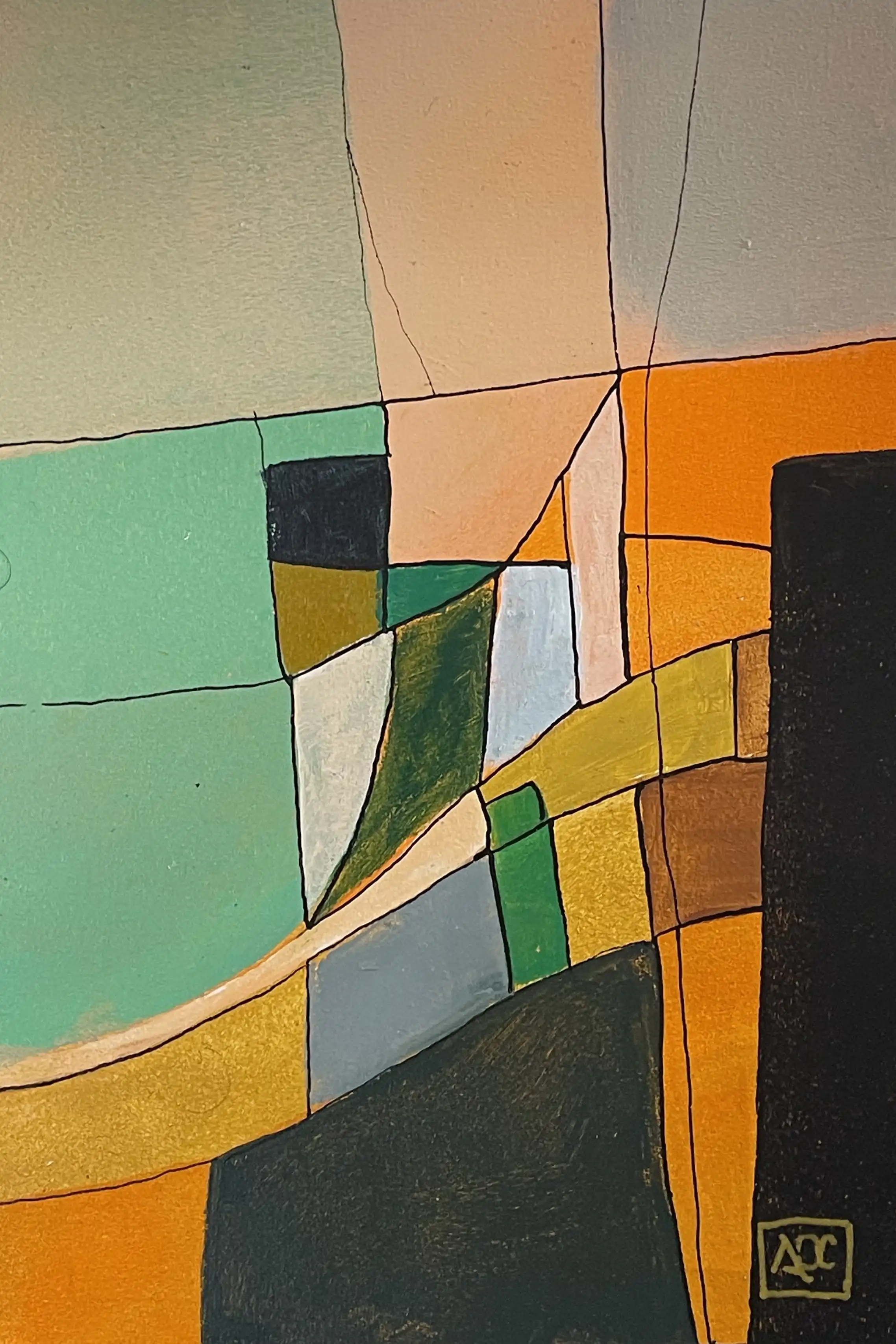
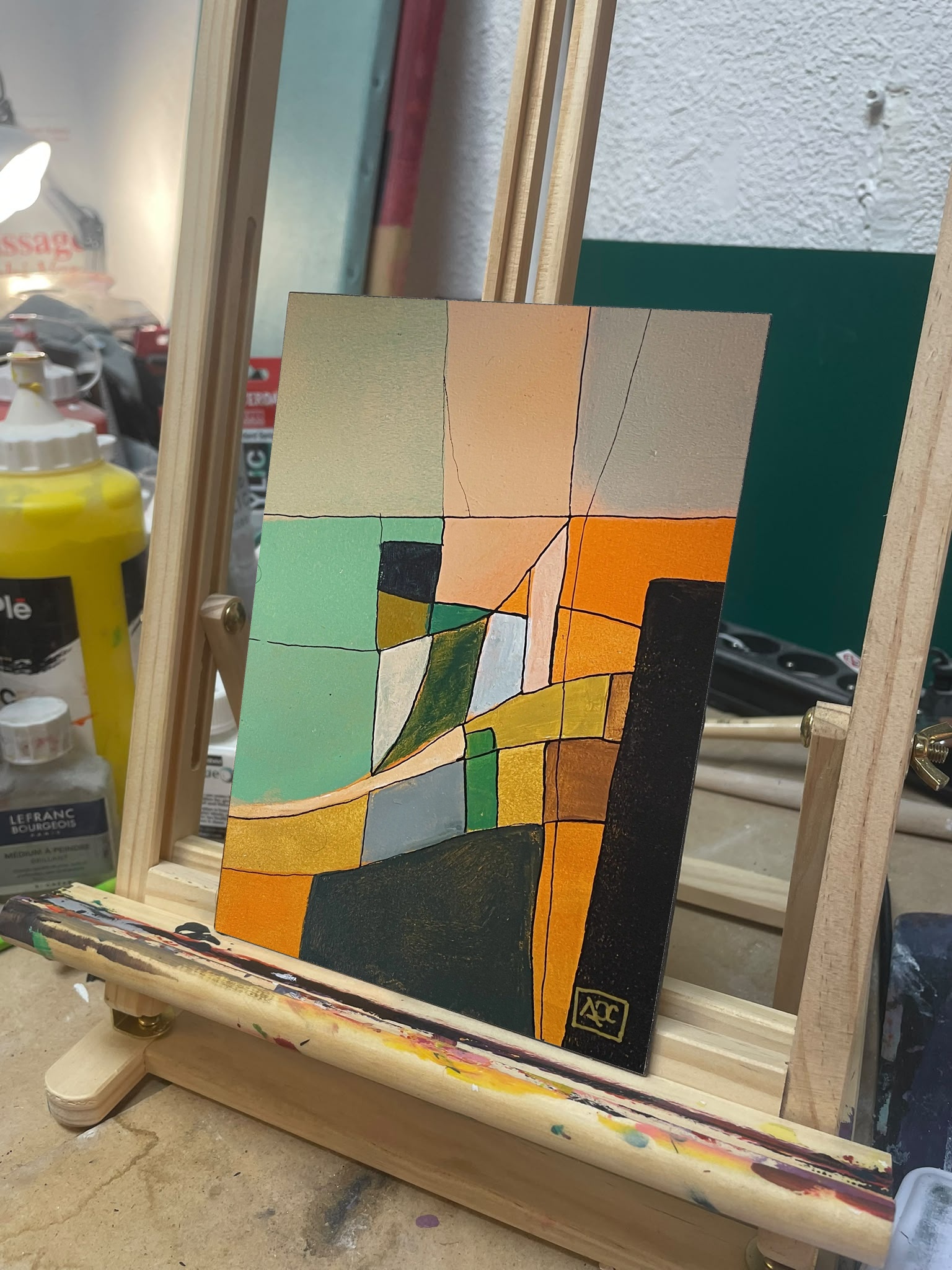 D Major - Research on Harmony - Variation 10Acrylic · 21 × 15 cmSold · USA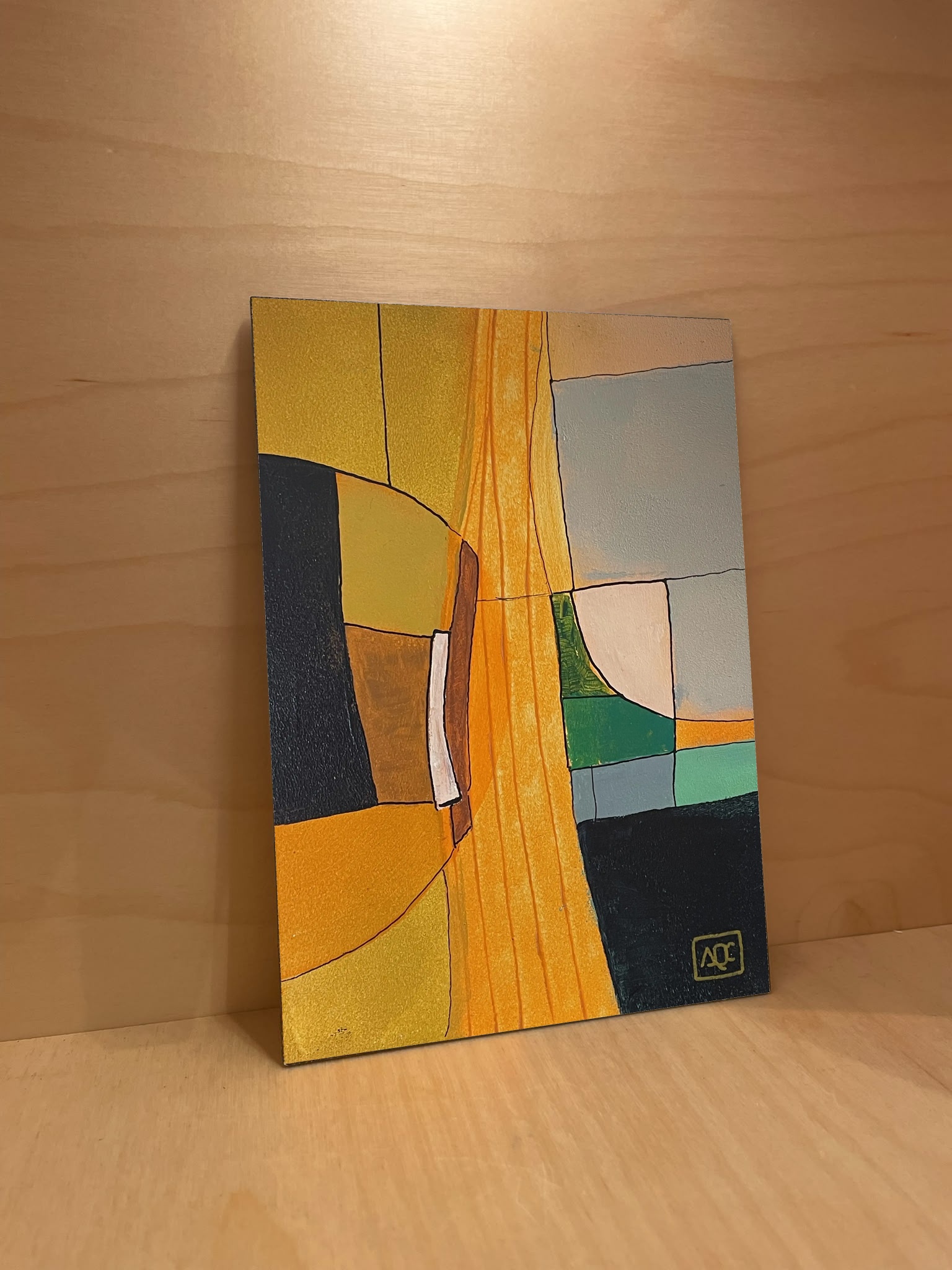
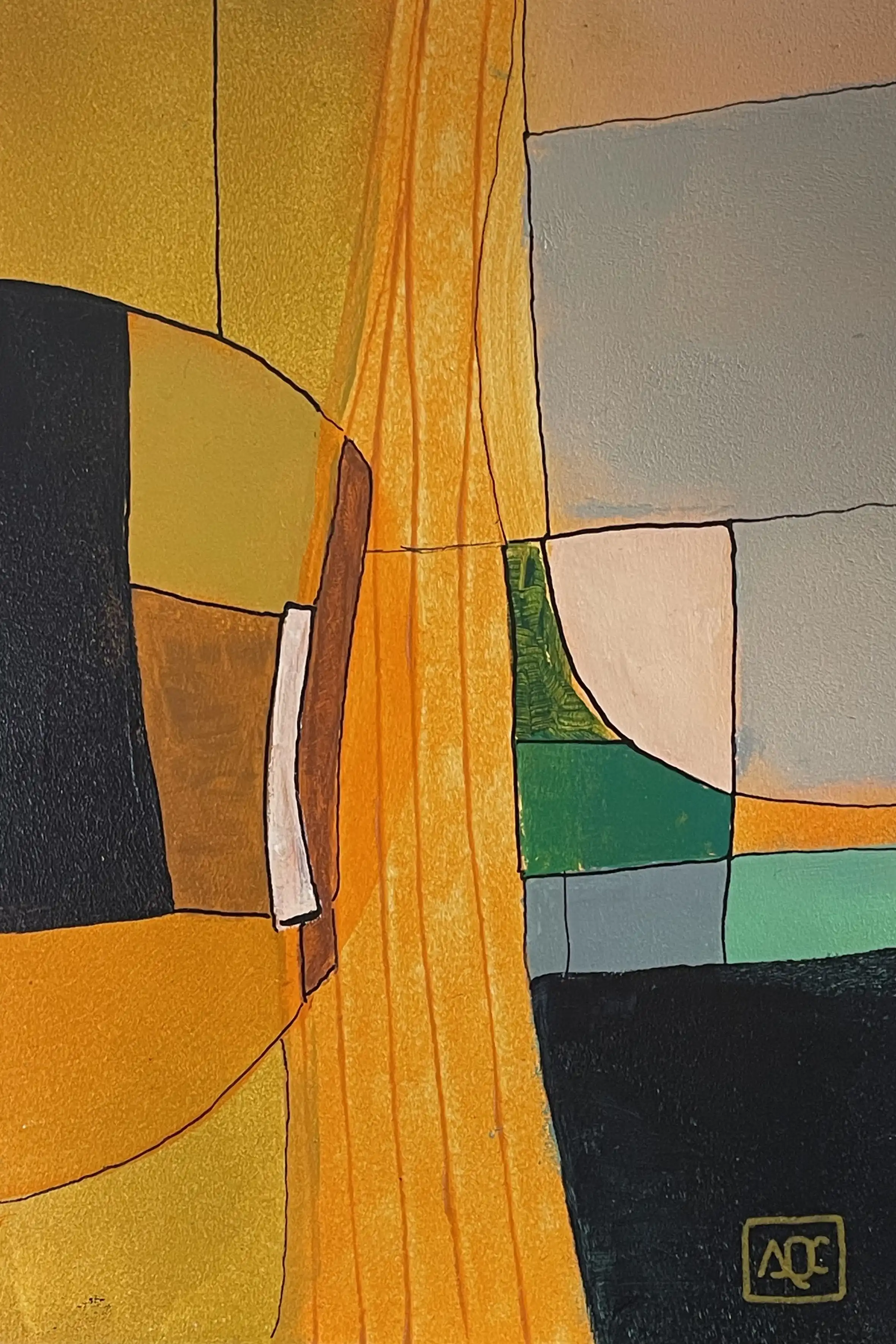
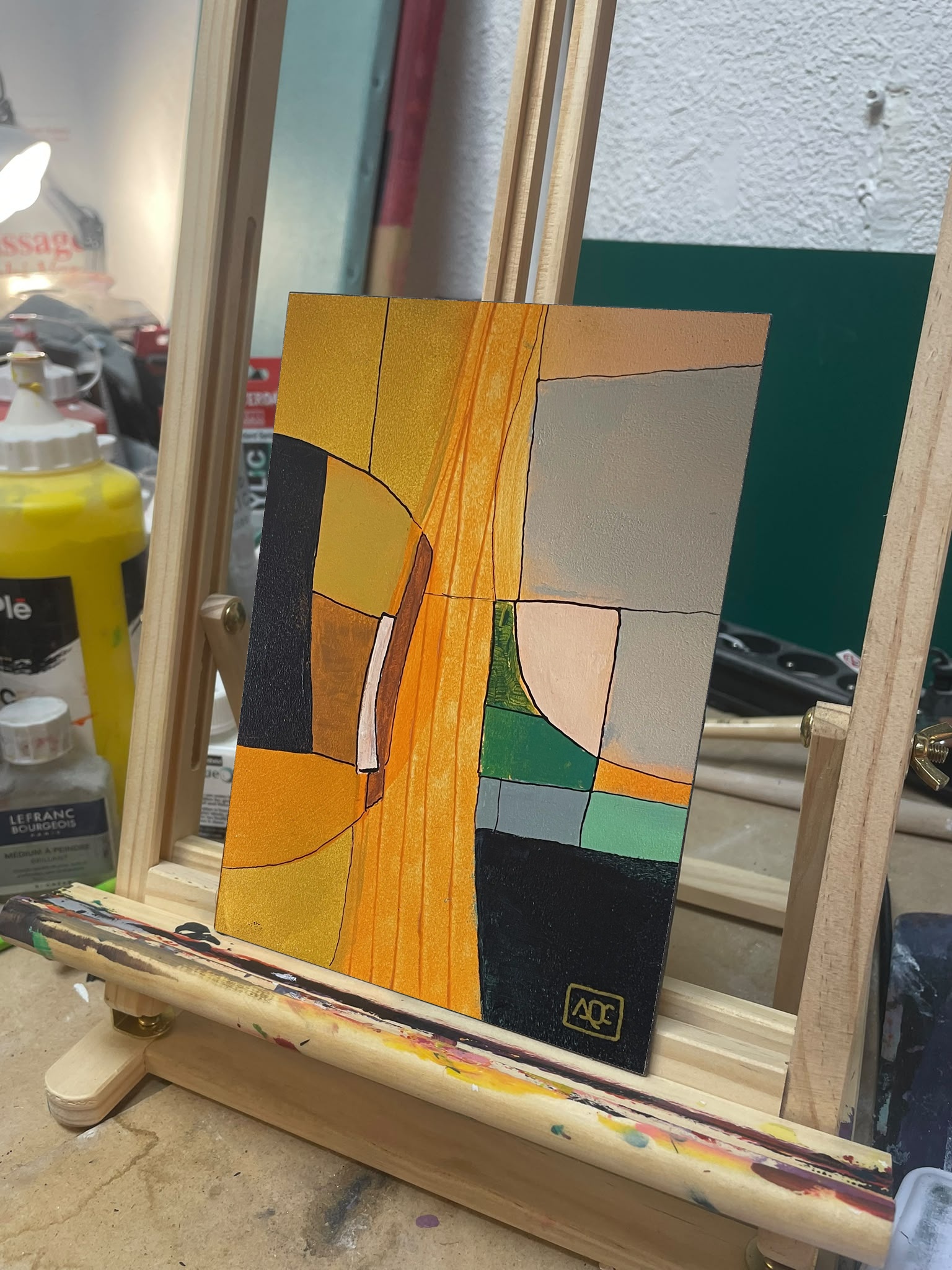 D Major - Research on Harmony - Variation 11Acrylic · 21 × 15 cmSold · Boulogne-Billancourt, France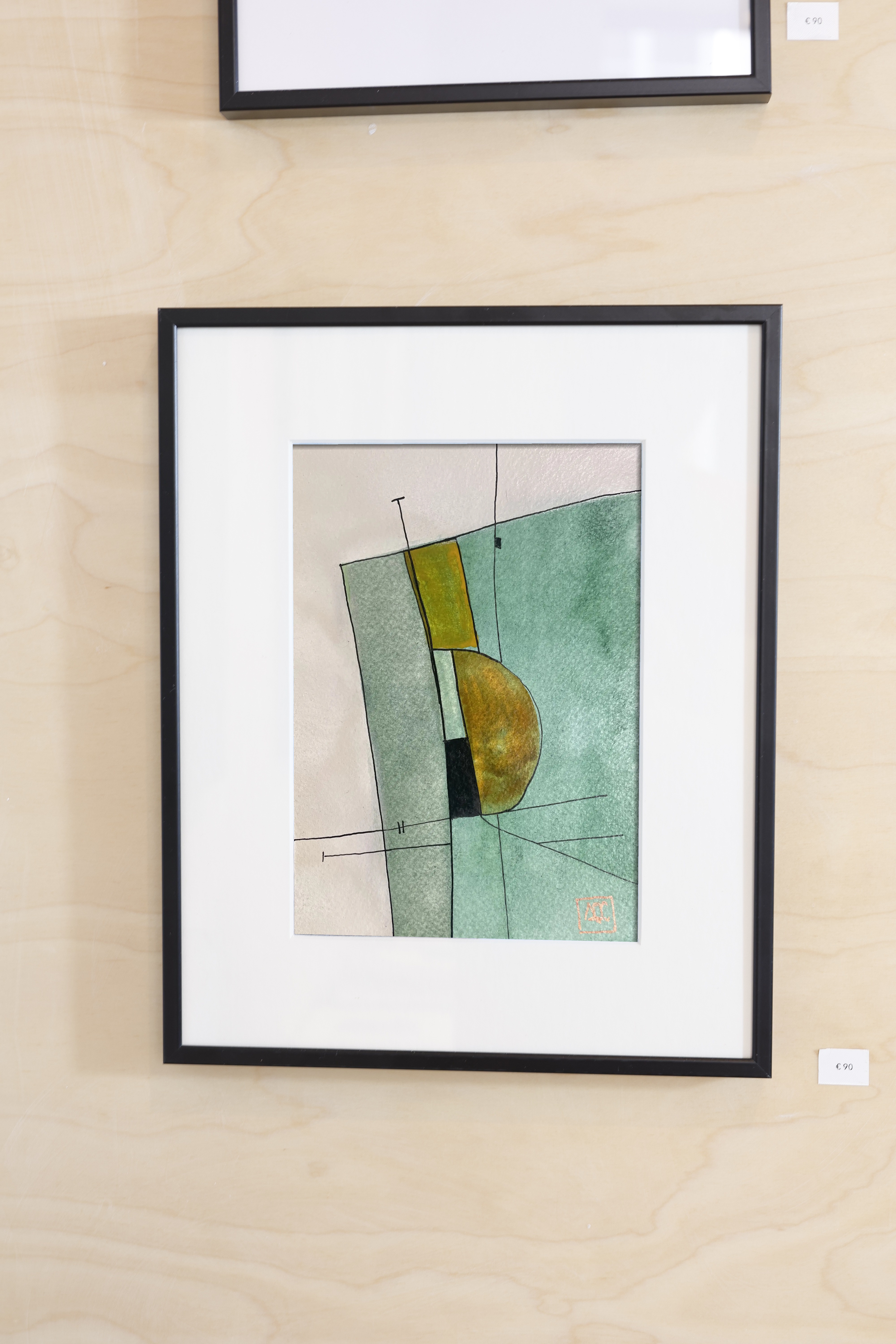
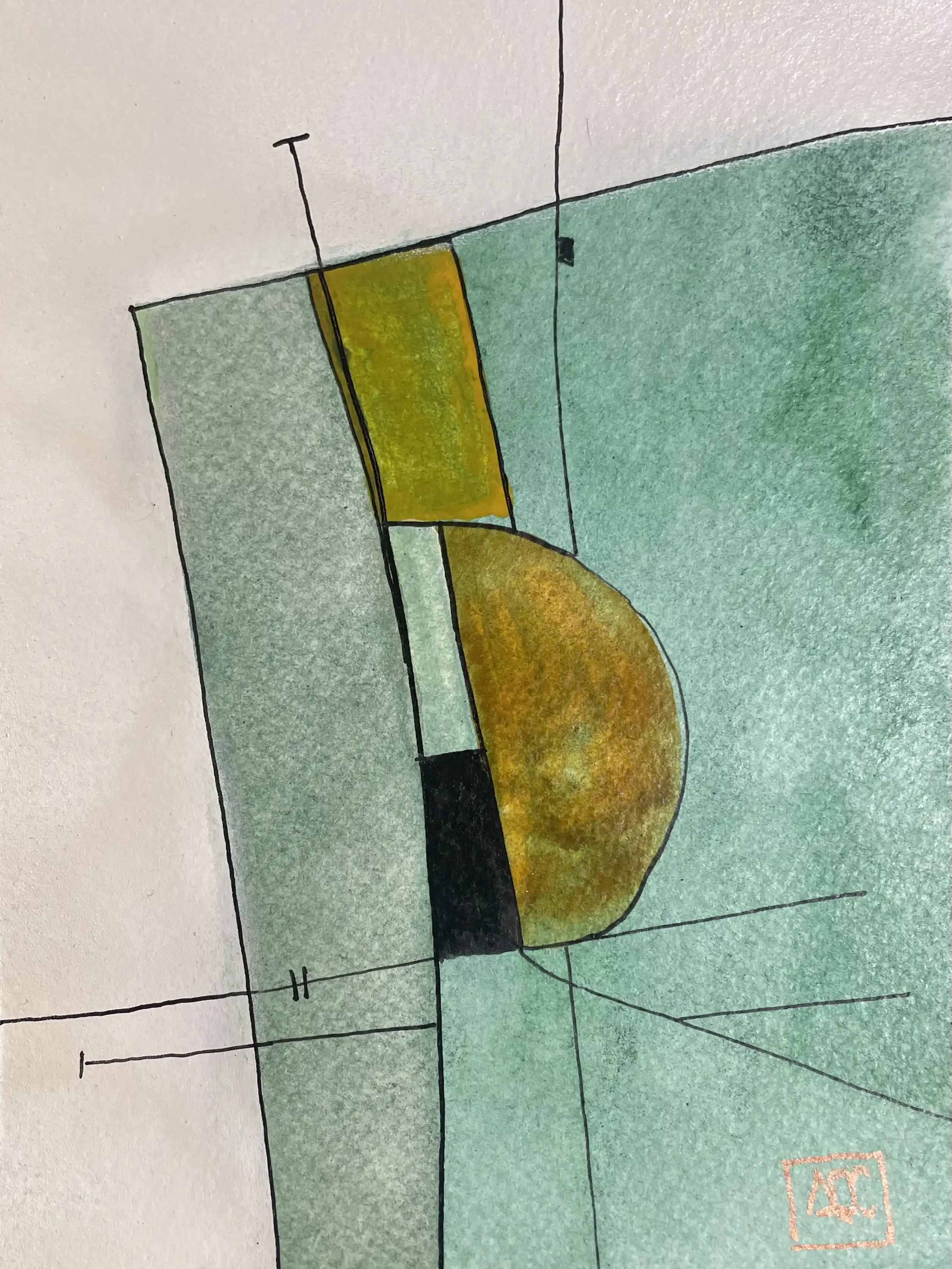
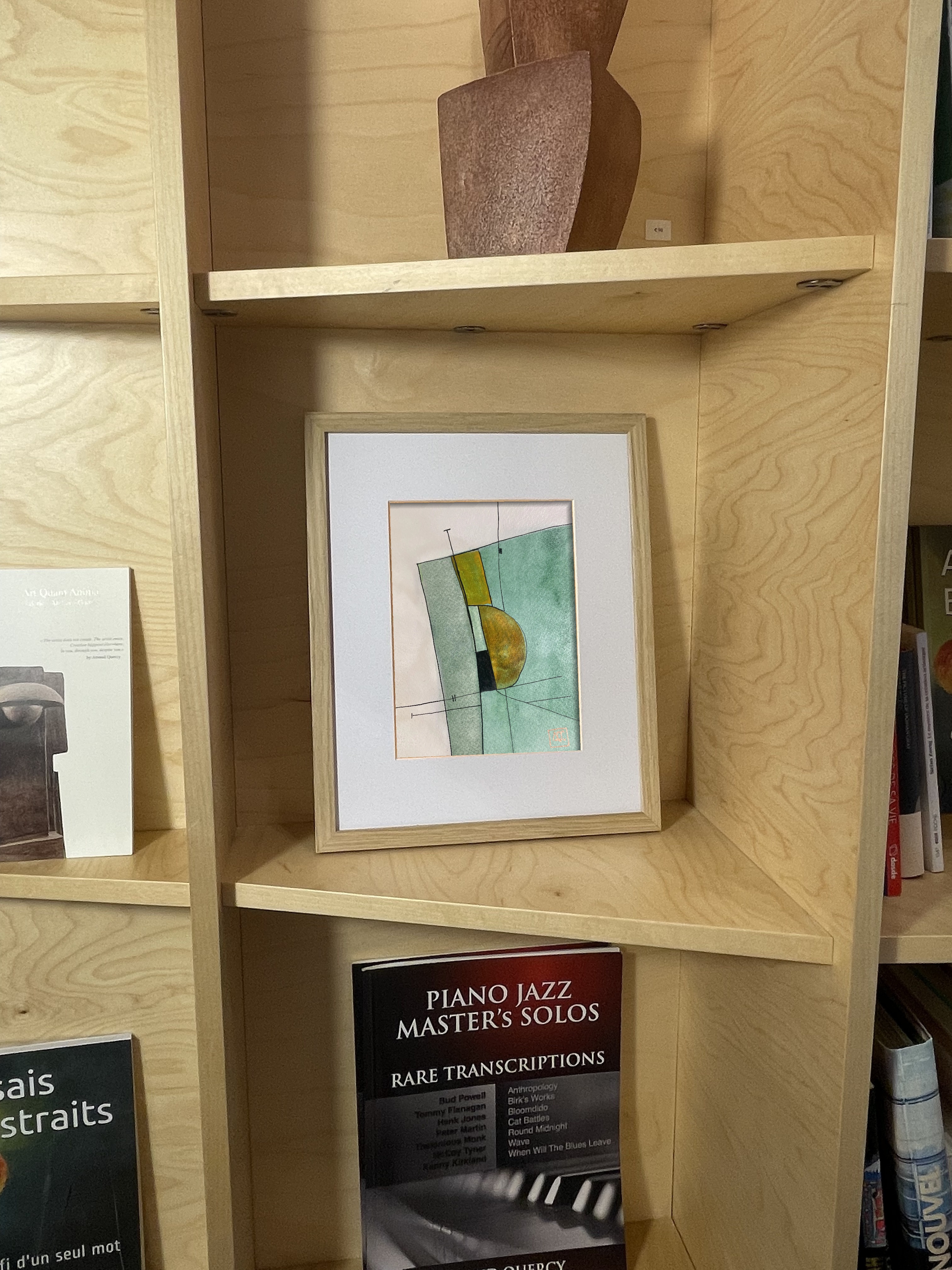 D Major - Research on Harmony - Variation 12Watercolor · 21 × 14.8 cmSold · France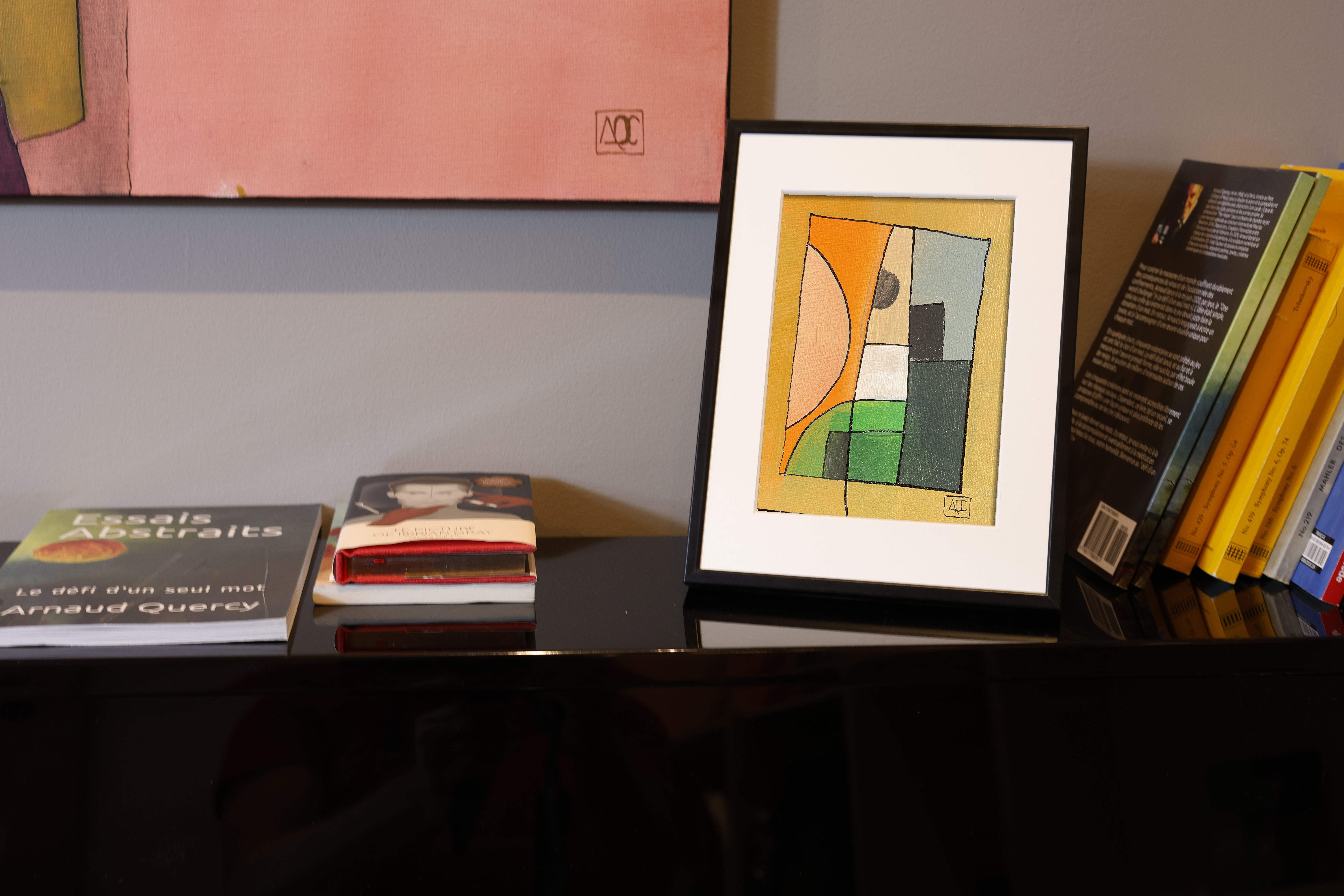
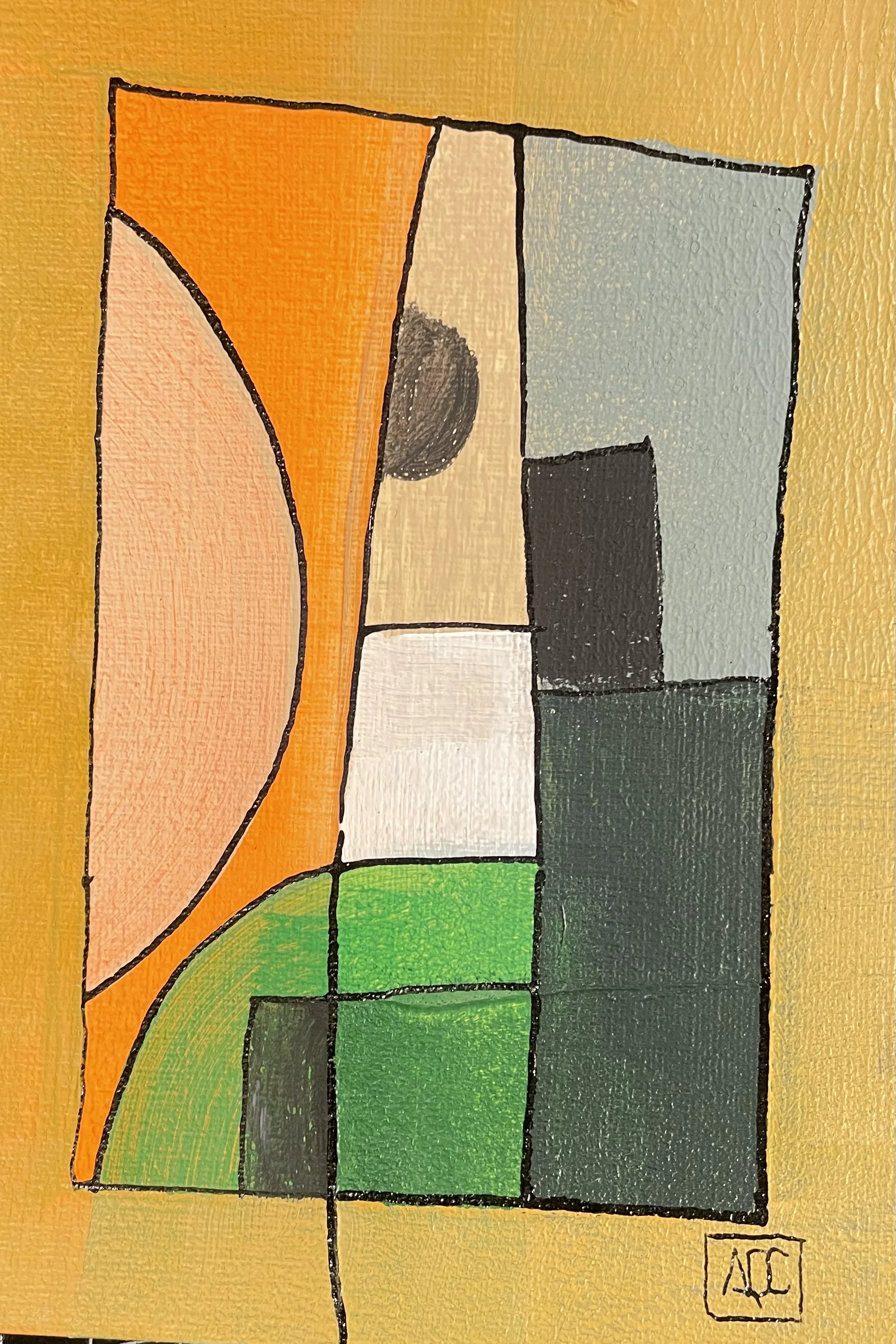
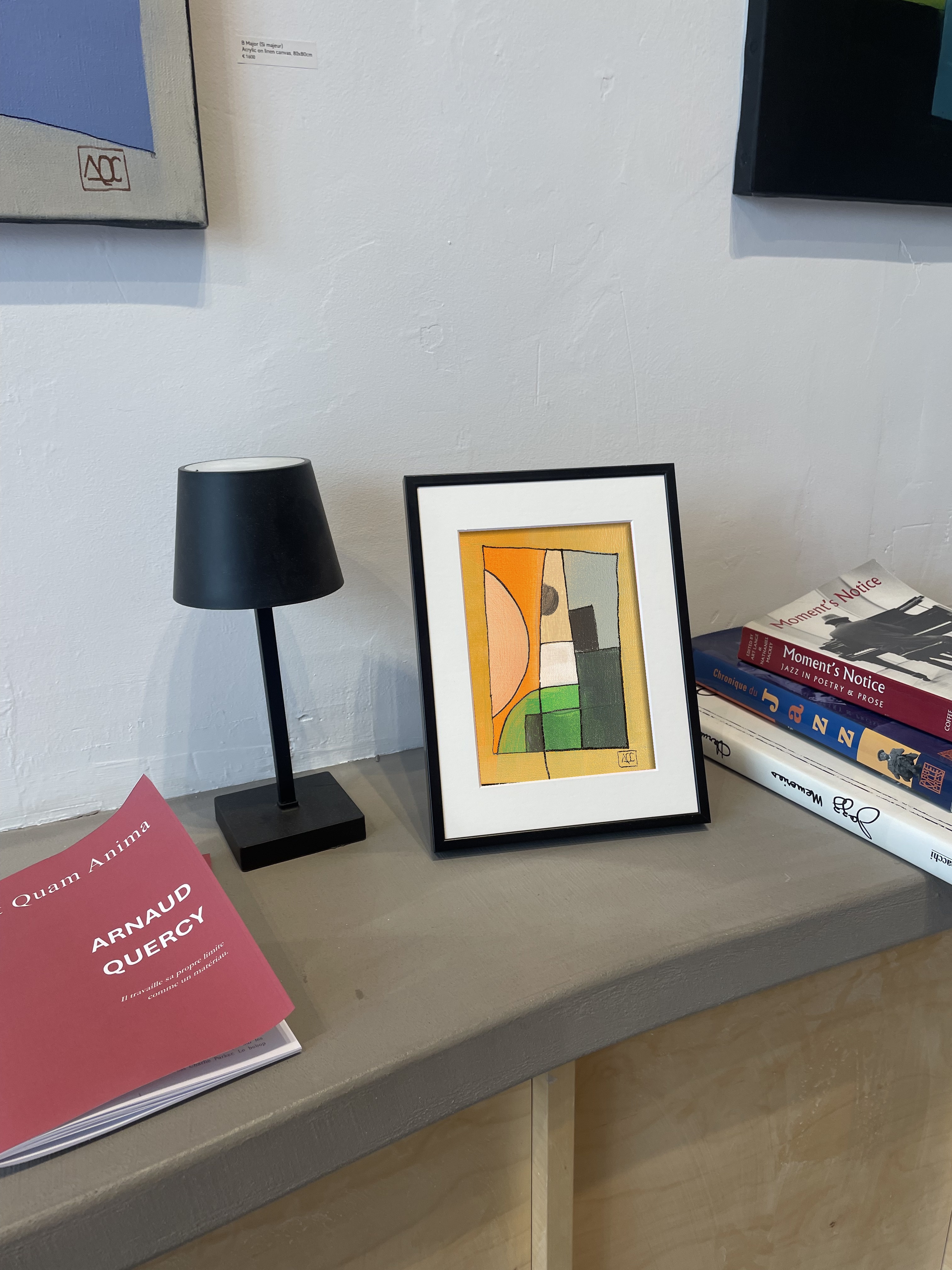 D Major - Research on Harmony - Variations 14Acrylic · 15 × 10.5 cmSold · Saint-Leu-la-Forêt, France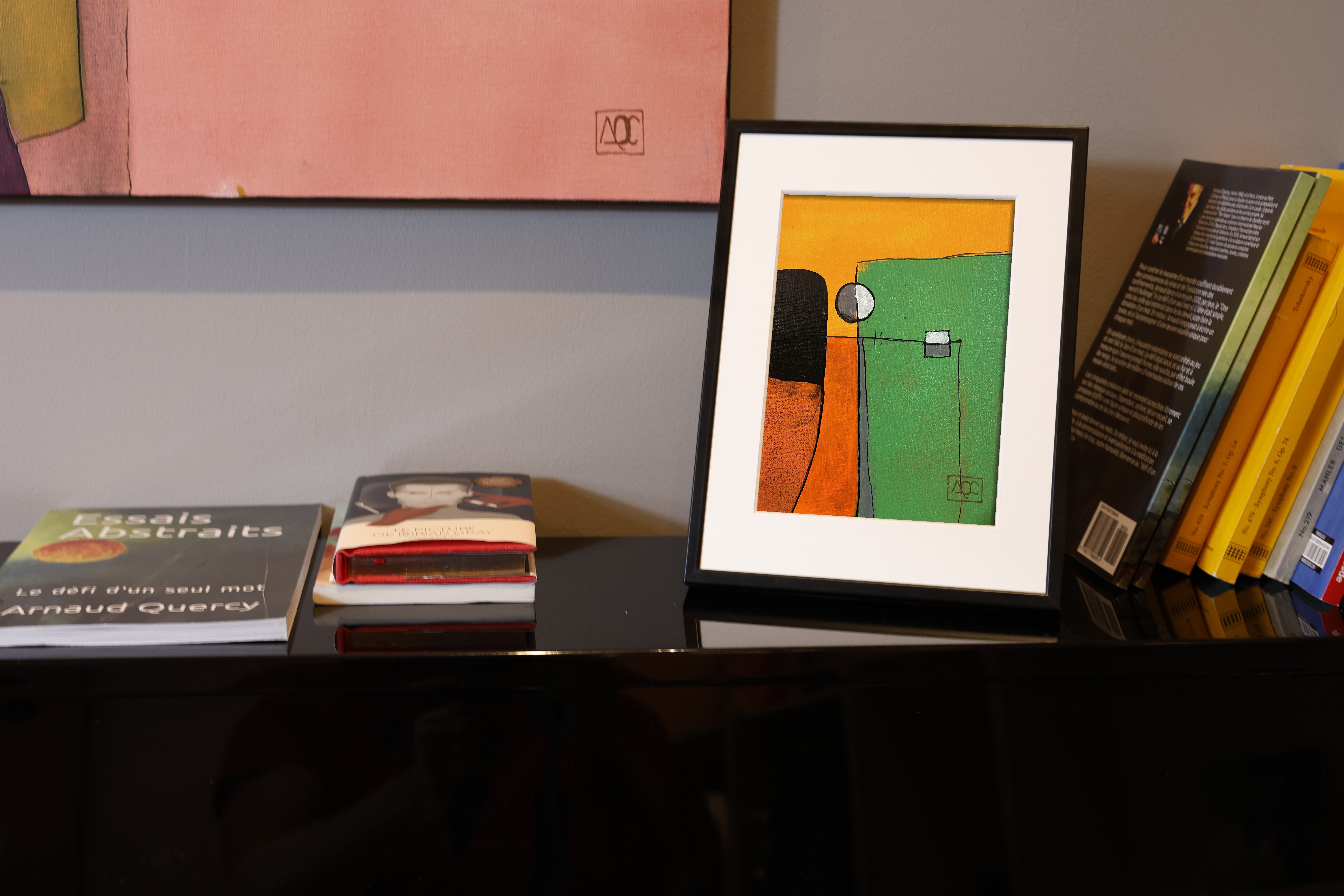
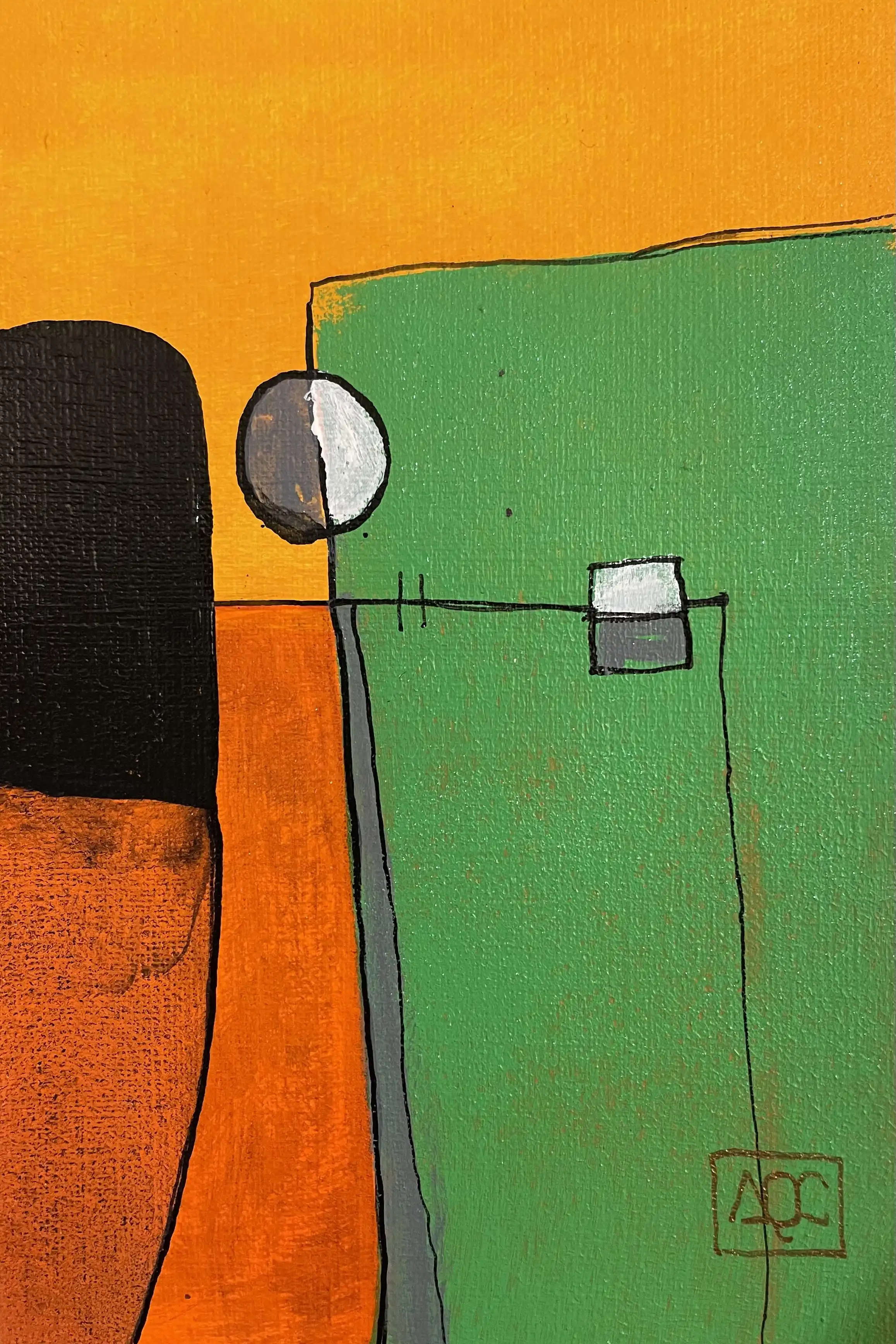
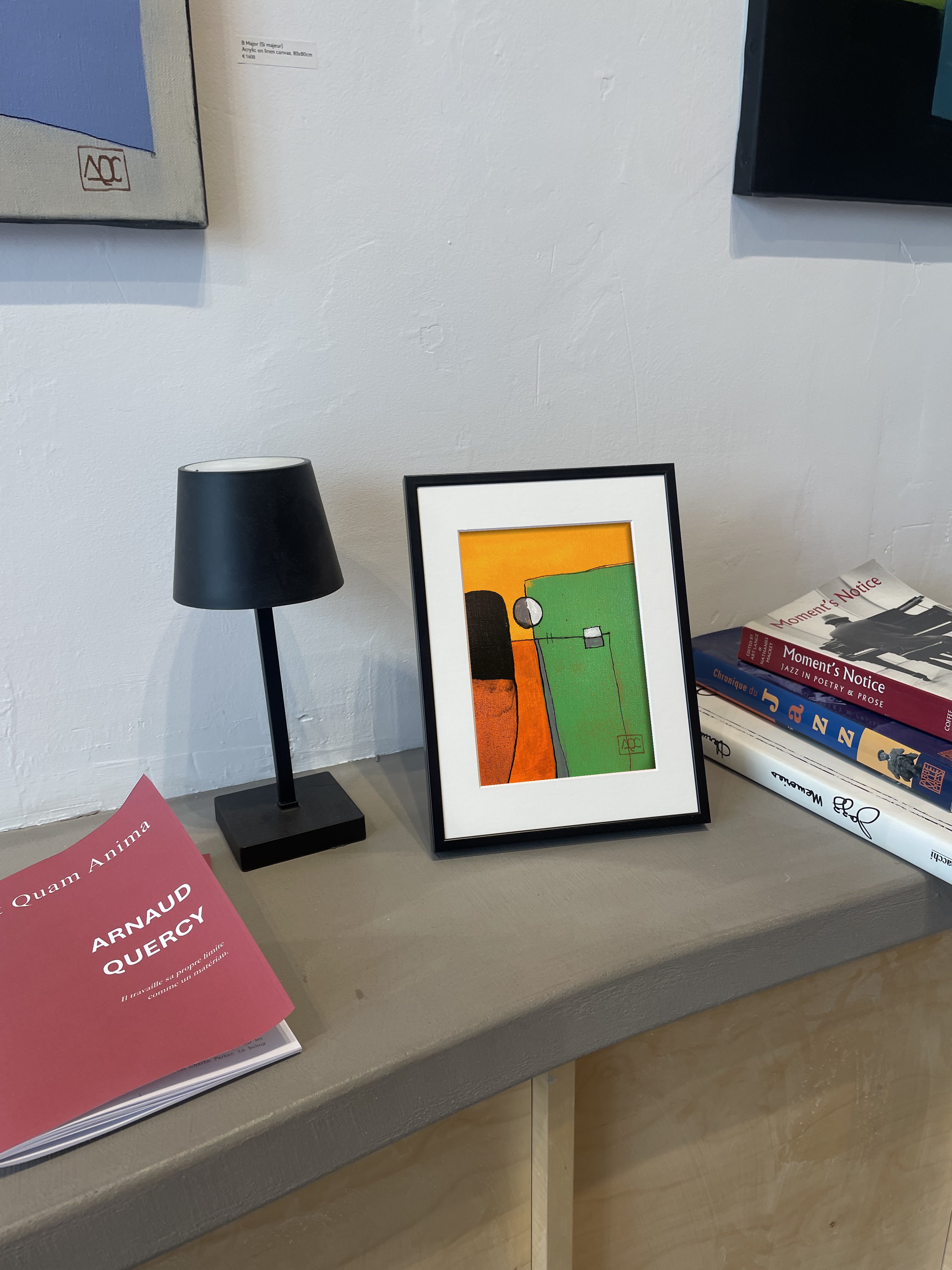 D Major - Research on HarmonyAcrylic · 15 × 10 cmSold · Paris, France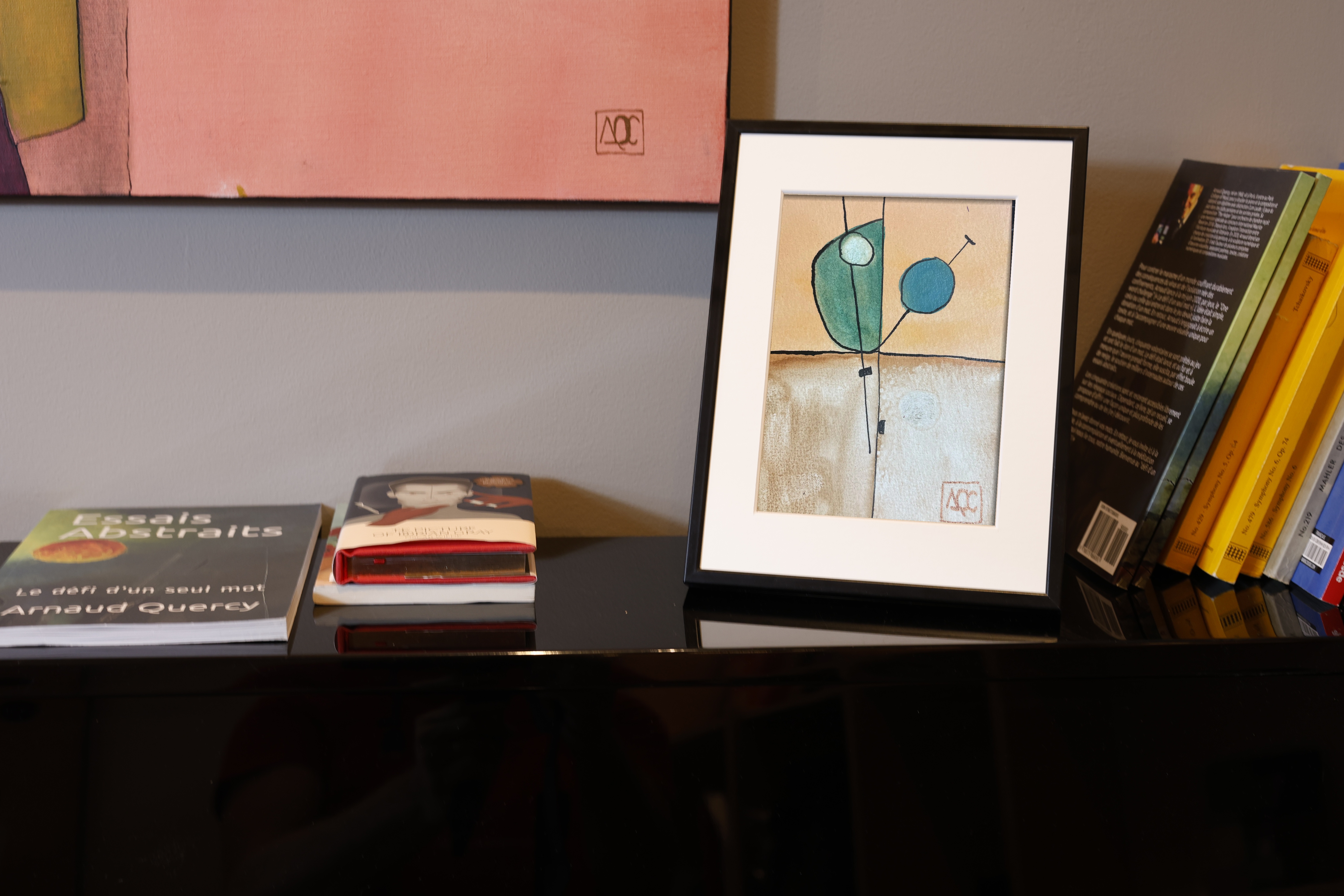
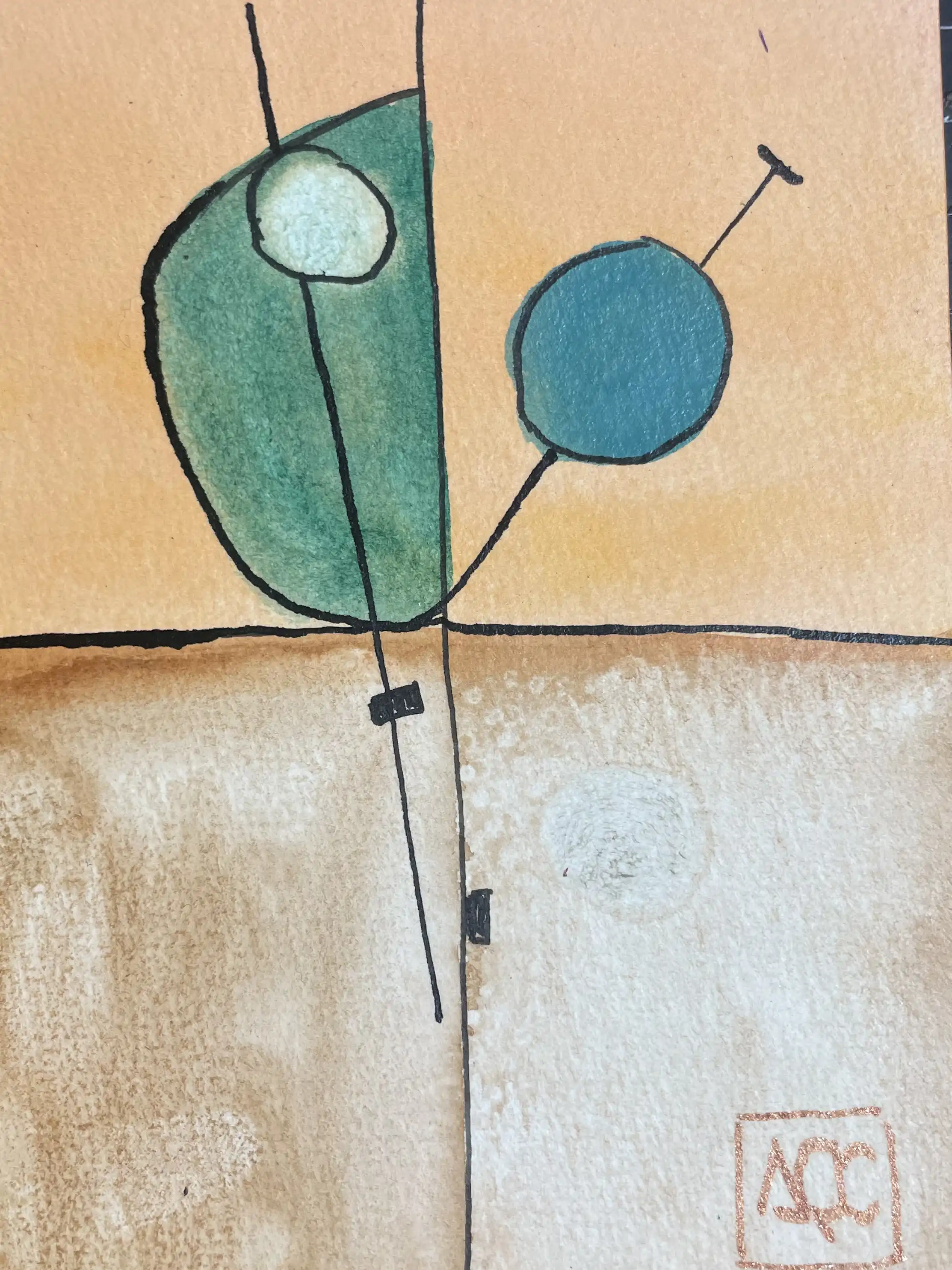
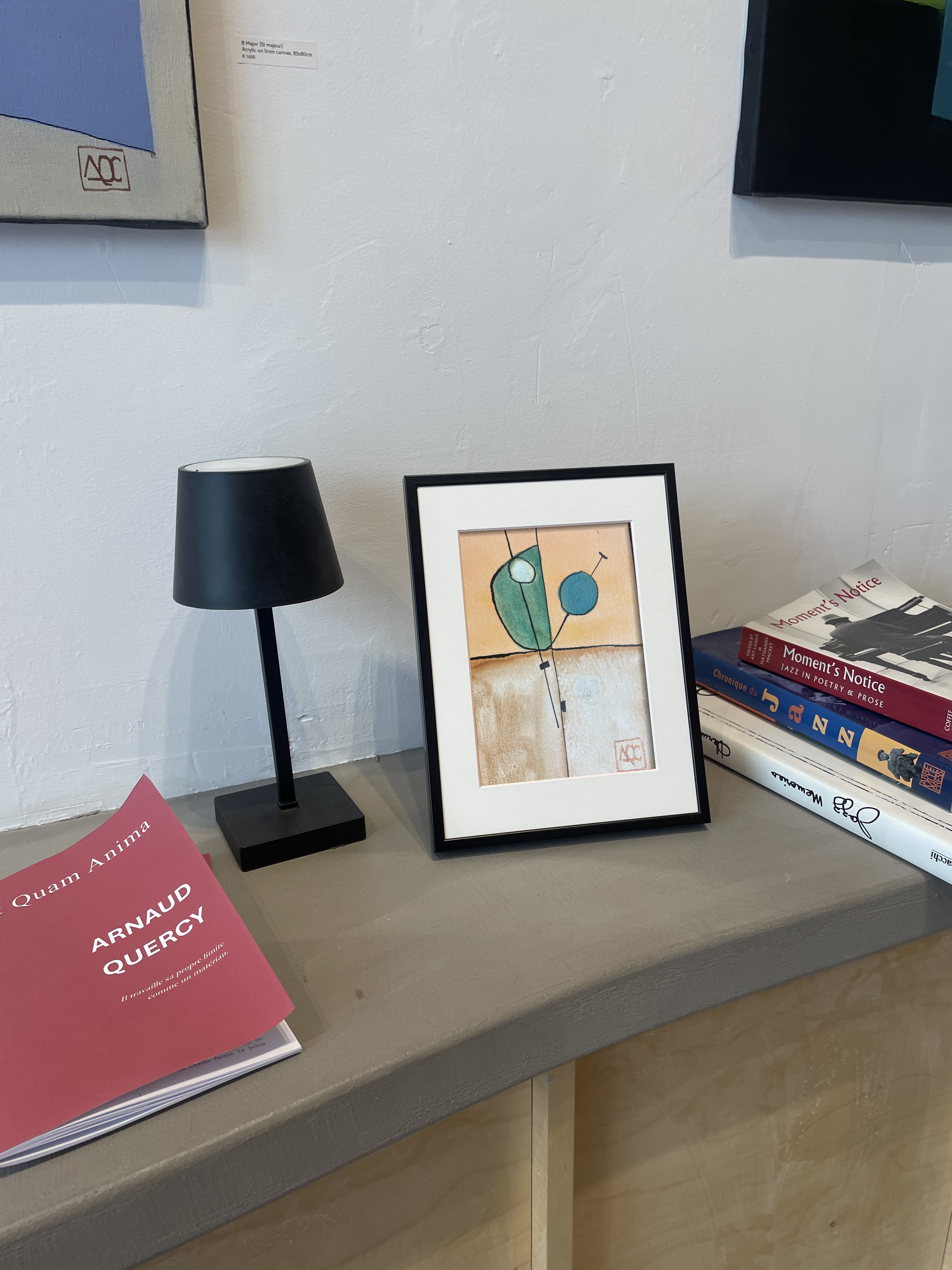 D Major - Research on Harmony - Variation 13Watercolor · 15 × 10 cmSold · Paris, France
No work matches these filters.
Hover over a country
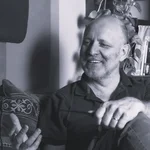
Arnaud Quercy is a Parisian artist working across painting, music, and sculpture. His practice is grounded in Ideamorphism — the principle that a work of art does not carry meaning, but triggers it. Each piece is engineered to diffract differently through each person who encounters it.
He creates and exhibits at Art Quam Anima, his gallery-atelier at 28 rue du Dragon, Saint-Germain-des-Prés, Paris.
Related hubs
- Collection: Harmonic Crossing
Exhibitions 10
- Rencontres au Marché de la Création (2024-04-23 → 2024-12-31, Marché de la Création – Paris Montparnasse, Paris)
- Salon d'art contemporain – Metamorphose, Paris (2024-12-26 → 2025-01-05, Halle des Blancs Manteaux, Paris)
- Permanent Collection 2025 – Resonance in Form (2025-01-01 → 2025-12-31, arnaudquercy.art, Paris)
- Paris Studio Visit (2025-02-18 → 2025-02-18, Artist's Studio, Paris)
- Marché d'Art Contemporain – Seine Port (2025-05-17 → 2025-05-17, MAC Seine-Port, Seine-Port)
- Nuit des Artistes, St Germain-en-Laye, France (2025-05-24 → 2025-05-24, La Nuit des Artistes, Saint-Germain-en-Laye)
- Marché de l'Art de Saint-Germain-en-Laye, 17ème édition – France (2025-06-14 → 2025-06-14, Marché de l'Art, Saint-Germain-en-Laye)
- Salon d'art contemporain – Metamorphose 2025–2026, Paris (2025-12-26 → 2026-01-04, Halle des Blancs Manteaux, Paris)
- Art Quam Anima – Pre-opening (2026-01-31 → 2026-02-28, Art Quam Anima, Paris)
- Through the Aperture — Research on Harmony (2026-03-09 → 2026-04-30, Art Quam Anima, Paris)
Other series in this collection 35
Documented at 1
Catalogue raisonné entries 18
- D Major - Research on Harmony
- D Major - Research on Harmony - Variation 1
- D Major - Research on Harmony - Variation 2
- D Major - Research on Harmony - Variation 3
- D Major - Research on Harmony - Variation 4
- D Major - Research on Harmony - Variation 5
- D Major - Research on Harmony - Variation 6
- D Major - Research on Harmony - Variation 7
- D Major - Research on Harmony - Variation 8
- D Major - Research on Harmony - Variation 9
- D Major - Research on Harmony - Variation 10
- D Major - Research on Harmony - Variation 11
- D Major - Research on Harmony - Variation 12
- D Major - Research on Harmony - Variation 13
- D Major - Research on Harmony - Variations 14
- D Major - Research on Harmony - Variations 15
- Watercolor Study in D Major No. 3
- D Major - Research on Harmony - Variations 16