Octaves series — 27 Paintings by Arnaud Quercy
ART-SER0048
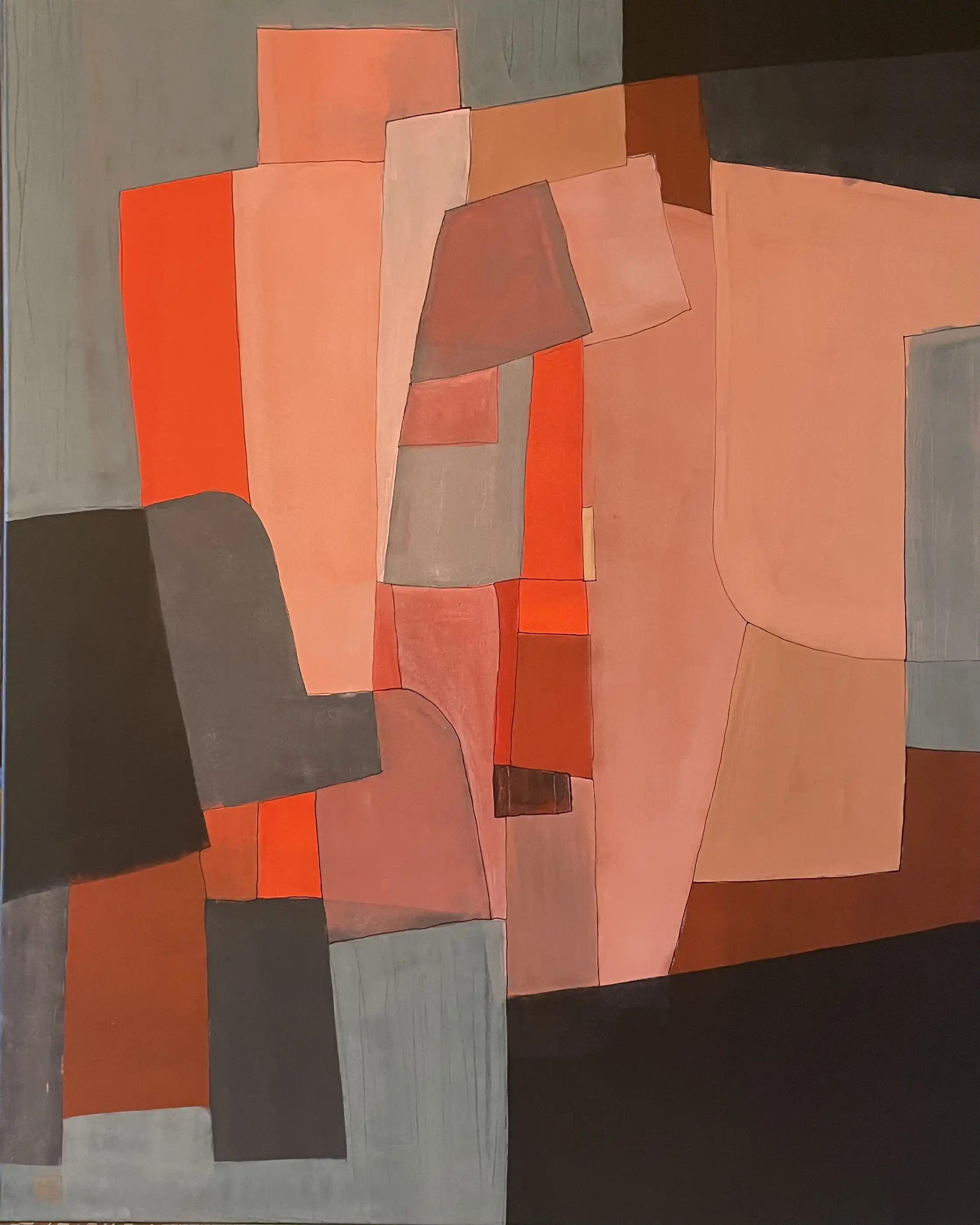
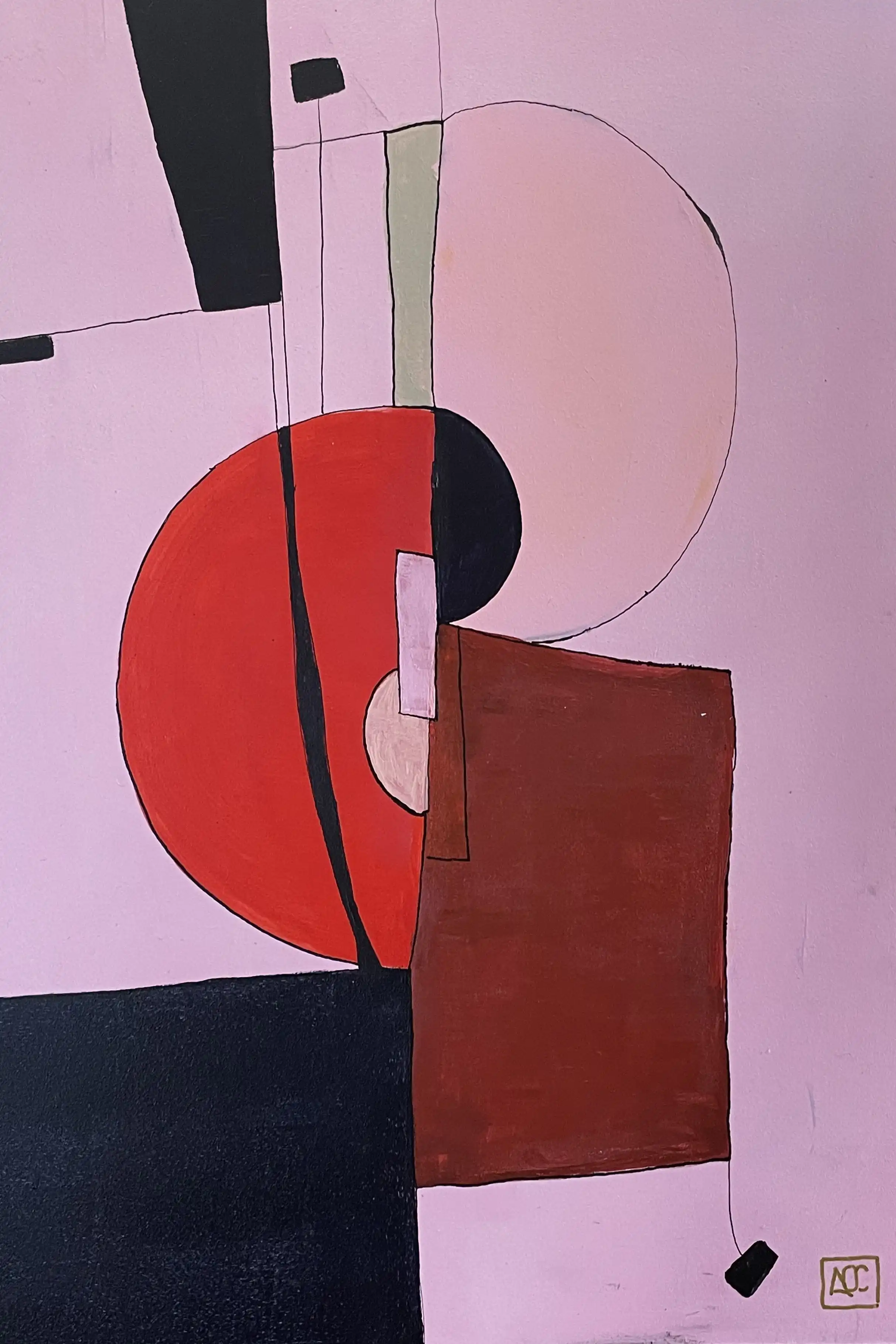
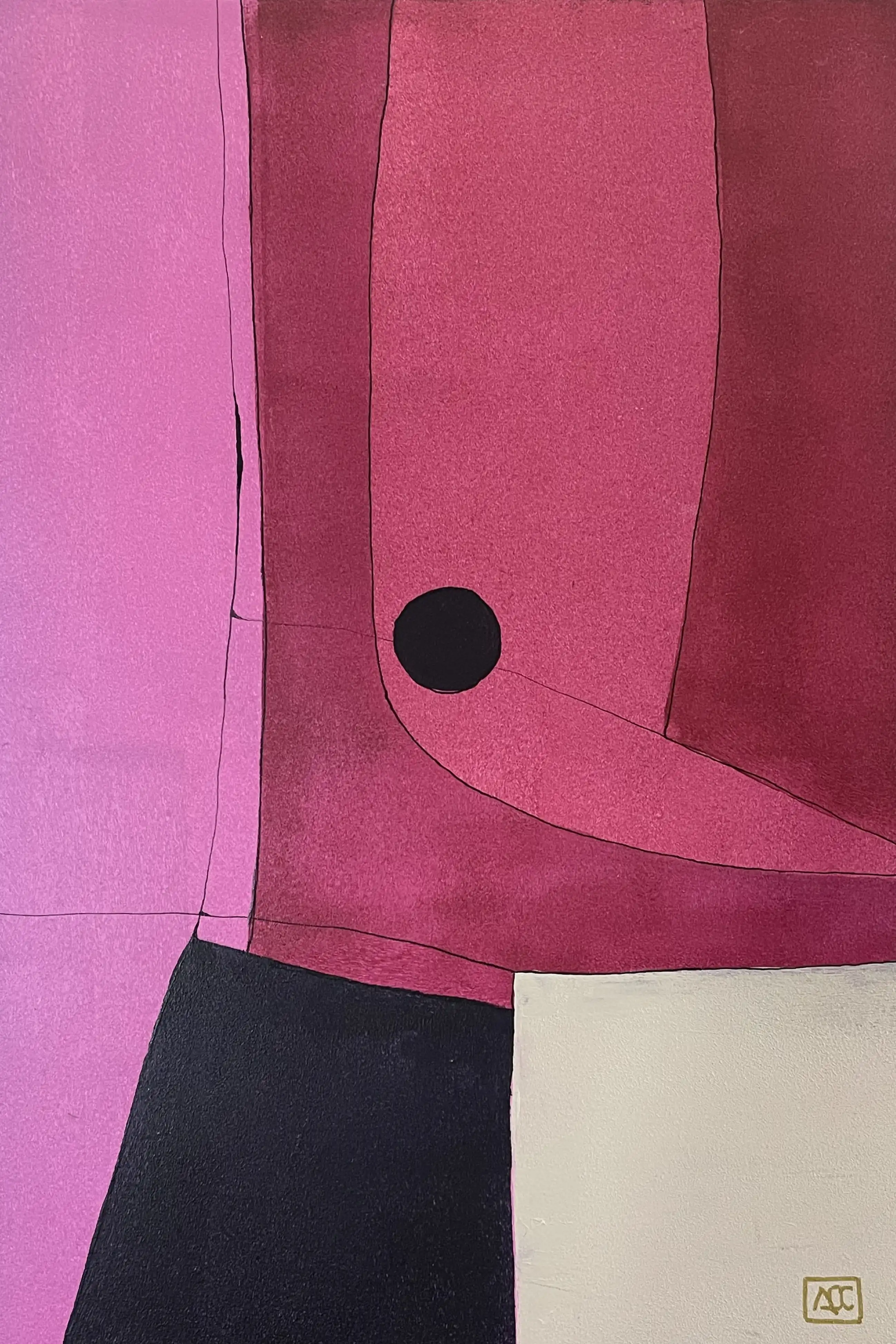
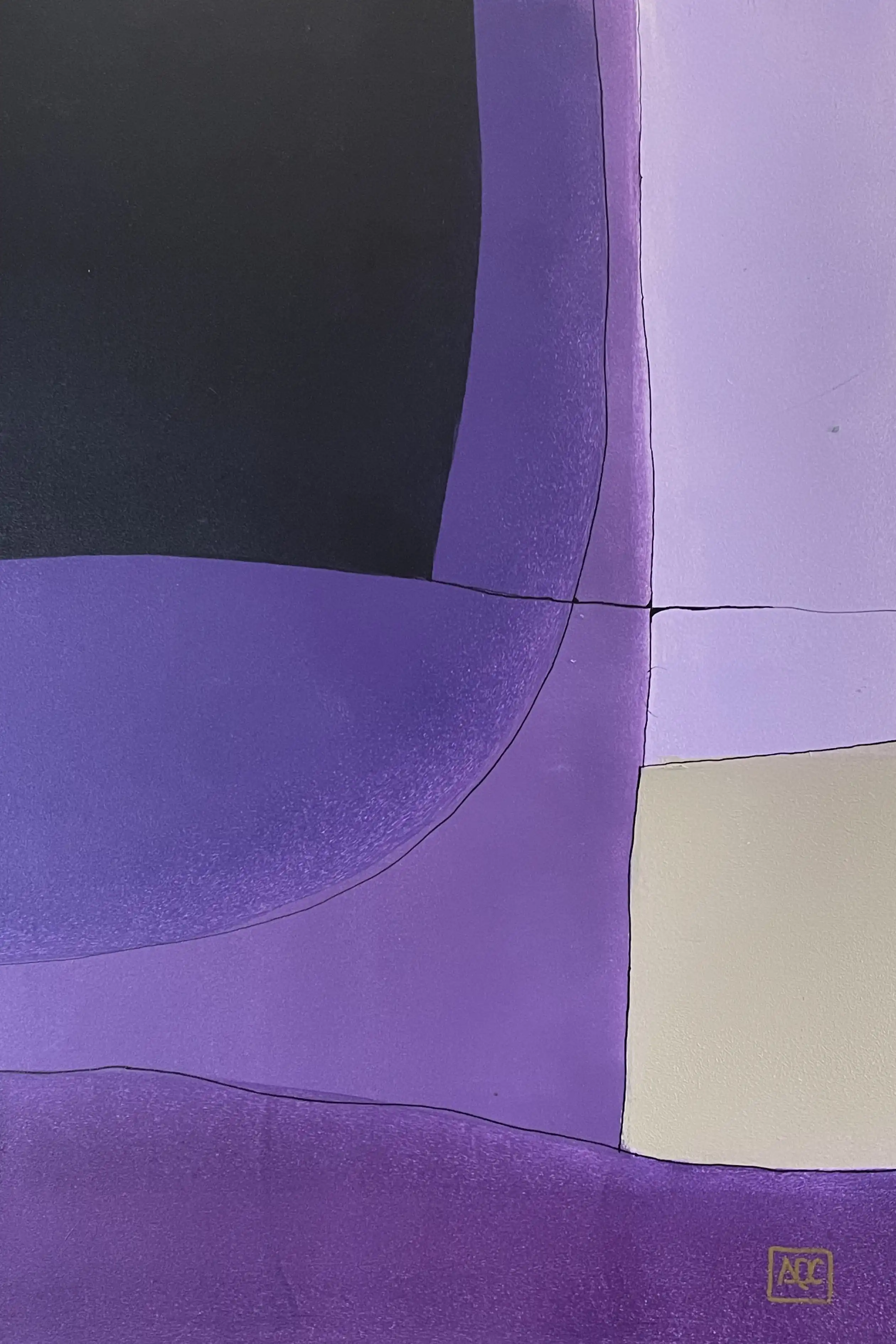
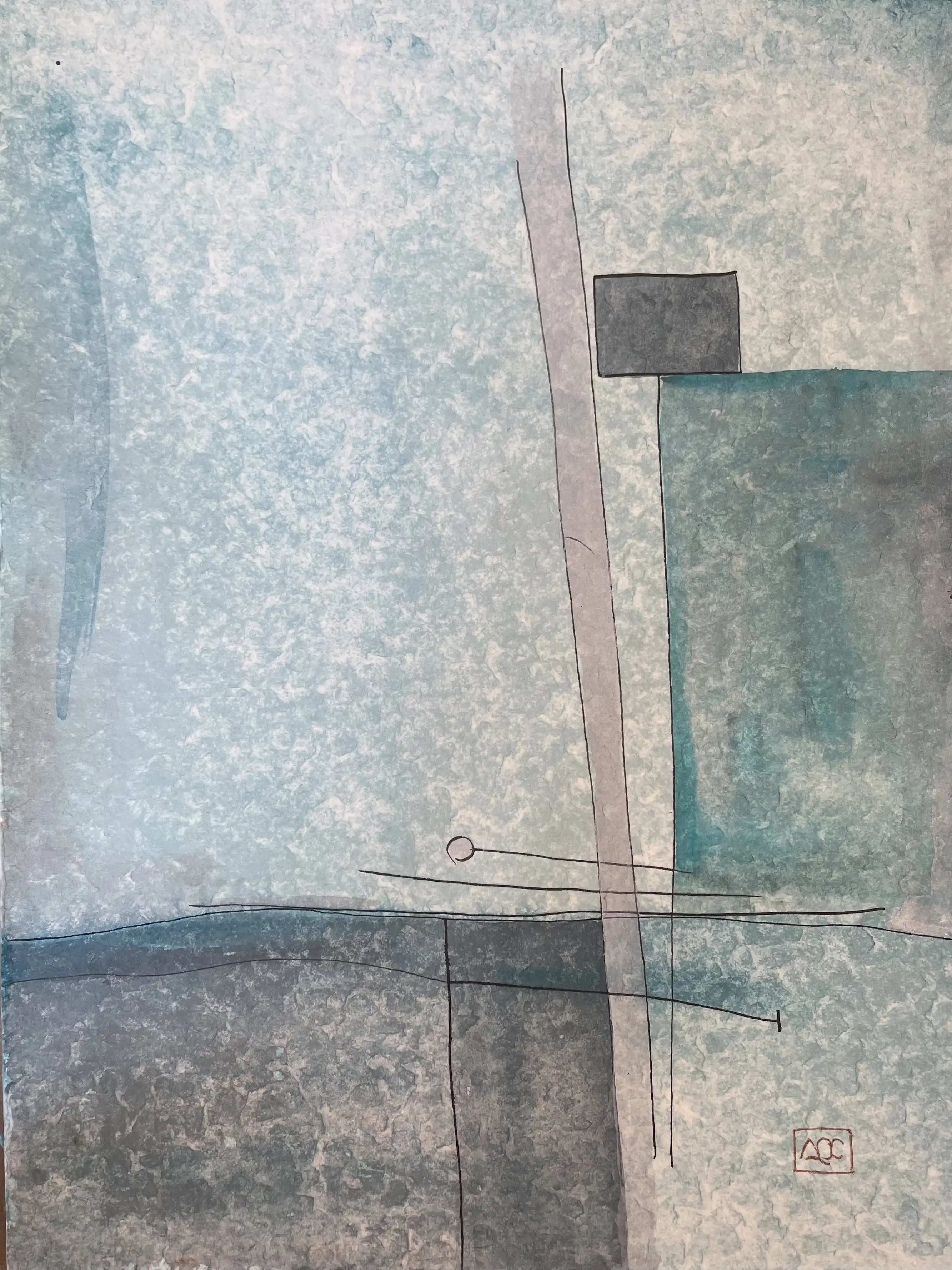
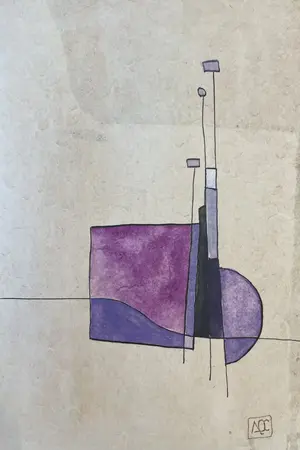
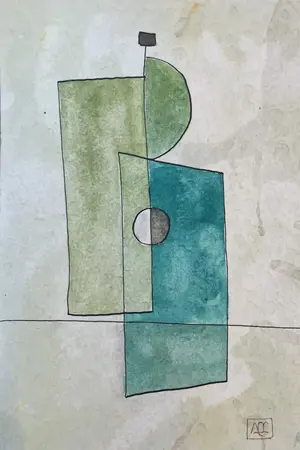
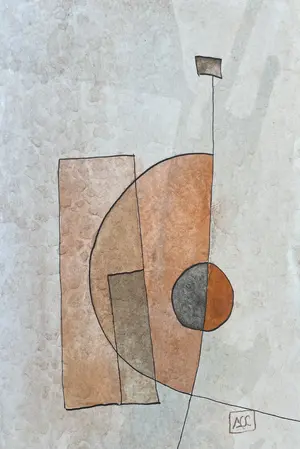
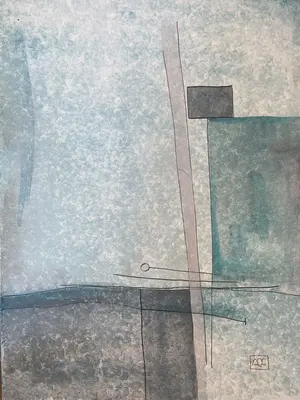
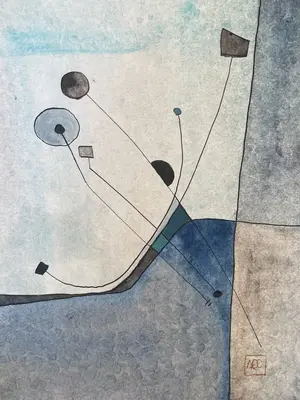
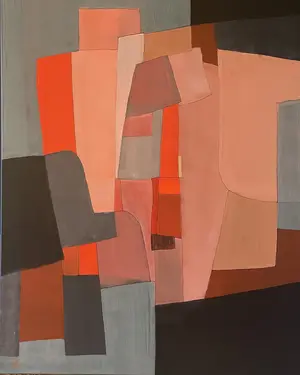
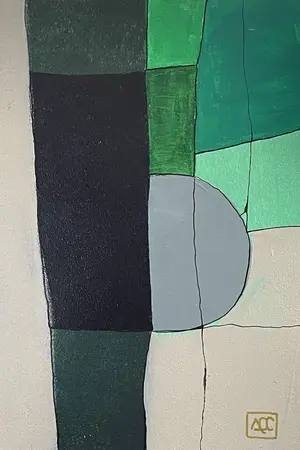
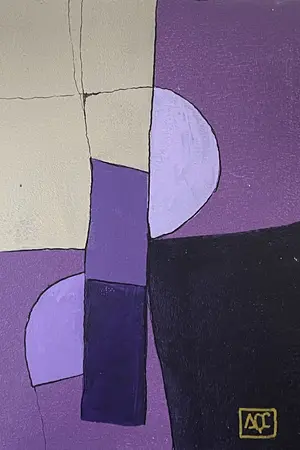
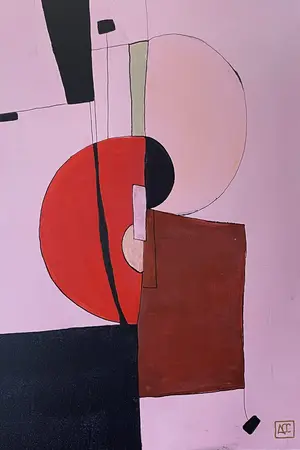
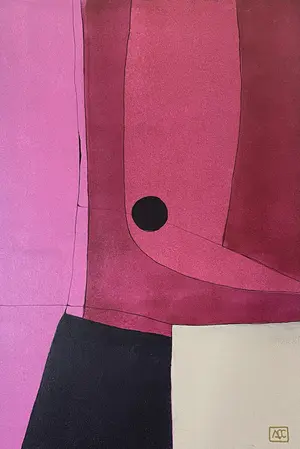
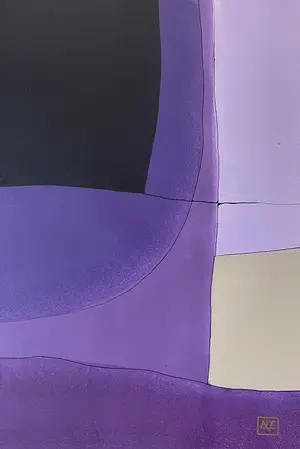
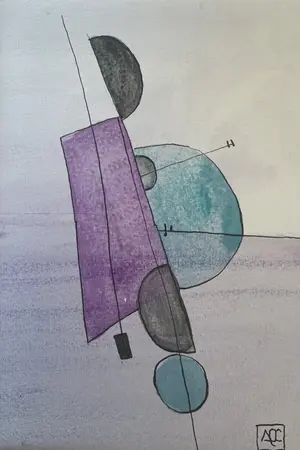
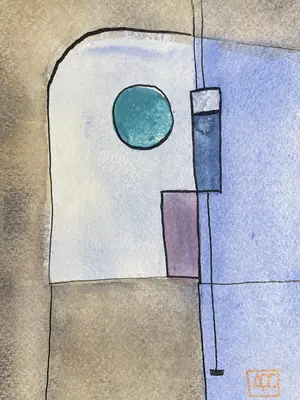
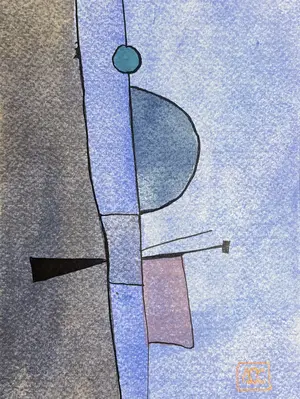
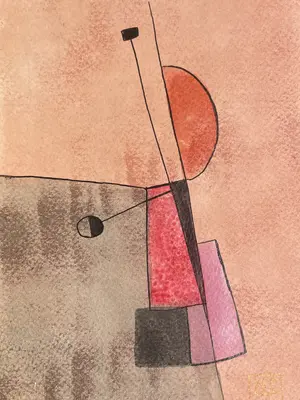
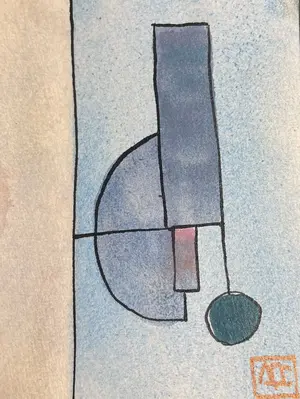
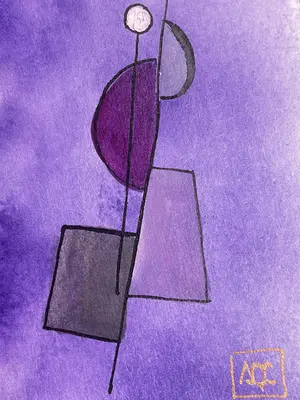
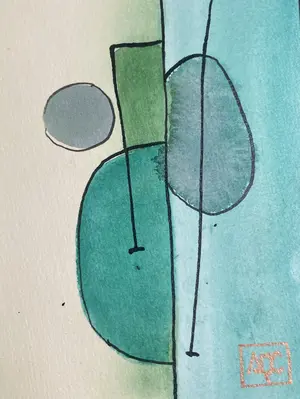
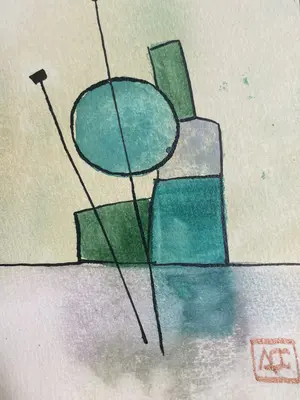
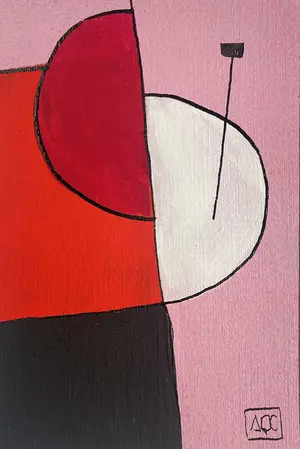
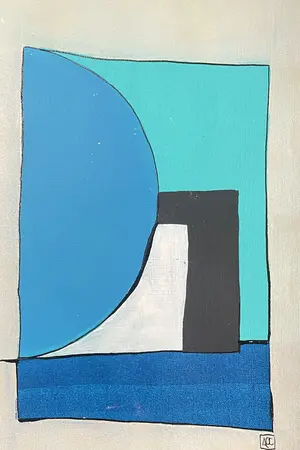
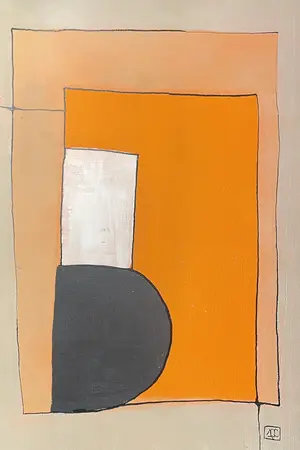
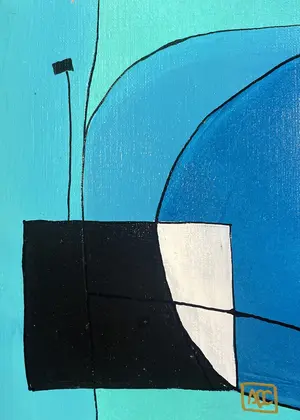
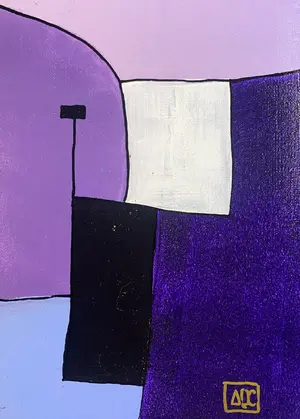
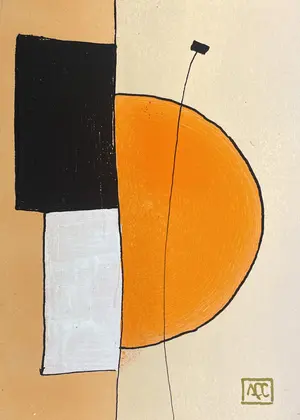
Octaves is a series of 27 paintings by Arnaud Quercy, created between 2024 and 2025 in acrylic on linen canvas, acrylic on paper, acrylic on wood panel and watercolor on paper. Formats range from 10×15 cm to 81×100 cm. 23 works are held in private collections (Paris, France, Le Chesnay, France, Melbourne, Australia, Germany, Dallas, USA, Chicago, USA, San-Francisco, USA, Dubai, UAE, Russia, Guadalupe, Mexico, Issy-les-Moulineaux, France, Saint-Michel-le-Cloucq, France, Geay, France, New-York, USA, Montreal, Canada, Shnaghai, China). 1 remains available for acquisition at Art Quam Anima, 28 rue du Dragon, Paris. Works presented at: Rencontres au Marché de la Création, Salon d'art contemporain – Metamorphose, Paris and Permanent Collection 2025 – Resonance in Form and 7 more.
The octave is the most elemental interval in music — the same pitch at double the frequency, a note recognizing itself in another register. Before harmony existed, there was the octave: Gregorian chant doubled at the upper eighth, organum filling the nave with a single pitch at two heights. Erik Satie built Gymnopédies from bare octaves in the bass, each repetition a meditation rather than a progression. The octave does not argue with itself. It simply is, at different distances from the ground.
In harmonic-chromatic translation, the octave does not produce a palette — it produces a gradient. Each pitch has a single color, and what register does is modulate that color from near-black in the deep bass to near-white in the upper treble. C gives red, darkening toward black at C1 and bleaching toward gray at C6. F gives red-violet, five consecutive octaves of the same hue ranging from darkness to saturation to pale. Ab gives blue, cool and constant, compressing toward gray in the sub-bass and lightening as it climbs. F# gives green. D gives orange. Bb gives violet. G gives red-orange. Db gives blue-green. Eb gives blue-violet. The painting of an octave study is always, at its core, a monochrome — a single color, interrogated at depth.
Arnaud Quercy explores this monochrome logic across twenty-seven études, spanning nine different pitches and every register the piano offers. The series divides between pure studies — where a single pitch occupies every note — and accent studies, where outside tones appear as visitors: warm intrusions in cool keys, cool interruptions in warm ones. Most études are played Animé at a soft p or mp, their contours arching or valley-shaped, legato in three or four. A smaller number are Lent, meditative, their phrases folding more slowly. One Modéré étude (AQC0792) marks the only measured tempo in the series. Note counts range from three to nine — the sparsest étude barely a phrase, the densest a dense ascending waltz through every region of the keyboard. The series holds the full range: from the near-silence of a three-note D study to the nine-note Ab étude where five accent tones crowd the upper registers.
Three études illustrate the series’ range. AQC0793 — five consecutive F octaves, F1 through F5, no accents — is the purest work in the collection: one pitch, one color, nothing else. The canvas is a five-step gradient of red-violet, monochrome in the truest sense, the phrase an arch through five different depths of the same hue. It is, as one description puts it, "the purest étude in the Octaves collection." AQC0806 occupies the opposite pole: nine notes, four Ab tones across four octaves, five accent tones crowding the upper registers in violet, red, orange, yellow-orange, and blue-violet. The blue of Ab persists through it all, but the visitors are louder — the painting a dense harmonic-chromatic map where the pitch’s own color becomes a recurring thread rather than a dominant field. Between these extremes, AQC0682 offers the series’ most distilled statement: three notes — D2, D4, D5 — no accents, pure orange in three registers. The artist’s description calls it "the octave as meditation, the phrase barely moving, the painting nearly empty."
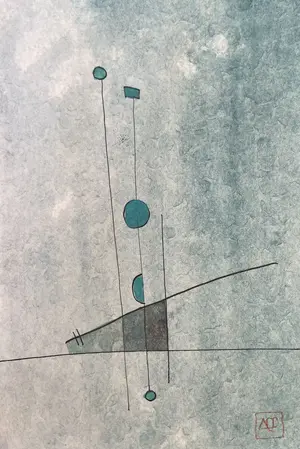
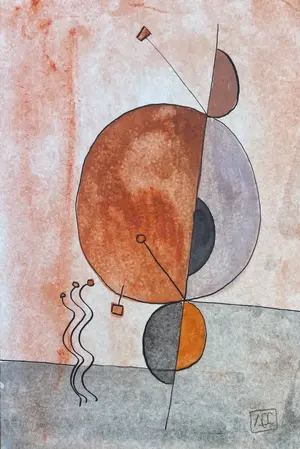
On the canvas, each octave study presents its defining hue at three or more depths simultaneously. The viewer encounters not a chord’s competing colors but a single color’s autobiography: how it darkens toward absence at the keyboard’s bottom, how it saturates in the middle registers, how it bleaches or shifts in the extreme treble. The accent tones — when present — read as visitors, warm interruptions in a cool study or cool glints in a warm one, their color a reminder that the painted note does not exist in isolation from the larger harmonic-chromatic world. Studies built around cool pitches (Ab, Db, F#, Bb, Eb) carry a fundamentally different visual temperature from those built on warm ones (C, D, F, G), and the series holds both in equal measure.
The Octaves series asks a question none of the other series in Harmonic Crossing can ask: what happens when harmony is set aside entirely? The harmonic-chromatic practice, which elsewhere maps the competing colors of chord tones, here confronts the irreducible unit. One note. One color. The register does the rest. More than half the series has entered private collections in France, Australia, Mexico, and beyond — the monochrome travelling quietly, each canvas a single pitch carrying its color to a different room.
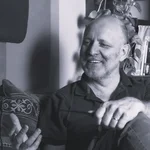
Arnaud Quercy is a Parisian artist working across painting, music, and sculpture. His practice is grounded in Ideamorphism — the principle that a work of art does not carry meaning, but triggers it. Each piece is engineered to diffract differently through each person who encounters it.
He creates and exhibits at Art Quam Anima, his gallery-atelier at 28 rue du Dragon, Saint-Germain-des-Prés, Paris.
Works — Octaves
Related hubs
- Collection: Harmonic Crossing
Exhibitions 10
- Permanent Collection 2025 – Resonance in Form (2025-01-01 → 2025-12-31, arnaudquercy.art, Paris)
- Paris Studio Visit (2025-02-18 → 2025-02-18, Artist's Studio, Paris)
- Marché d'Art Contemporain – Seine Port (2025-05-17 → 2025-05-17, MAC Seine-Port, Seine-Port)
- Rencontres au Marché de la Création (2024-04-23 → 2024-12-31, Marché de la Création – Paris Montparnasse, Paris)
- Salon d'art contemporain – Metamorphose, Paris (2024-12-26 → 2025-01-05, Halle des Blancs Manteaux, Paris)
- Nuit des Artistes, St Germain-en-Laye, France (2025-05-24 → 2025-05-24, La Nuit des Artistes, Saint-Germain-en-Laye)
- Marché de l'Art de Saint-Germain-en-Laye, 17ème édition – France (2025-06-14 → 2025-06-14, Marché de l'Art, Saint-Germain-en-Laye)
- Salon d'art contemporain – Metamorphose 2025–2026, Paris (2025-12-26 → 2026-01-04, Halle des Blancs Manteaux, Paris)
- Art Quam Anima – Pre-opening (2026-01-31 → 2026-02-28, Art Quam Anima, Paris)
- Through the Aperture — Research on Harmony (2026-03-09 → 2026-05-30, Art Quam Anima, Paris)
Other series in this collection 35
Documented at 1
Catalogue raisonné entries 27
- Db Octaves - Reflexions 11
- C Octaves - Reflexions 13
- Ab Octaves - Reflexions 14
- F# Octaves - Reflexions 15
- D Octaves - Reflexions 16
- Ab Octaves - Reflexions 19
- Ab Octaves - Reflexions 20
- C Octaves - Reflexions 23
- Fsharp Octaves - Reflexions 24
- Bb Octaves - Reflexions 25
- C Octaves - Reflexions 26
- F Octaves - Reflexions 27
- Bb Octaves - Reflexions 28
- Bb Octaves - Reflexions 30
- Ab Octaves - Reflexions 31
- Ab Octaves - Reflexions 32
- C Octaves - Reflexions 35
- Ab Octaves - Reflexions 33
- Bb Octaves - Reflexions 34
- F# Octaves - Reflexions 36
- F# Octaves - Reflexions 37
- C Octaves - Research on Harmony - Reflections 38
- Db Octaves - Research on Harmony - Reflections 39
- G Octaves - Research on Harmony - Reflections 40
- Db Octaves - Research on Harmony - Reflections 41
- Eb Octaves - Research on Harmony - Reflections 42
- D Octaves - Research on Harmony - Reflections 43