Explorations Synesthésiques collection — 417 Œuvres dans 36 séries d’Arnaud Quercy
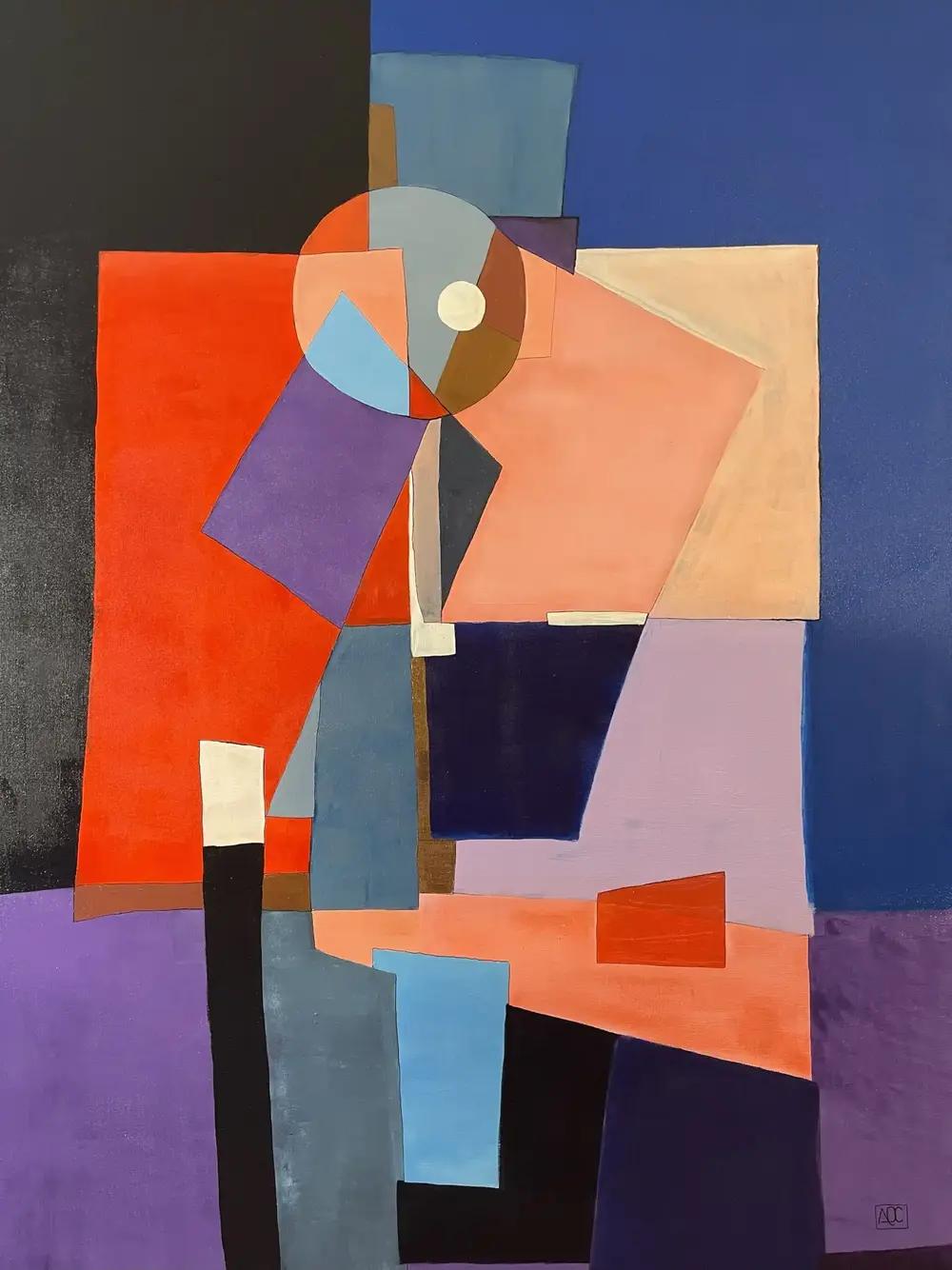
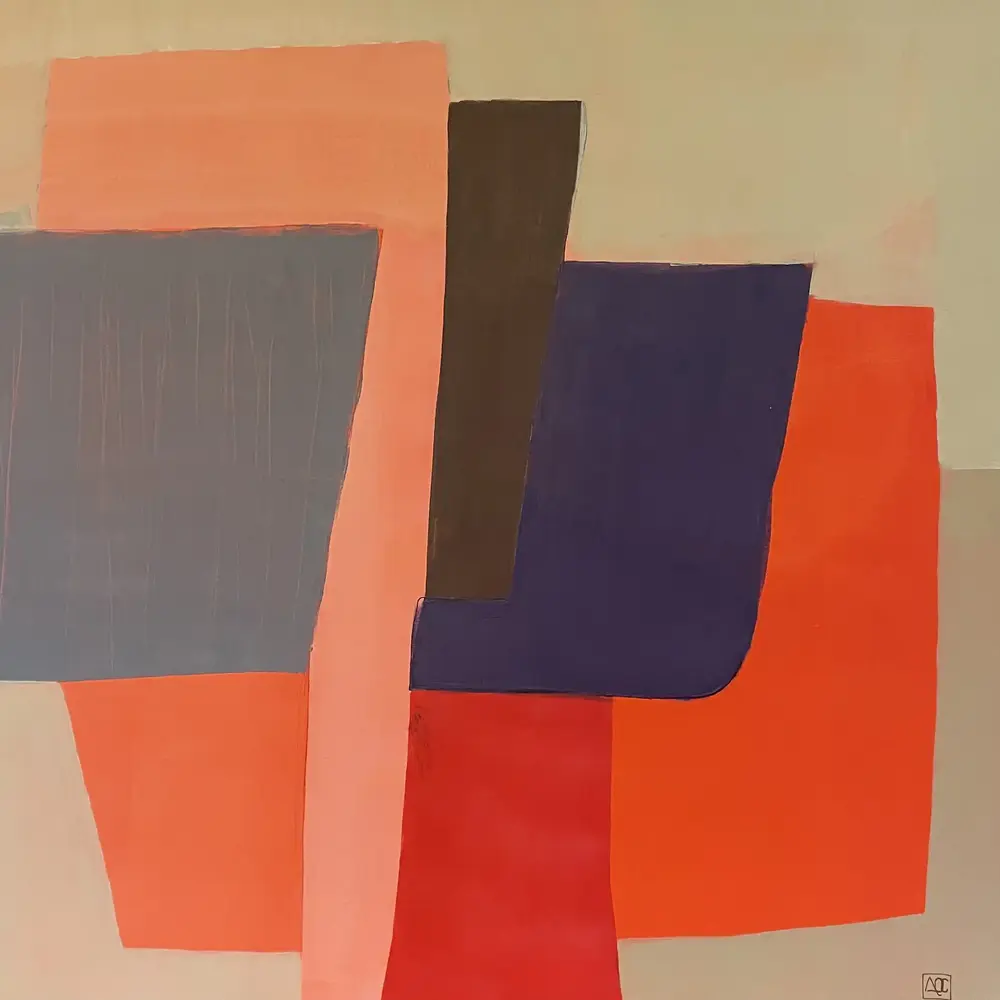
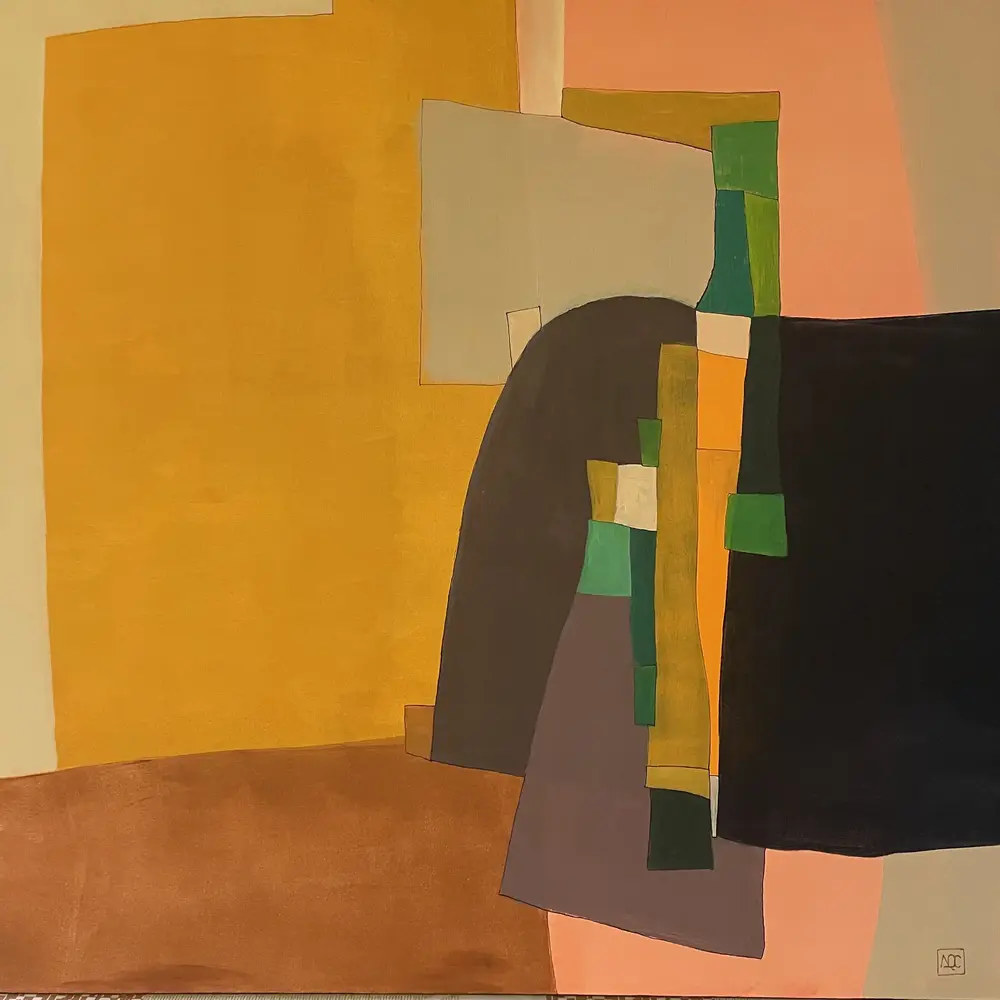
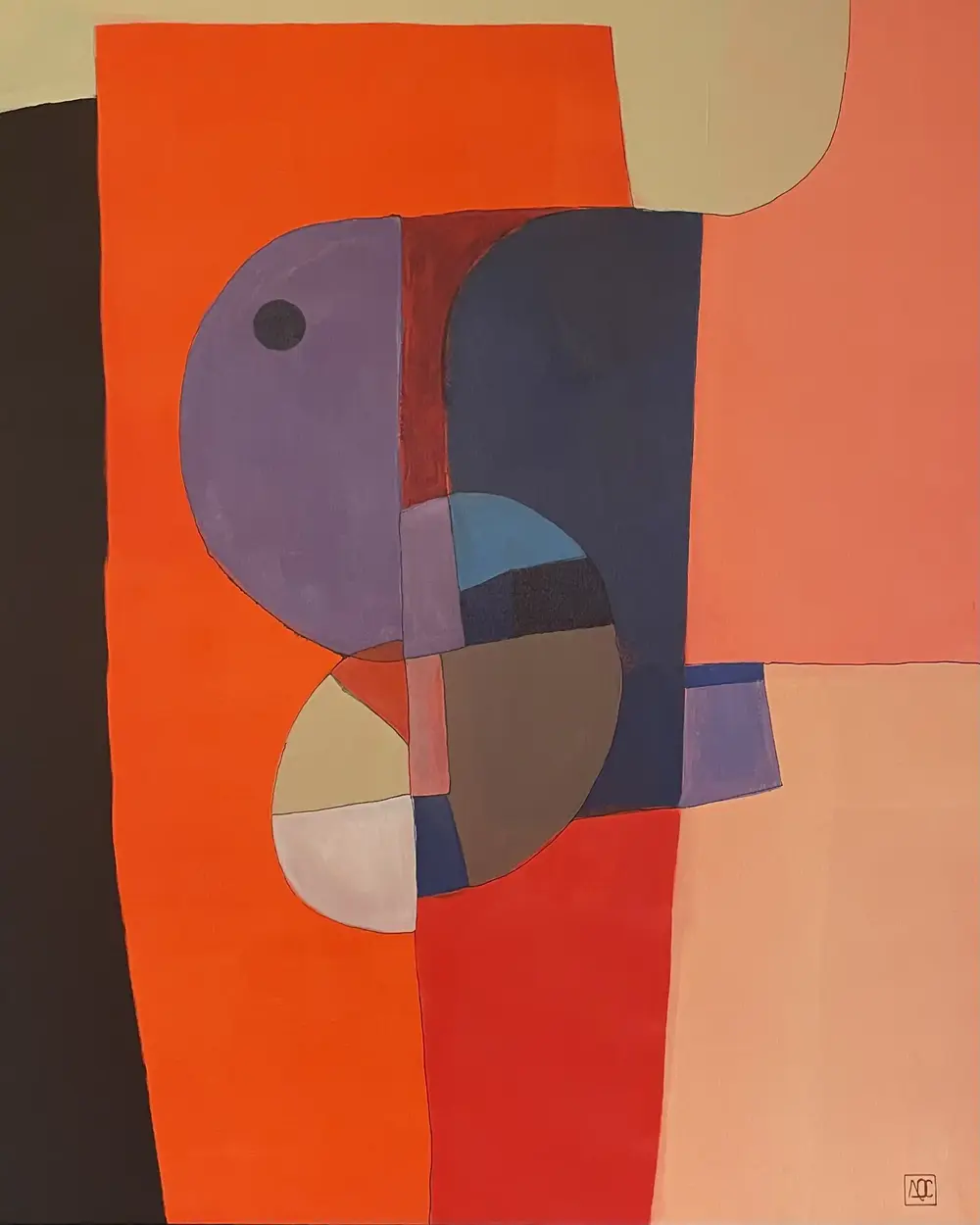
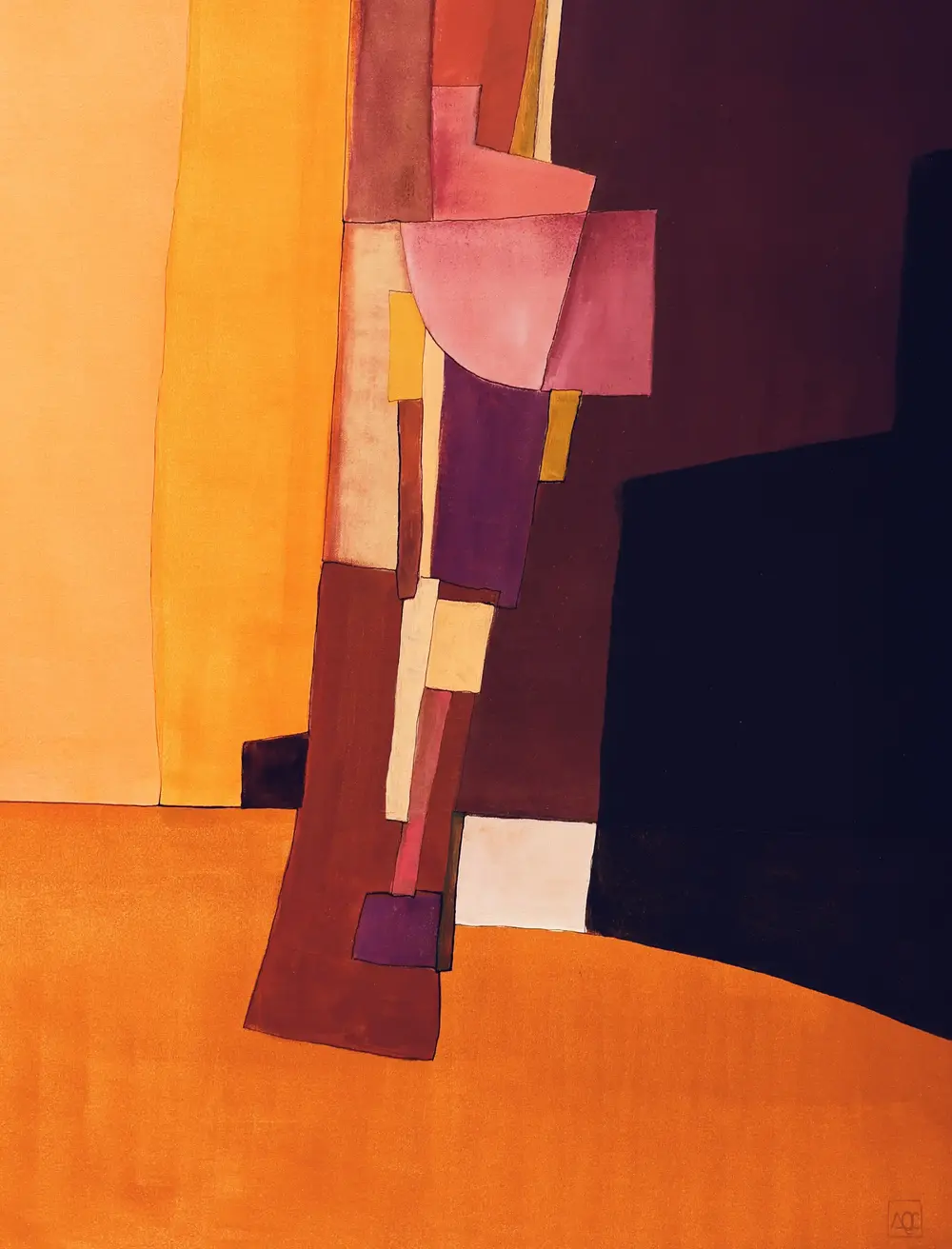
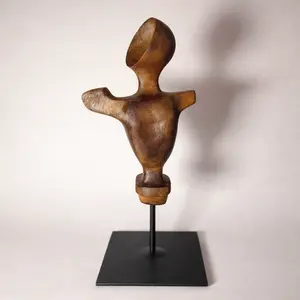
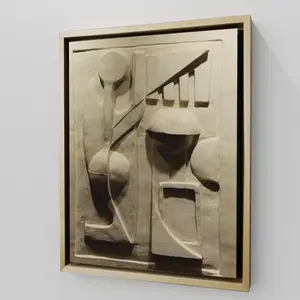
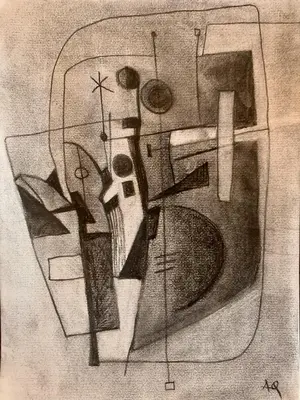
Explorations Synesthésiques est une collection de 417 œuvres réparties en 36 séries. 236 œuvres sont conservées dans des collections privées (Paris, France, Montreal, Canada, Istanbul, Turkey, Florida, USA, Sao Paulo, Brazil, et 57 autres) ; 168 restent disponibles à l’acquisition à Art Quam Anima, 28 rue du Dragon, Paris. Œuvres présentées lors de : Rencontres au Marché de la Création, Salon d'art contemporain – Metamorphose, Paris et Permanent Collection 2025 – Resonance in Form et 8 autres.
Excerpt: A visual art practice translating musical harmony into color and form, bridging auditory experience with chromatic expression through works inspired by composers from Rachmaninov to Miles Davis.
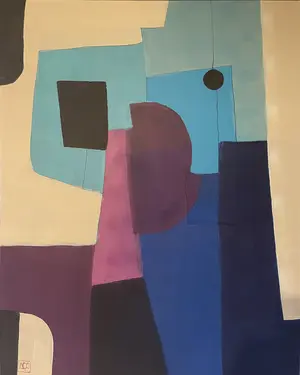
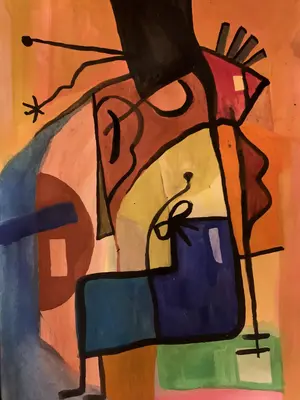
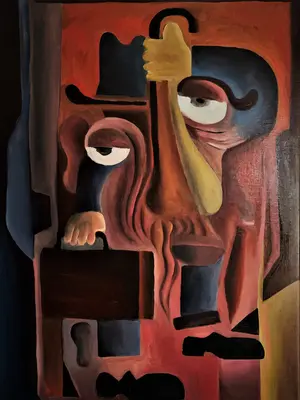
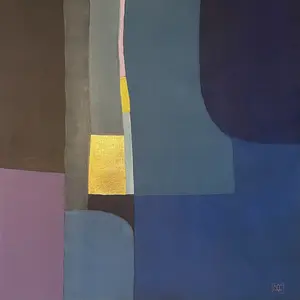
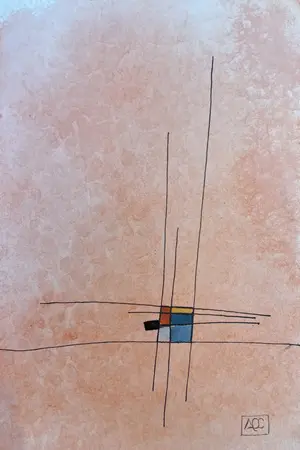
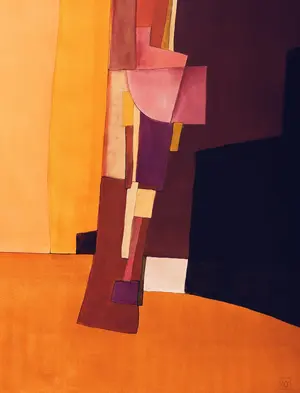
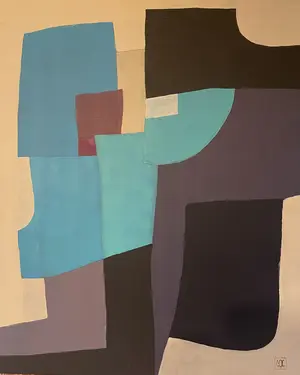
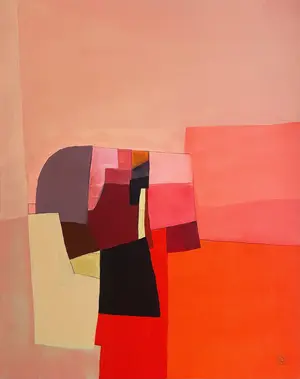
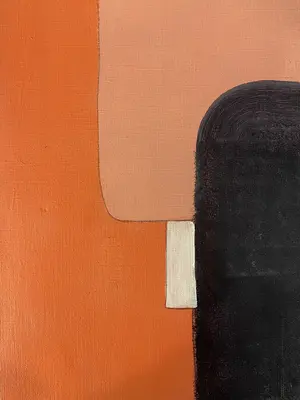
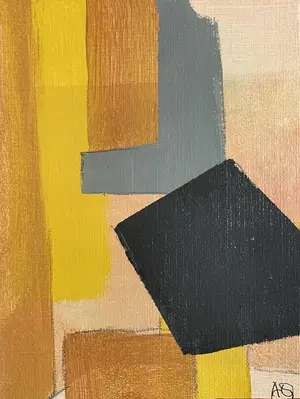
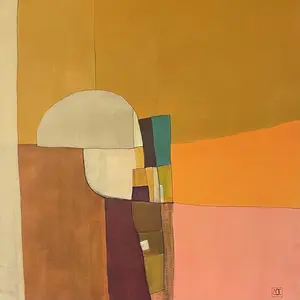
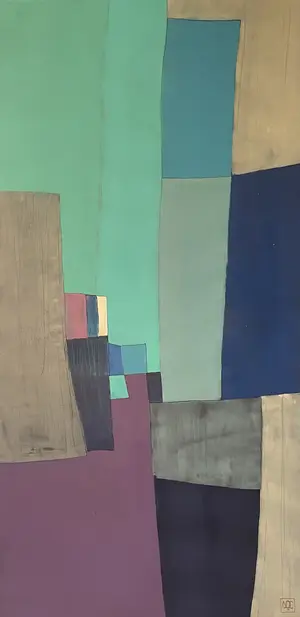
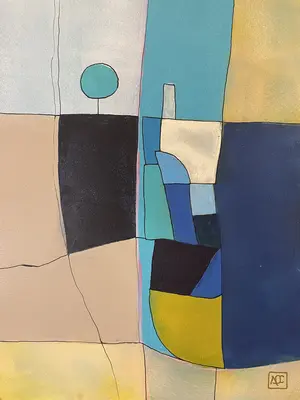
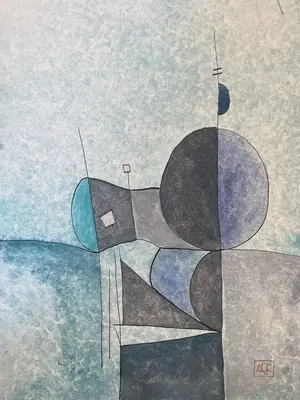
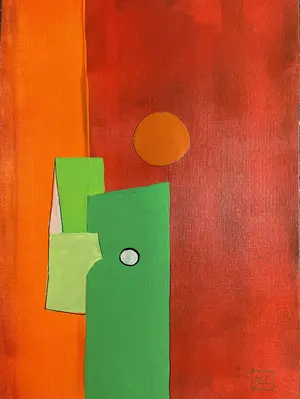
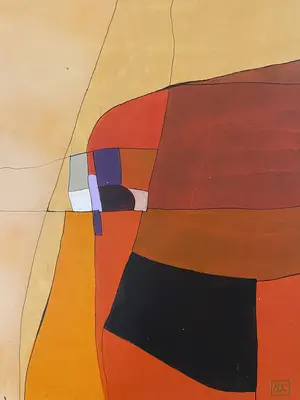
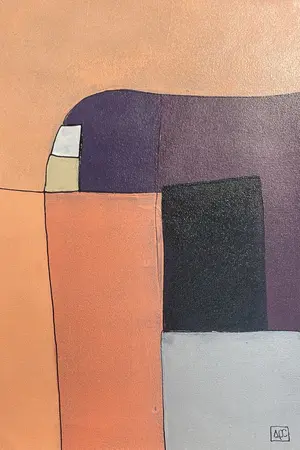
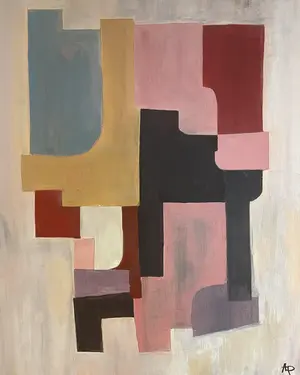
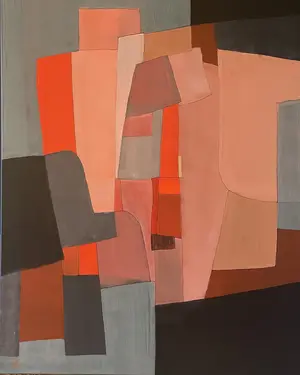
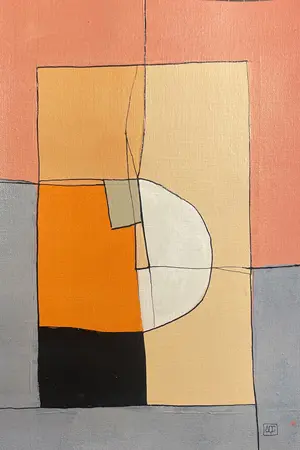
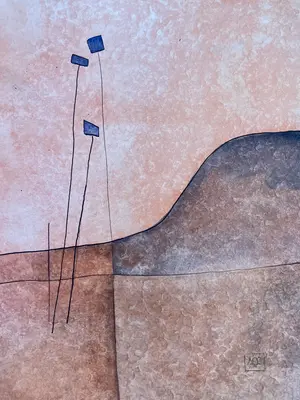
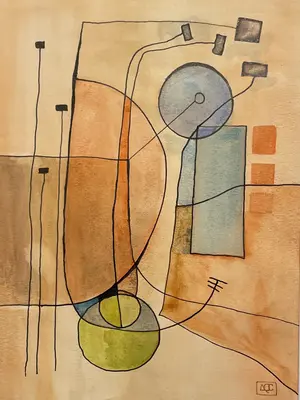
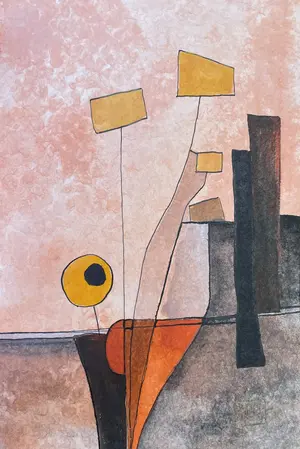
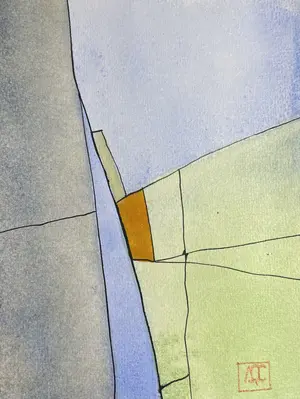
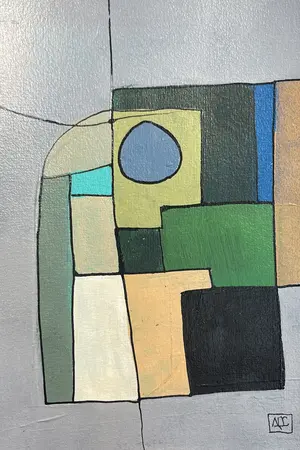
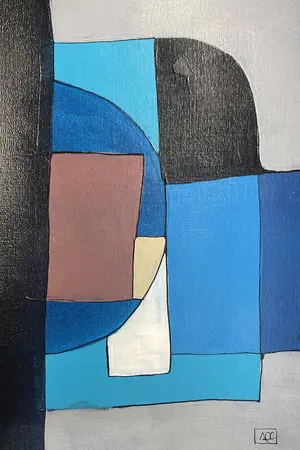
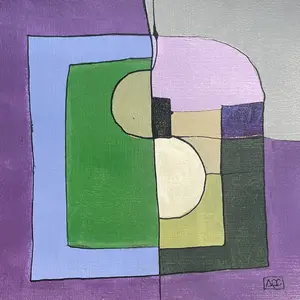
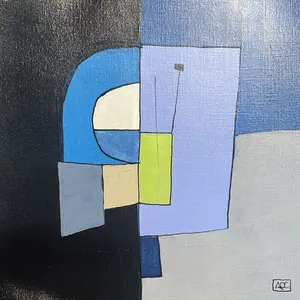
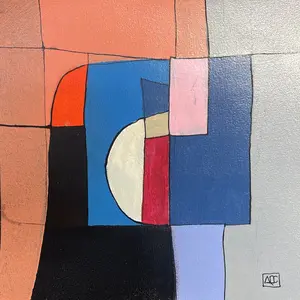
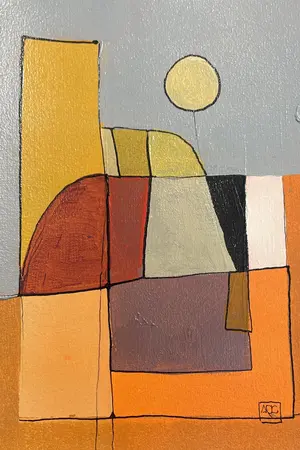
This question has followed me for years, and it sits at the heart of Synesthetic Explorations, a body of work in which sound becomes visible. Rather than illustrating music or following rigid color–tone correspondences, I try to translate what harmony does — its emotional pressure, its resonance, its physicality — into color, shape, and spatial tension.
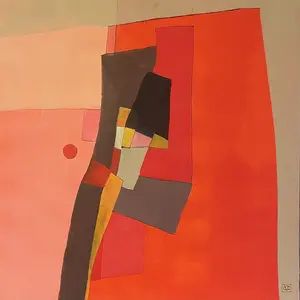
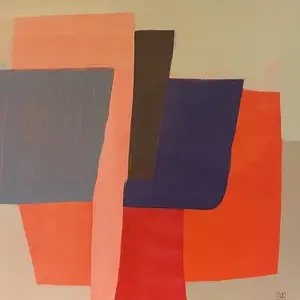
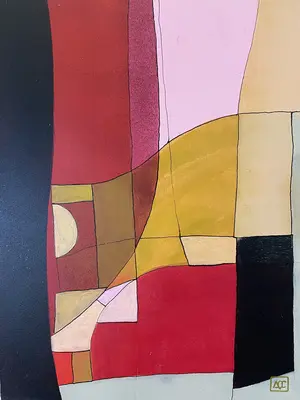
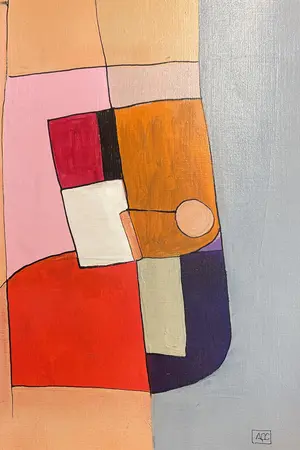
In the simplest structures, such as octaves, I find a profound sense of unity. A single pitch repeating across registers feels like a widening wave: complete, stable, yet expansive. In works inspired by Rachmaninov’s Prelude in C Major, this becomes a progression of reds building into a silent crescendo — layers of sound turning into layers of color.
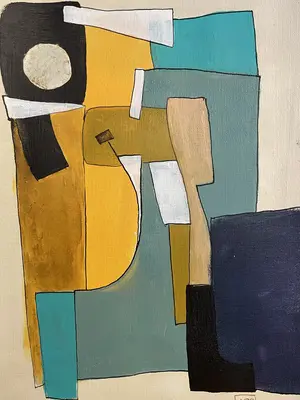
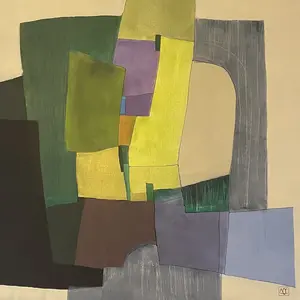
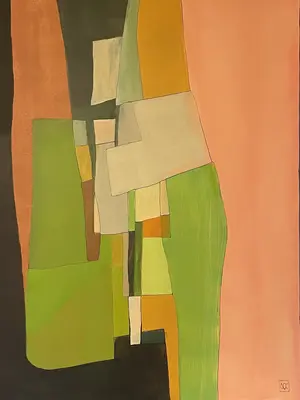
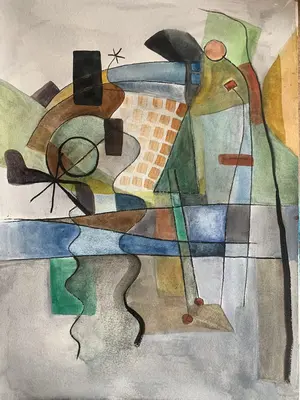
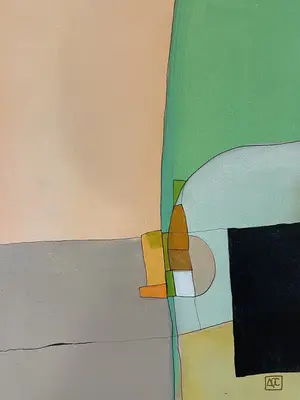
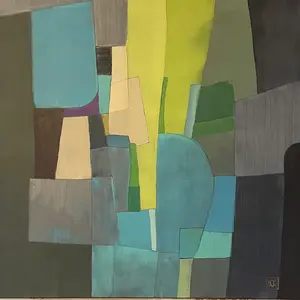
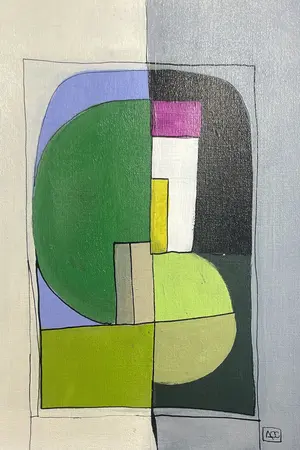
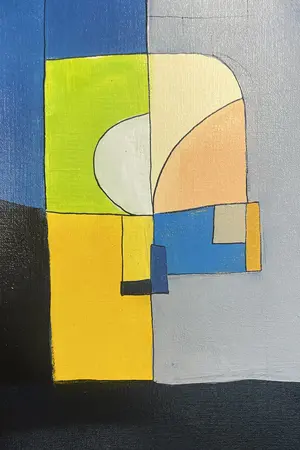
Jazz invites another kind of visual thinking. When I work with the introspective phrasing of Miles Davis, the palette shifts: green, yellow-orange, blue-green. These hues echo the emotional depth of F# minor, a key that hovers between melancholy and warmth. The shapes loosen, too — allowing improvisation, pauses, and surprises. Jazz, in paint, becomes a balance between structure and divergence.
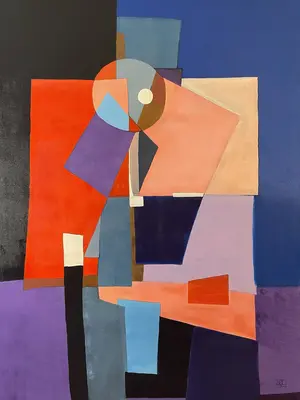
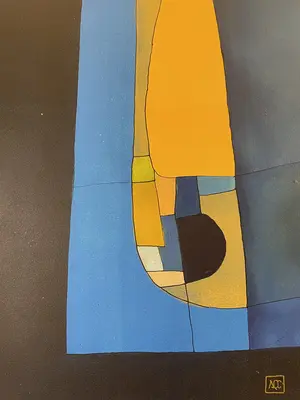
More formal pieces, such as those inspired by Chopin’s Polonaise in A-flat Major, call for bolder rhythms. Blues, reds, and purples pulse like the proud cadence of the polonaise — a visual architecture built from resonance and resolve. On the other side of the spectrum, the lyricism of Jerome Kern’s “All the Things You Are” lends itself to gentler transitions, where color behaves like memory: shifting, layered, and softly uncertain.
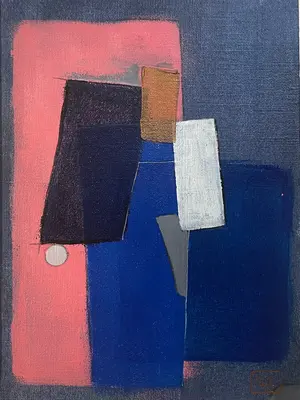
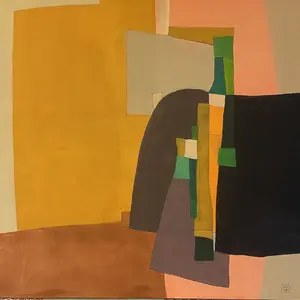
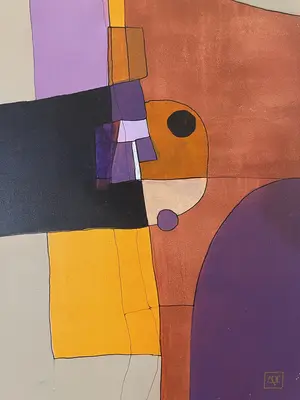
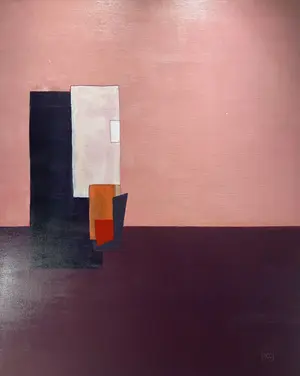
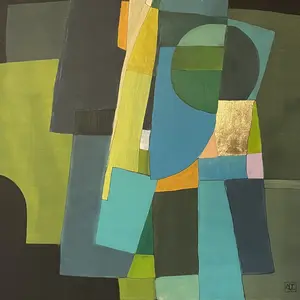
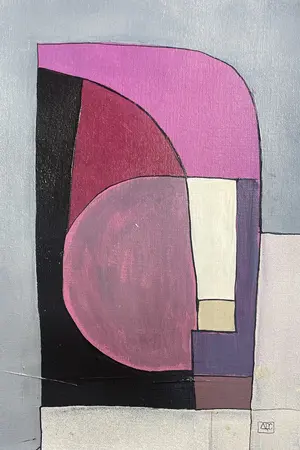
Certain keys carry an emotional gravity of their own. In works exploring F minor, drawn partly from Chopin’s concerto, I use deep red-purple and blue to express a quiet kind of sorrow — not dramatic, but contemplative, like a space where sound and silence hold equal meaning. And in pieces inspired by Bach’s Mass in B Minor, I let deep green, yellow, and orange form a kind of “visual mass” — a balance between sacred intensity and human fragility.
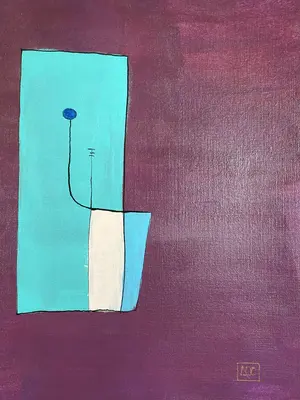
Across these explorations, color becomes another way of listening. The works suggest that harmony can be experienced through more than the ear — that each chord carries a visual presence waiting to be revealed. Ultimately, Synesthetic Explorations is an invitation: to see sound, to listen with the eyes, and to feel music in a new, chromatic language.
Related Terms
Chromesthesia
Color Music
Sound Visualization
Cross-Modal Perception
Tone Color
Search Keywords
synesthesia
synesthetic art
color music
chromesthesia
sound visualization
cross-modal perception
harmony
musical color
Rachmaninov
Chopin
Miles Davis
Bach
Jerome Kern
jazz painting
classical music art
octave
minor key
major key
canvas
rhythm
melody
improvisation
tone color
visual music
auditory-visual correspondence
polonaise
emotional texture
resonance
color theory
abstract expressionism
Arnaud Quercy est un artiste parisien dont la pratique traverse la peinture, la musique et la sculpture. Son travail est ancré dans l'Idéamorphisme — le principe selon lequel une œuvre d'art ne porte pas de sens, mais le déclenche. Chaque pièce est conçue pour diffracter différemment à travers chaque personne qui la rencontre.
Il crée et expose à Art Quam Anima, sa galerie-atelier au 28 rue du Dragon, Saint-Germain-des-Prés, Paris.
Séries — Explorations Synesthésiques
Hors série
Explorer d’autres techniques