Synesthetic Explorations
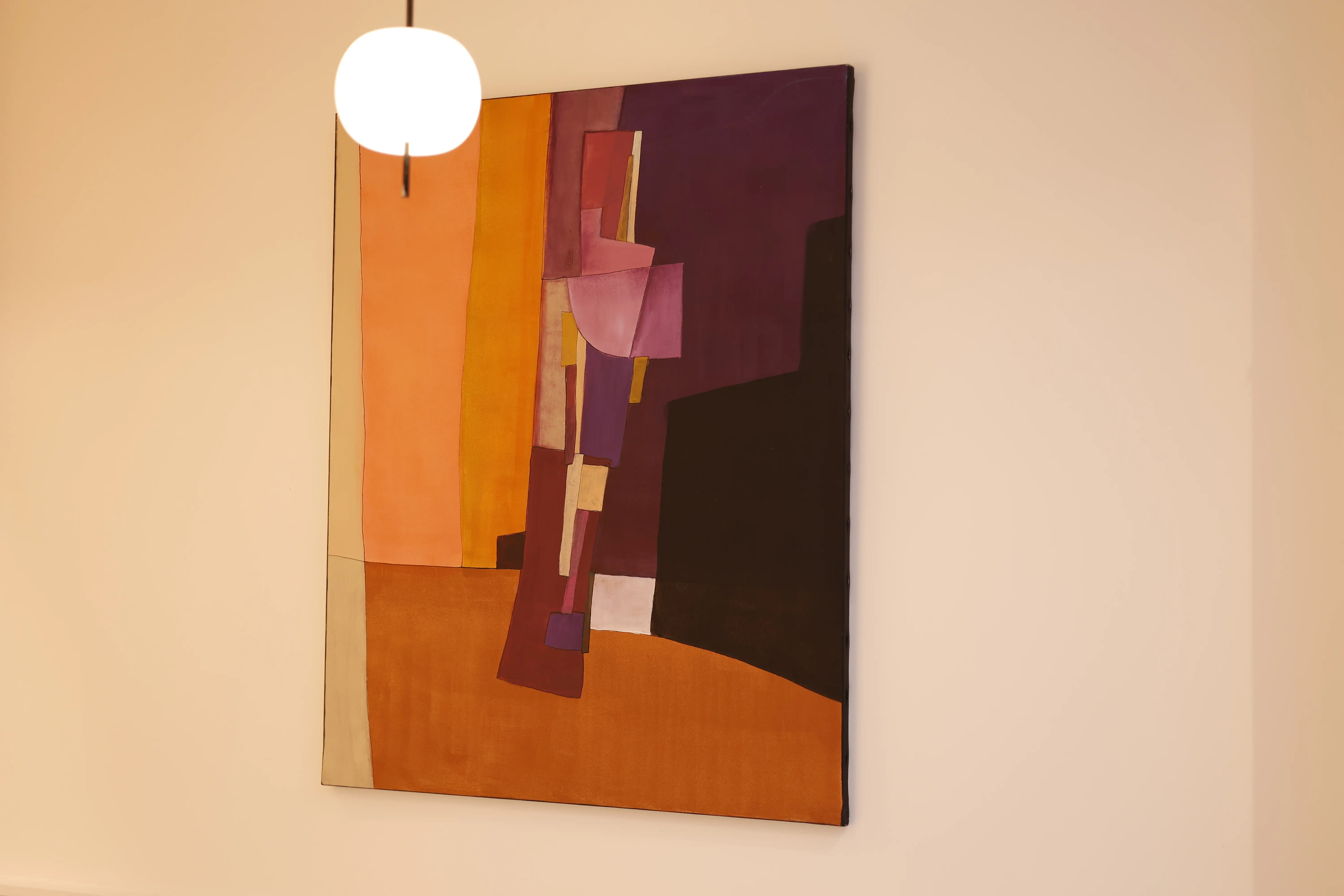
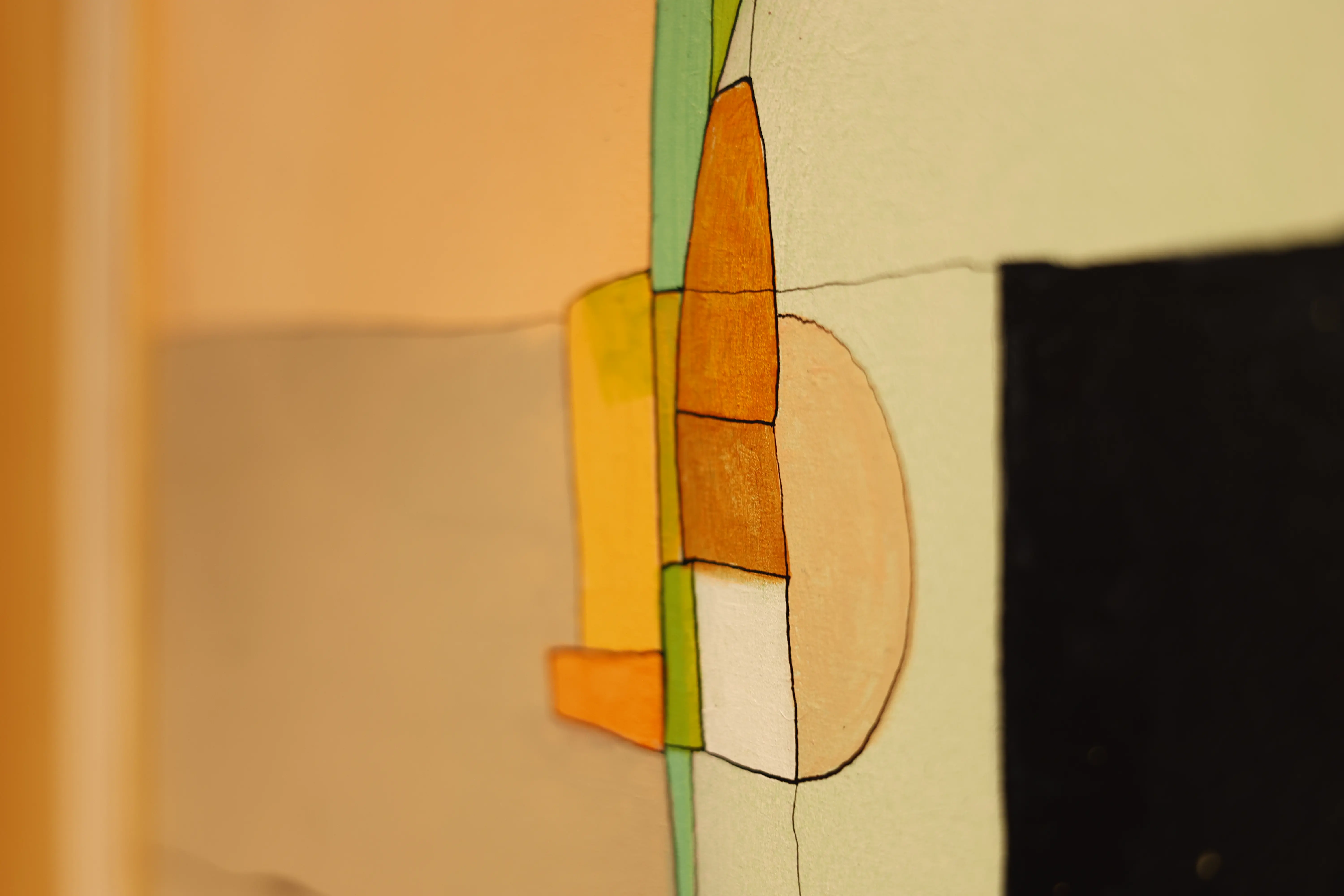
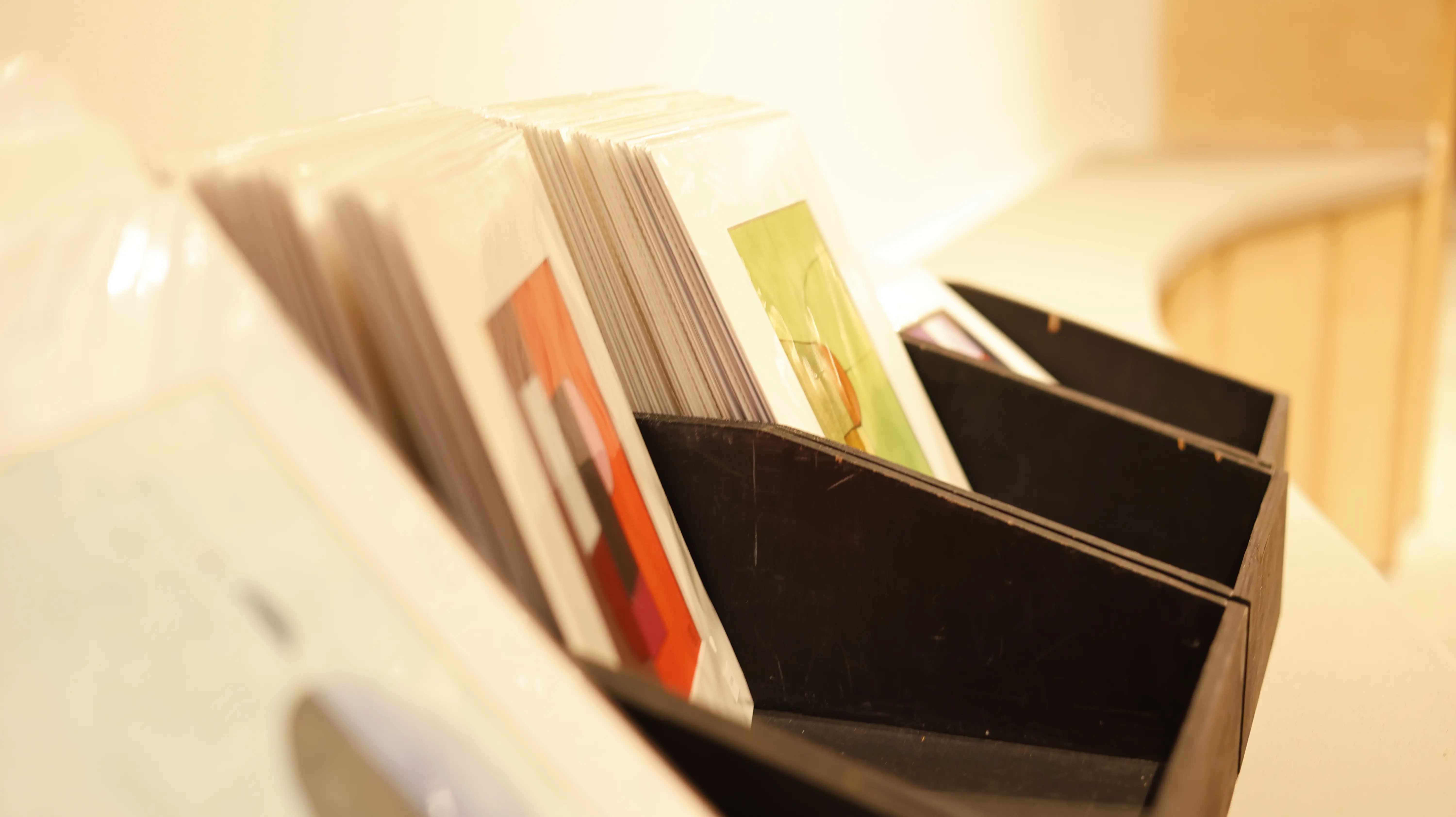
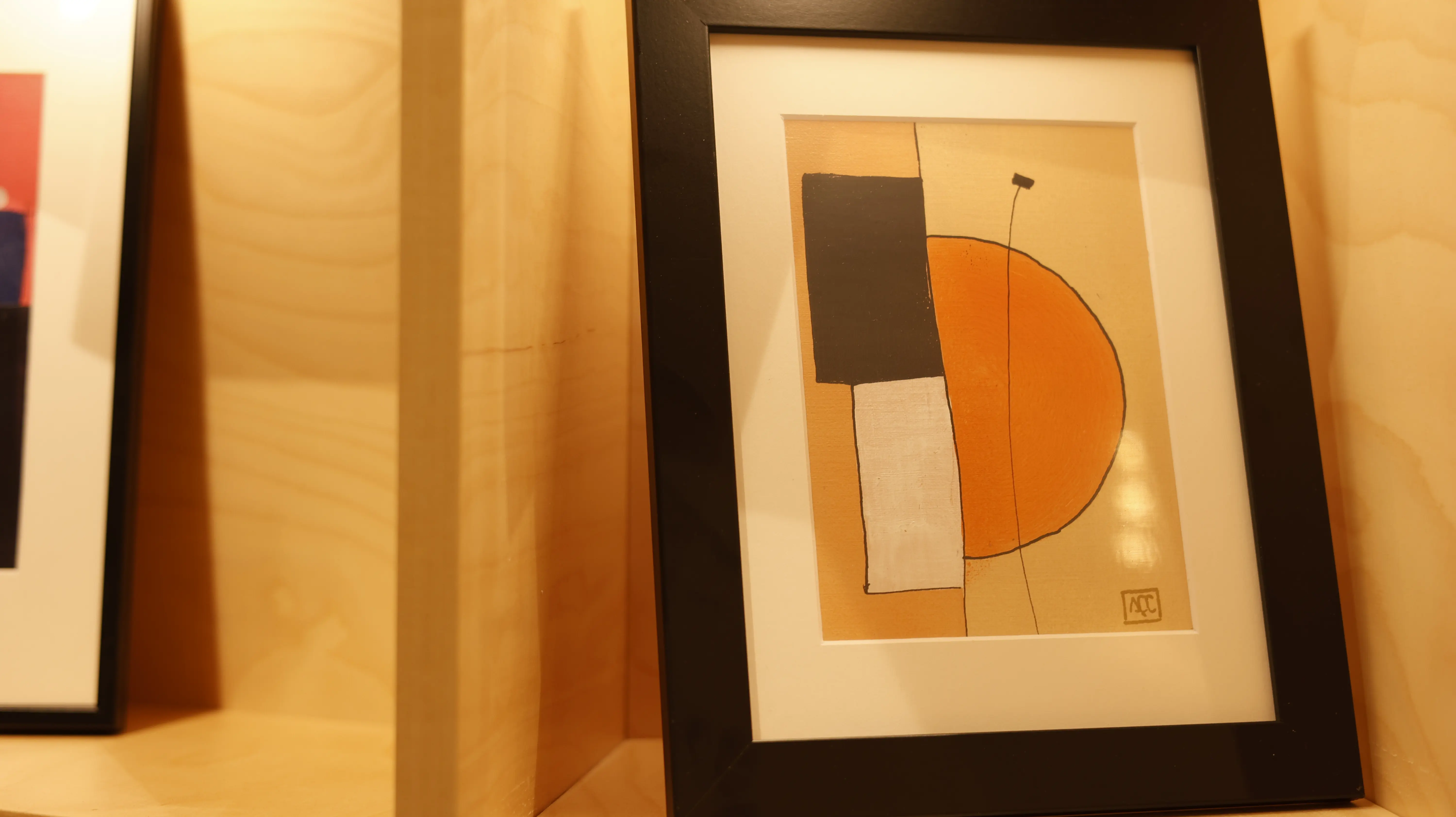
Synesthetic Explorations - Arnaud Quercy
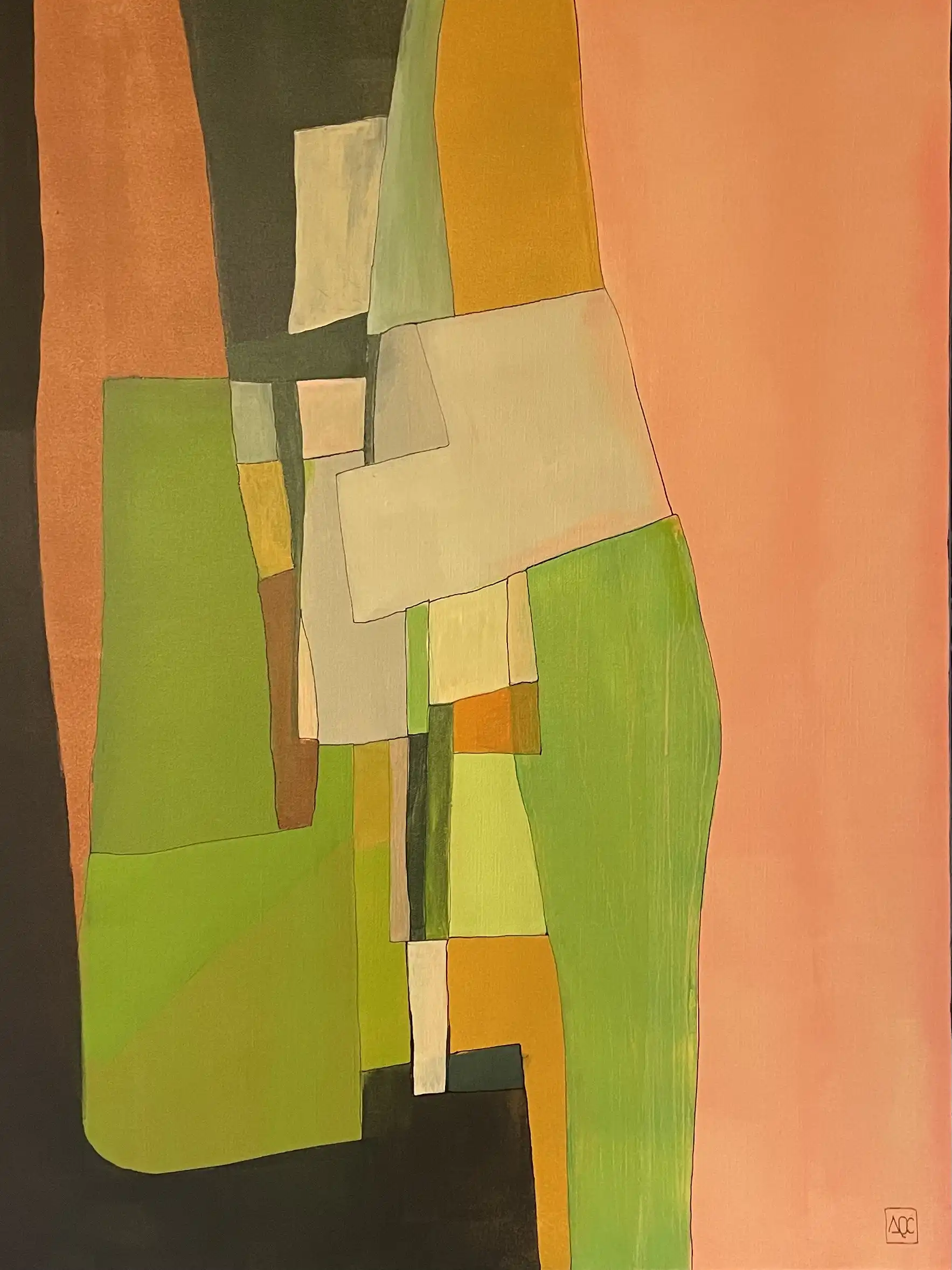
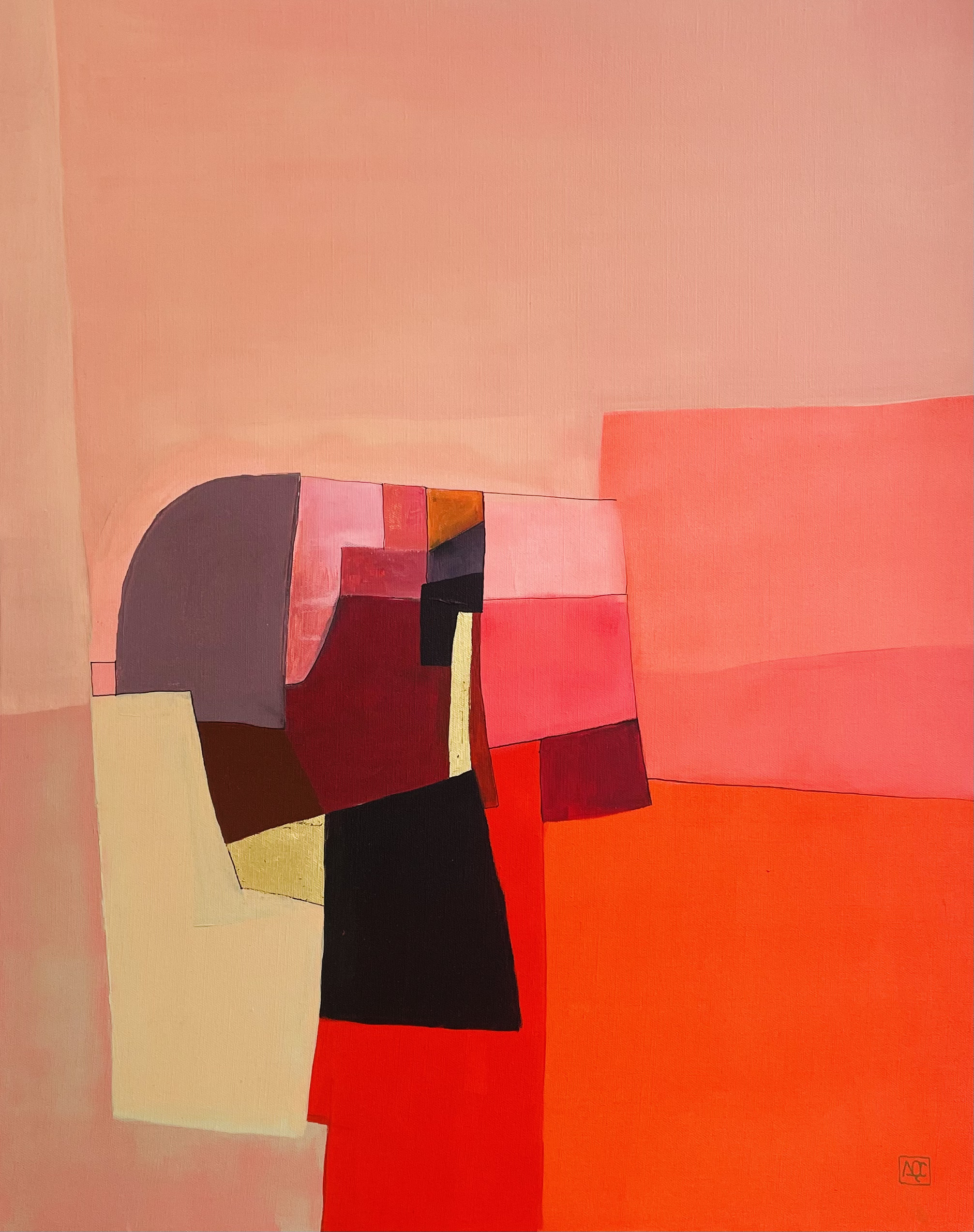
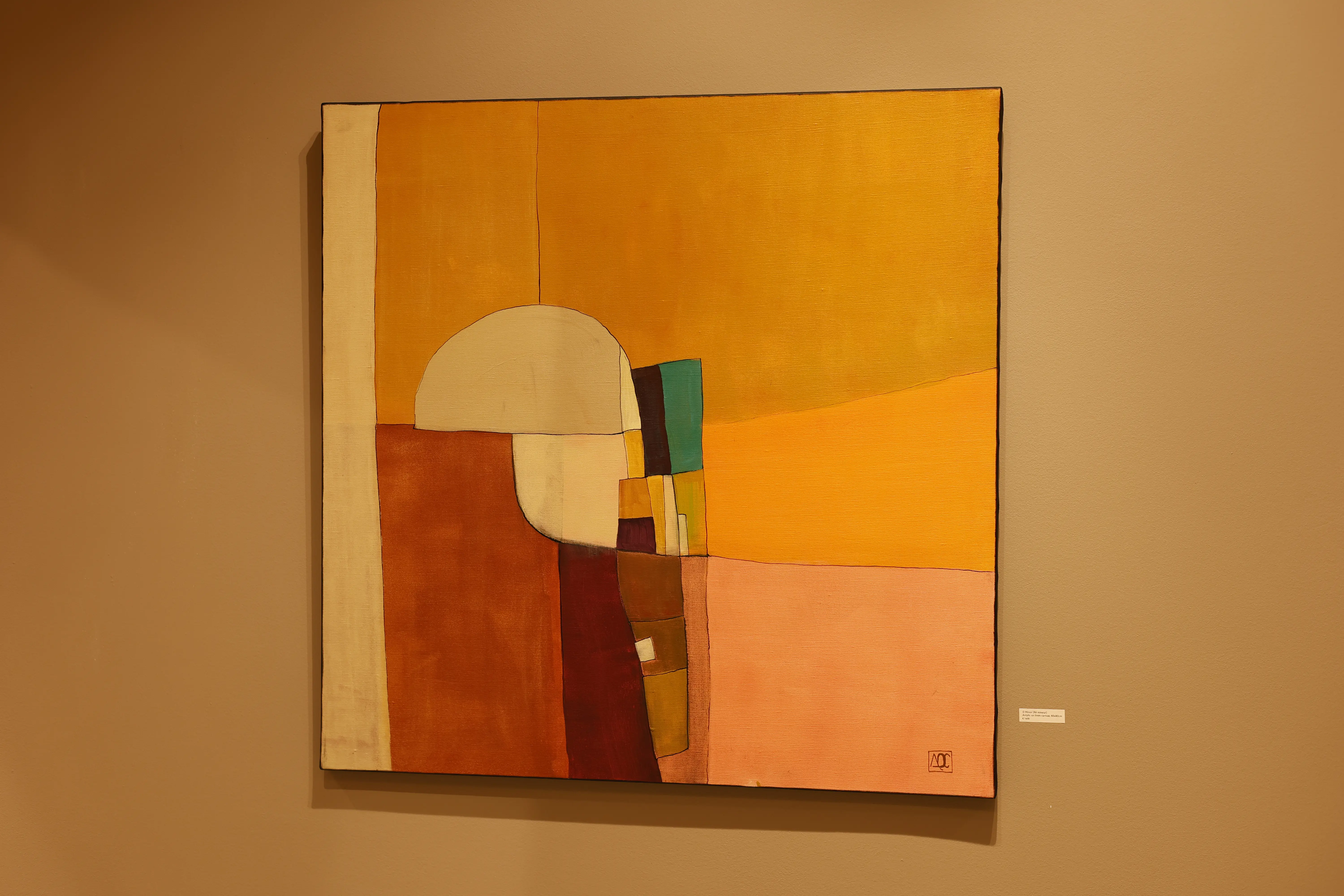
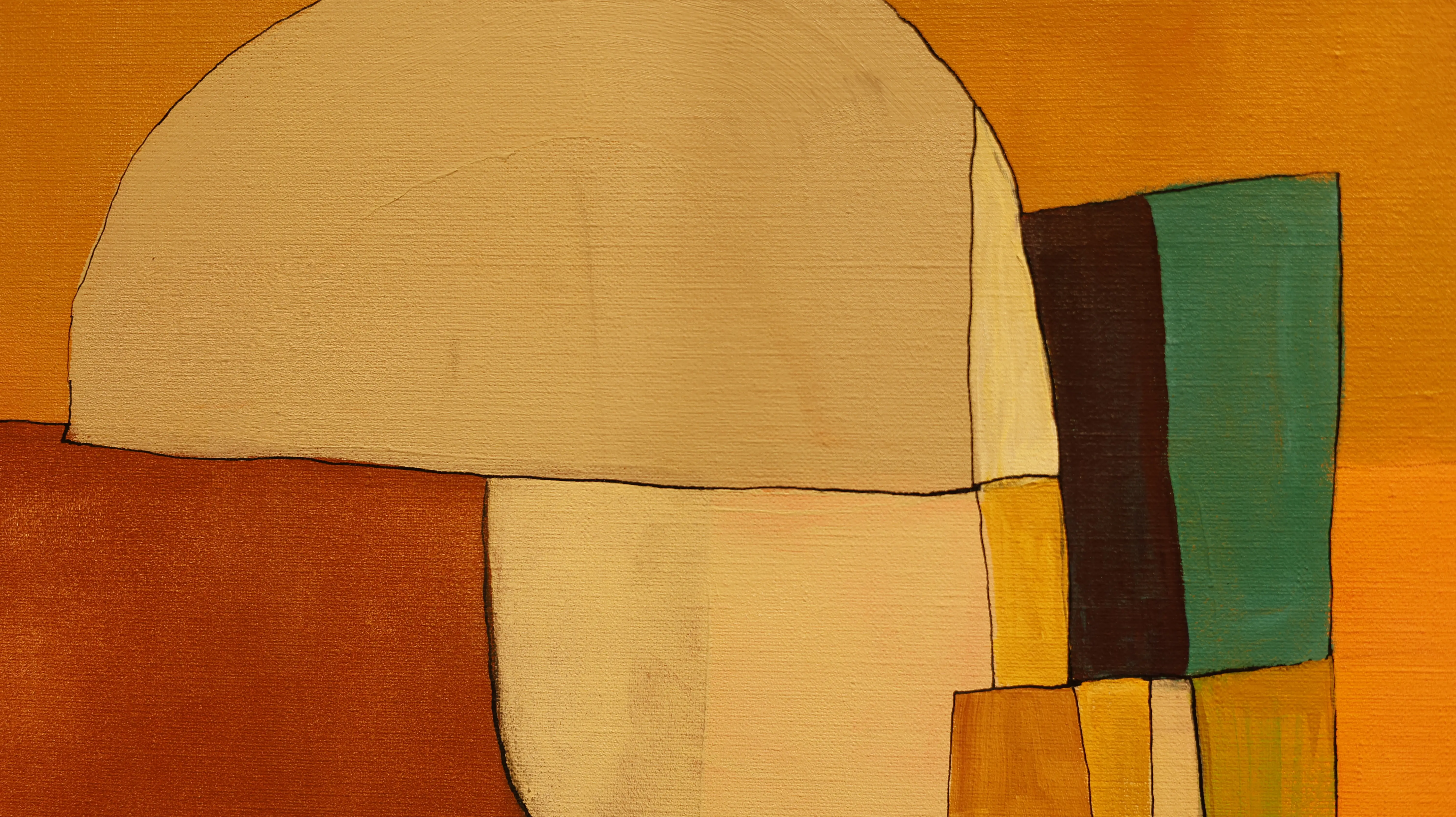
Nearly two hundred paintings translating musical harmony into visual composition. Each work begins at the piano — playing triads, exploring voicings, listening to how chords open across registers — and ends on paper or canvas, where the harmonic structure reappears as color, form, and spatial arrangement.
I experience chromesthetic synesthesia. When I play a pitch, I see a color. The colors in these paintings are not chosen. They are heard.
The Codex
The chromesthetic mapping follows the circle of fifths. Each of the twelve pitch classes maps to a position on the color wheel:
C is red. G is red-orange. D is orange. A is yellow-orange. E is yellow. B is yellow-green. F# is green. C# is blue-green. Ab is blue. Eb is blue-violet. Bb is violet. F is red-violet.
A triad — three pitches sounded together — produces three colors. A minor (A–C–E): yellow-orange, red, yellow. Bb Major (Bb–D–F): violet, orange, red-violet. F# Major (F#–A#–C#): green, violet, blue-green. Each key has its own chromatic identity.
Register translates to value: lower octaves darker, higher octaves brighter. The hue stays constant — the pitch class is the same — but luminosity shifts with the octave.
This is the codex: not a description of what I perceive, but a system built from what I perceive. The perception is the starting material. The architecture is the game.
The Practice
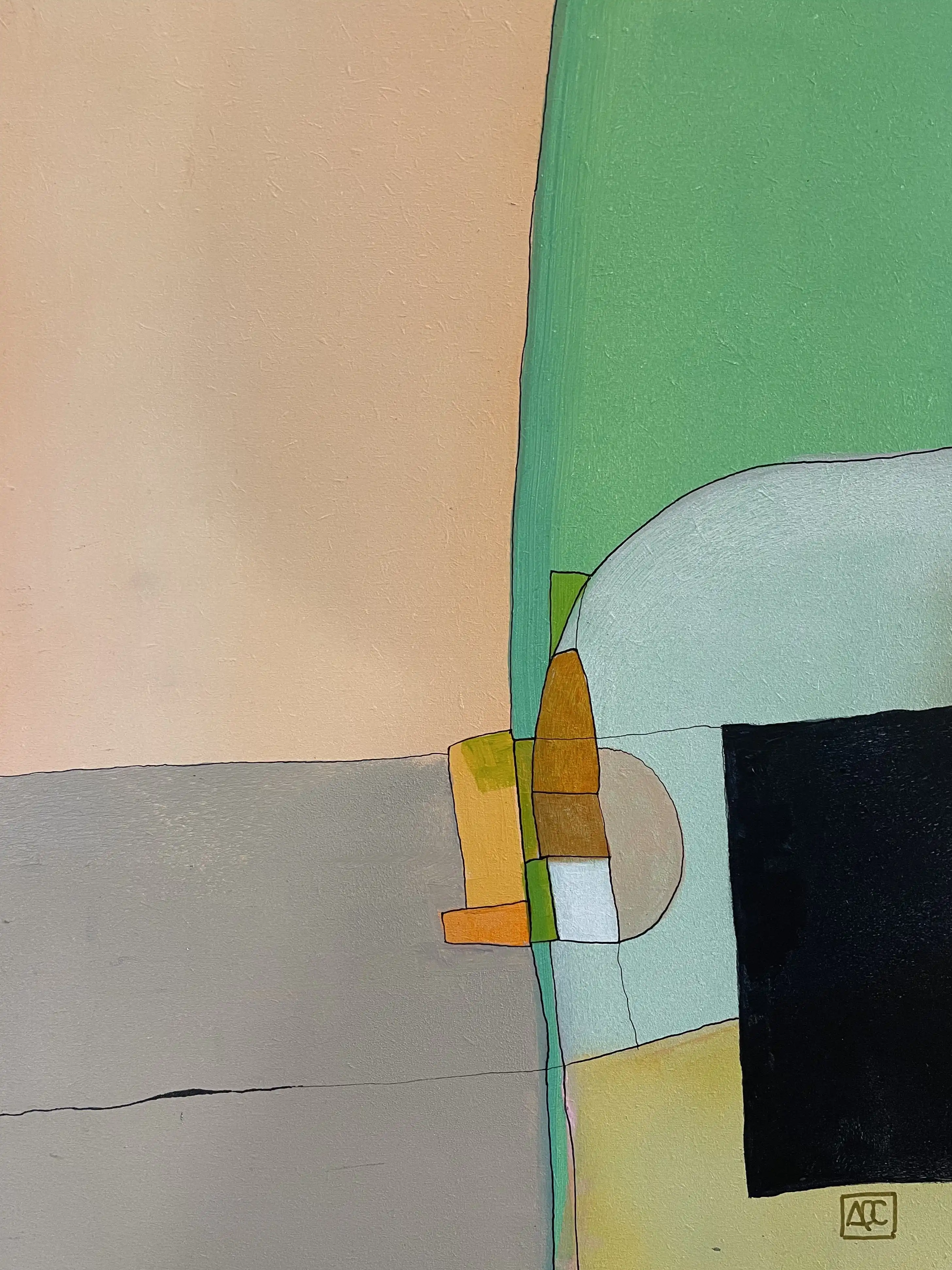
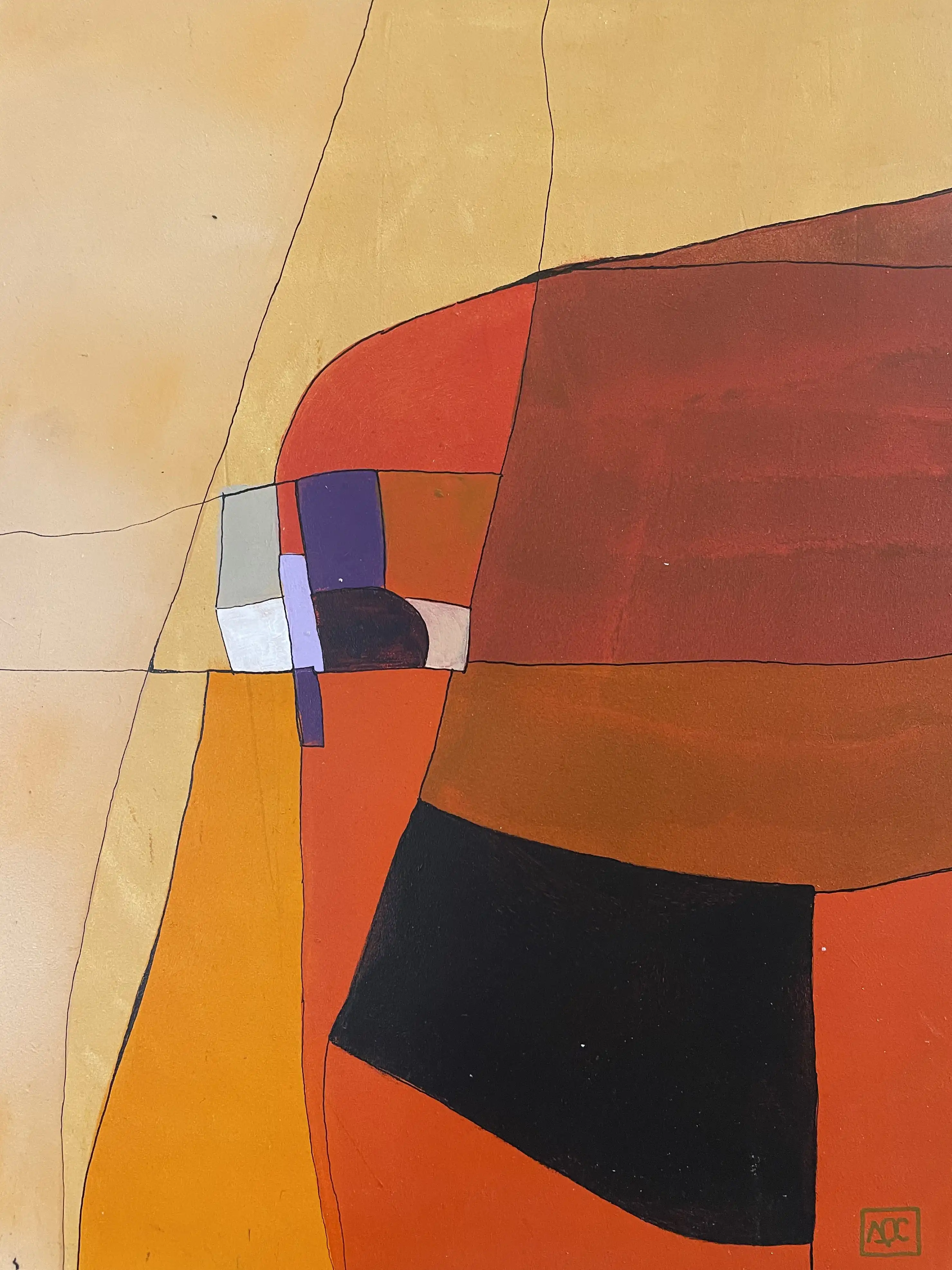
Most of these paintings are études — visual equivalents of daily piano practice. Small works on paper, 10 × 15 cm to 21 × 30 cm, watercolor or acrylic. Each one translates a single triad in a specific voicing. I work through all twelve semitones across major and minor keys, exploring how the same chord transforms visually when voiced differently.
These are exercises, not grand statements. Just as a pianist's daily practice builds understanding through sustained engagement with limited material, each étude isolates one harmonic question and works it through. A single G minor study tells you something modest. Two hundred studies across all keys reveal a chromatic world.
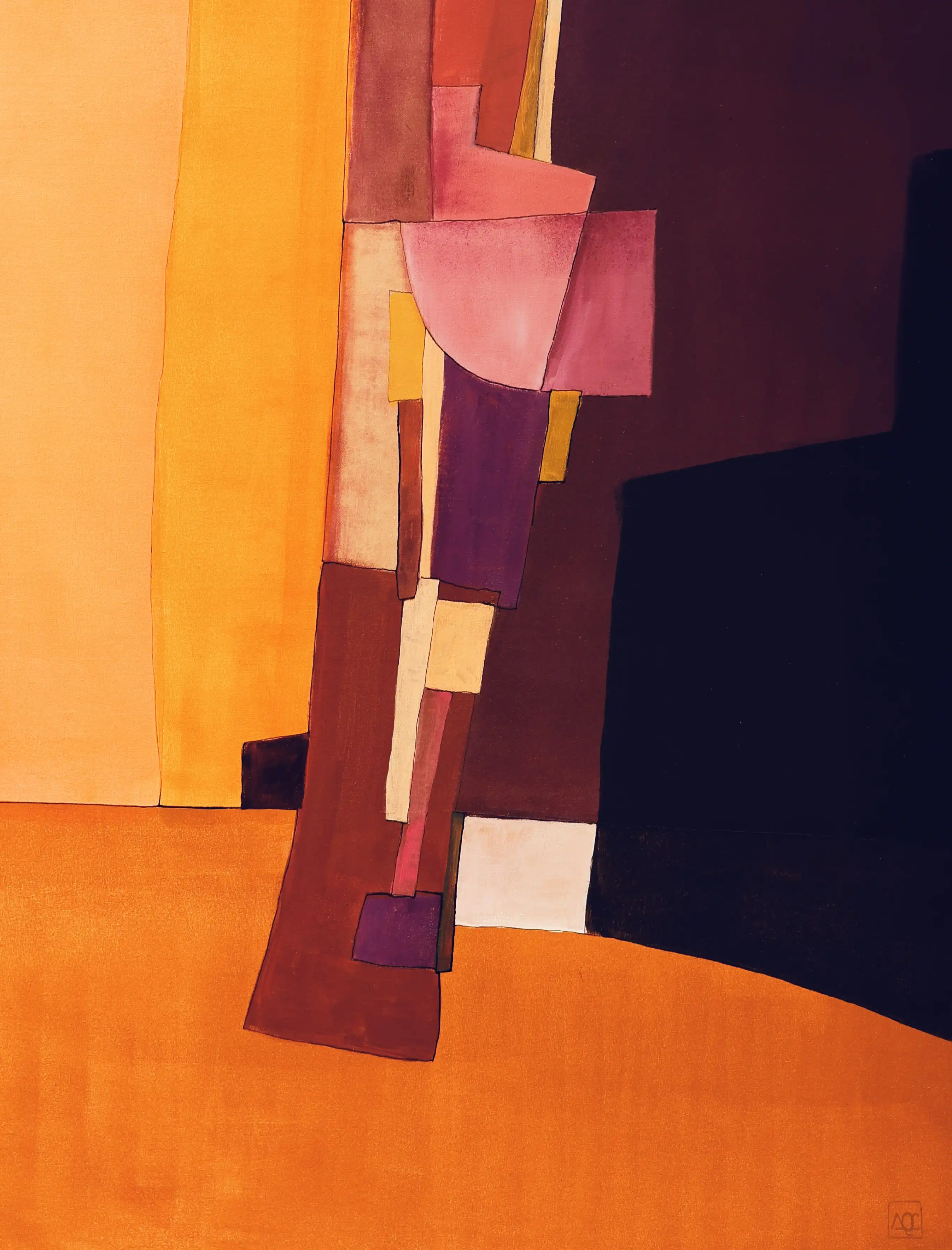
The spread voicing anchors the composition. At the piano, it distributes three tones across registers — the chord opens, each note breathes. On paper, three color areas separate across the picture plane, spatial distance reflecting registral distance. The ground between them is the silence that lets the voicing breathe.
Sub-Series
Research on Harmony — the core. Systematic triadic studies across all keys, multiple variations per key. Strict naming: "G Minor - Research on Harmony - Variation 3." Each painting is one data point in an ongoing investigation.
Reflexions — geometric abstraction isolating intervallic relationships. Octave spans and register mapping within a single pitch class. Discrete color planes with hard edges. Aligns with Concrete Art principles: systematic, rule-based abstraction derived from structural logic.
Musical Sources
Some paintings are pure harmonic studies — the triad as abstract material. Others draw on specific compositions.
Bach's Well-Tempered Clavier appears throughout. The Prelude and Fugue in F# Major (BWV 858) lends its luminous character; the Violin Concerto No. 1 in A minor (BWV 1041) provides structural inspiration — dense sixteenth-note passages becoming compressed geometric clusters, sparser textures opening into broad color fields.
Chopin's Nocturne in B Major (Op. 32 No. 1) — the deep bass anchoring the lowest register in dark yellow-green, arpeggios spreading the triad through the middle range, melody entering high and bright. Gentle surface, rigorous structure underneath.
Jazz harmony brings another dimension. The Bb Major paintings draw on rhythm changes — Gershwin's "I Got Rhythm" — and the bridge's cycle of dominant sevenths (D7–G7–C7–F7) produces a chromatic descent from orange through red-orange and red into red-violet, narrowing toward Bb's violet.
Scale and Support
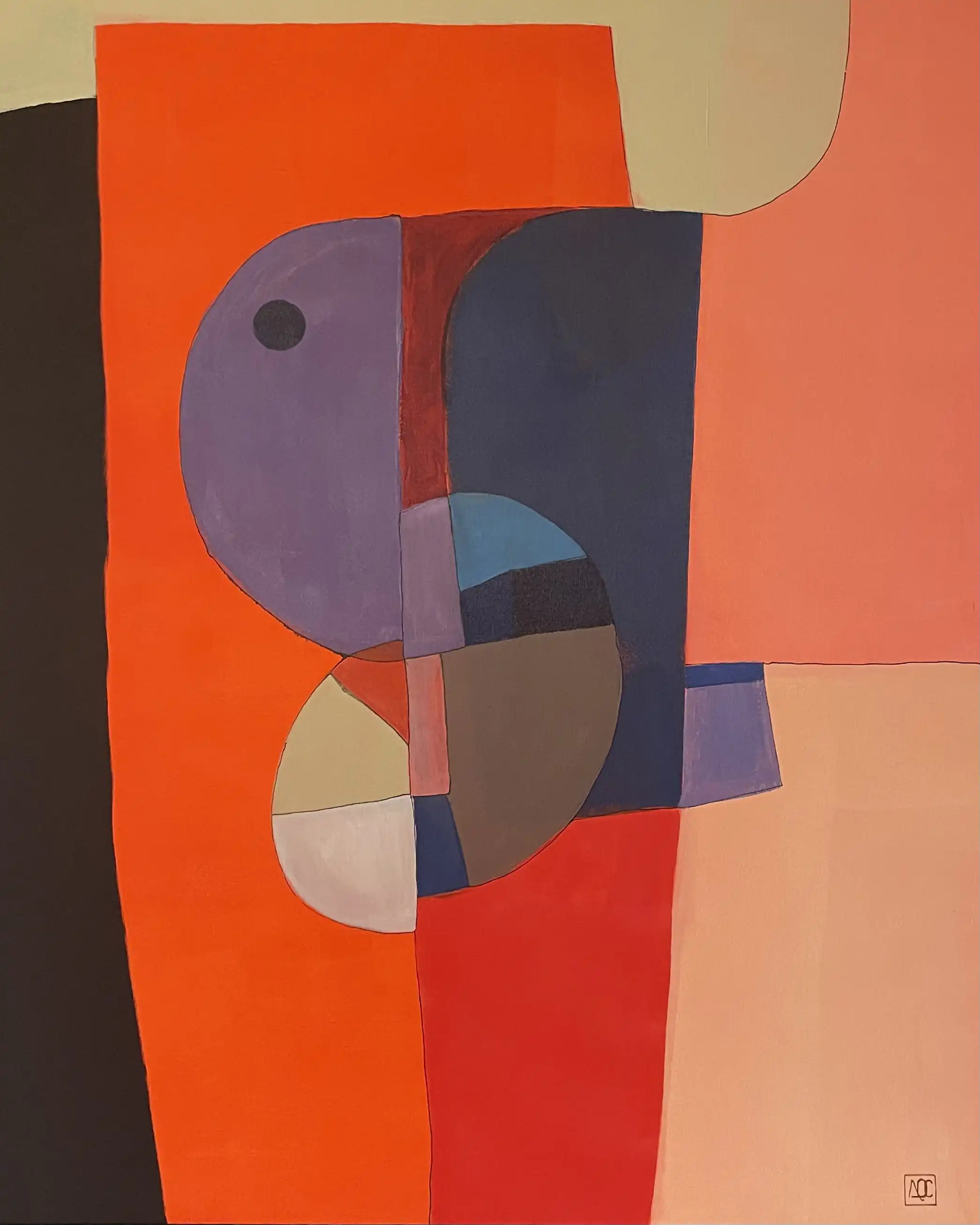
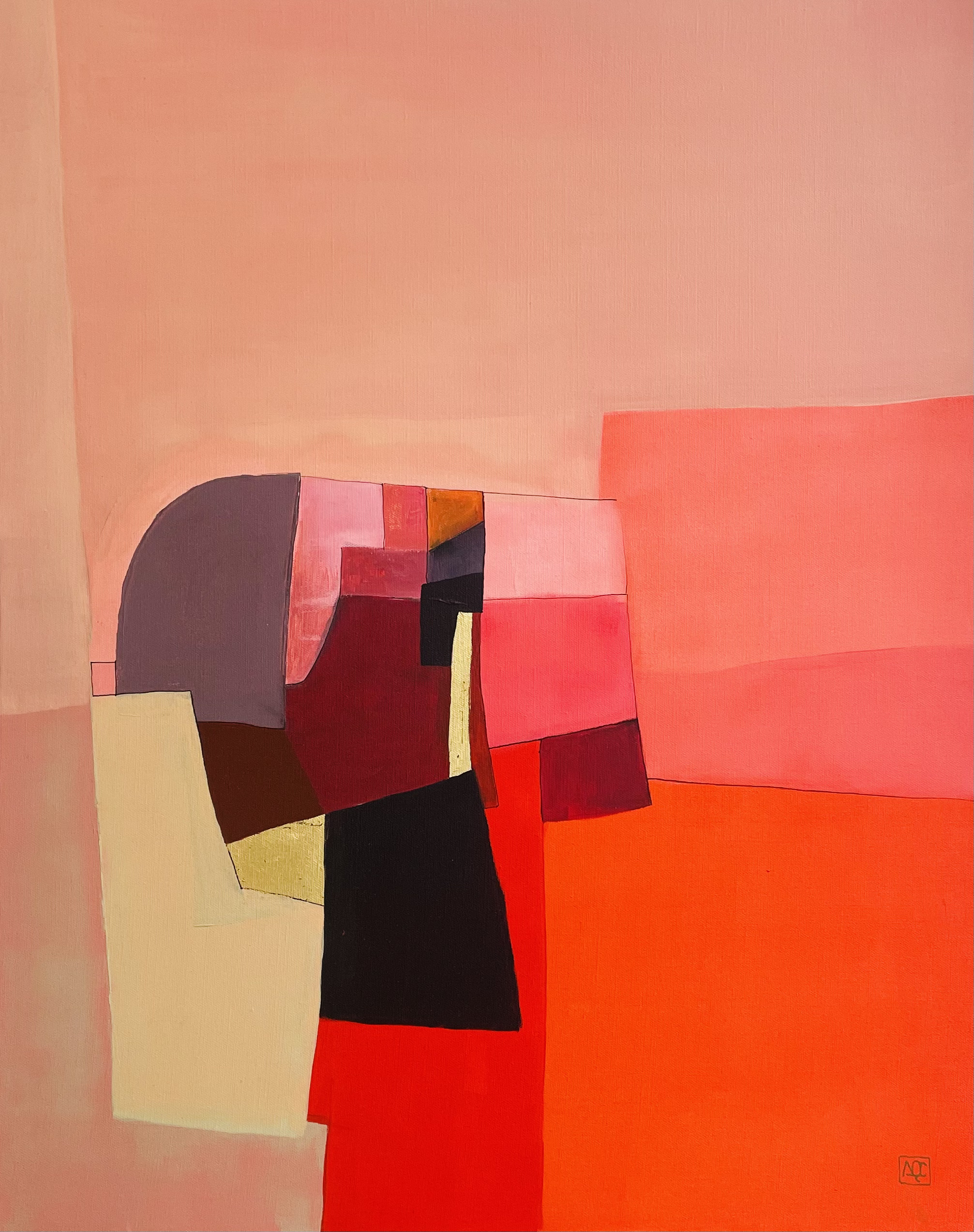
Small paper études at one end: intimate, quick, essential. Large-format linen canvases (up to 81 × 100 cm) at the other, engaging complex harmonic material at scale. The choice corresponds to the richness of the source. A simple triad study belongs on paper. Rhythm changes with a complete AABA form need room. Wood panel, paper, linen — each support carries its own material intelligence.
Positioning
Artists and composers have long sought systematic relationships between color and sound. Scriabin mapped keys to colors for his Prometheus (1910), though researchers question whether his system was perceptual or philosophical. Kandinsky pursued expressive correspondences in Concerning the Spiritual in Art (1911). Klee translated Bach's contrapuntal logic into "polyphonic painting" at the Bauhaus. Messiaen, a documented synesthete, composed directly from the color visions evoked by his modes of limited transposition. In painting, the Synchromists — Russell and Macdonald-Wright — linked the twelve hues to the twelve scale steps through Tudor-Hart's color theory.
What distinguishes this collection is not just that the chromesthetic correspondences are documented rather than theorized. The deeper distinction is architectural. These precedents treated color-sound relationships as expressive resources — material to compose with. This collection treats them as a codex: a rule-based architecture for transliterating harmonic structure into visual form. A game with defined inputs, constraints, and play.
The geometric vocabulary — discrete planes, hard edges, systematic organization — connects to Concrete Art. The paintings do not represent music. They translate it, preserving structural invariants across the boundary between audition and vision.
The broader framework is ideamorphism — the practice of induced diffraction. Each painting is a game designed for a specific aperture: the visual cortex receiving sound structure. The codex makes the translation possible. The collection is the proof of concept.
Research
Each painting generates multiple research claims documented as nanopublications — individually searchable semantic units processed into vector databases for proximity analysis. The documentation infrastructure is actively being built, though not yet released publicly. As the collection grows, the dataset deepens.
What the Collection Is
Piano studies made visible. A daily practice of listening and translating.
The work does not illustrate music. It translates harmonic structure into visual structure — chord tones as colors, registral hierarchy as luminosity, voicing distribution as spatial composition. The loss in that translation — the inevitable gap between what is heard and what is seen — is where the paintings live. They are not the music. They are what remains after the music passes through.
Nearly two hundred paintings. All twelve semitones. Major and minor keys. Spread voicings, close voicings, octave spans. Bach, Chopin, jazz standards, and the pure abstract material of the triad itself. Each one a small act of translation. Together, a chromatic world heard into existence.
© 2026 Arnaud Quercy
Documentation published by Art Quam Anima Publishing New York, LLC
Artwork presented by Art Quam Anima, 28 rue du Dragon, Paris
All rights reserved. Reproduction prohibited without written permission.
https://artquamanima.com/en/collections/2025/01/synesthetic-explorations-cpj.html
Related Terms
Chromesthesia
Color Music
Sound Visualization
Cross-Modal Perception
Tone Color